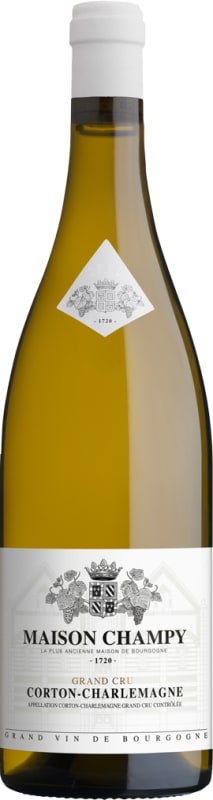


Winemaker Notes
This wine is a beautiful white-gold yellow with golden reflections. It is beautifully concentrated, with a nose dominated by very ripe white-fleshed fruits and vanilla. The bouquet is completed by notes of citrus, oriental spices like cinnamon and coriander, and white flowers such as honeysuckle. The palate is round and oily, with a fresh and mineral finish that is long and persistent. This wine pairs perfectly with delicate dishes such as a scallop carpaccio with vanilla, tempura lobster with orange butter, a monkfish tagine, roast turbot or Saint-Pierre, and cheeses like Brillat-Savarin, Chaource, or Vacherin.
Professional Ratings
-
James Suckling
Stand back as the bullet train of white Burgundy arrives. Gigantic enegry and tension, plus no less extraordinary Amalfi lemon, lime and yuzu character. Delicate oaky touch. Mind-blowing concentration and mineral freshness on the extremely focused, sleek, medium-bodied palate. Super-racy and stony finish. From two parcels on the west-facing side of this site, where the harvest has to be late to achieve full ripeness, even with climate change. Drinkable now, but best from 2026.
-
Wine Spectator
Rich and fleshy, this white evokes peach, pear and stony, mineral flavors framed by baking spices. Evolves across the palate, building in intensity to the long, lemon- and spice-infused aftertaste, which carries a distinctive chalky feel.


One of the most popular and versatile white wine grapes, Chardonnay offers a wide range of flavors and styles depending on where it is grown and how it is made. While it tends to flourish in most environments, Chardonnay from its Burgundian homeland produces some of the most remarkable and longest lived examples. California produces both oaky, buttery styles and leaner, European-inspired wines. Somm Secret—The Burgundian subregion of Chablis, while typically using older oak barrels, produces a bright style similar to the unoaked style. Anyone who doesn't like oaky Chardonnay would likely enjoy Chablis.

Prevailing over the charming village of Aloxe, the hill of Corton actually commands the entire appellation. Corton is the only Grand Cru for Pinot Noir in the entire Côte de Beaune. Its Grand Crus red wines can be described simply as “Corton” or Corton hyphenated with other names. These vineyards cover the southeast face of the hill of Corton where soils are rich in red chalk, clay and marl.
Dense and austere when young, the best Corton Pinot Noir will peak in complexity and flavor after about a decade, offering some of the best rewards in cellaring among Côte de Beaune reds. Pommard and Volnay offer similar potential.
The great whites of the village are made within Corton-Charlemagne, a cooler, narrow band of vineyards at the top of the hill that descends west towards the village of Pernand-Vergelesses. Here the thin and white stony soils produce Chardonnay of exceptional character, power and finesse. A minimum of five years in bottle is suggested but some can be amazing long after. Fully half of Aloxe-Corton is considered Grand Cru.