
Winemaker Notes
Professional Ratings
-
Wine Enthusiast
Here's one for the cellar. It's rich and ripe, yet the firm tannins and crisp acidity argue for time. Shows a complex heart of black cherries, red currants, cola, leather and smoky sandalwood that is frankly delicious. But the finish turns hard. Give it until 2011 to begin to show its stuff.
-
Robert Parker's Wine Advocate
This small producer has turned out a gorgeous 2007 Pinot Noir Pratt Vineyard, made primarily from Dijon clones. It possesses a medium dark ruby color in addition to a big, spicy nose filled with black cherry, damp earth, and forest floor characteristics, a silky texture, and complex, supple tannins. It is already delicious, and should provide plenty of pleasure over the next 3-4 years.
-
Connoisseurs' Guide
Both a bit riper and slightly more sturdy than its cellarmates, the Pratt Vineyard bottling is moderately full-bodied working that is, by a small margin, the toughest of MacPhail's many Pinots. That said, it is also a wine of considerable substance and depth, and, if beauty eludes it just now, it has the stuffing to grow for many years. Set it aside for another half-decade and tag it for drinking with a rack of lamb


Thin-skinned, finicky and temperamental, Pinot Noir is also one of the most rewarding grapes to grow and remains a labor of love for some of the greatest vignerons in Burgundy. Fairly adaptable but highly reflective of the environment in which it is grown, Pinot Noir prefers a cool climate and requires low yields to achieve high quality. Outside of France, outstanding examples come from in Oregon, California and throughout specific locations in wine-producing world. Somm Secret—André Tchelistcheff, California’s most influential post-Prohibition winemaker decidedly stayed away from the grape, claiming “God made Cabernet. The Devil made Pinot Noir.”
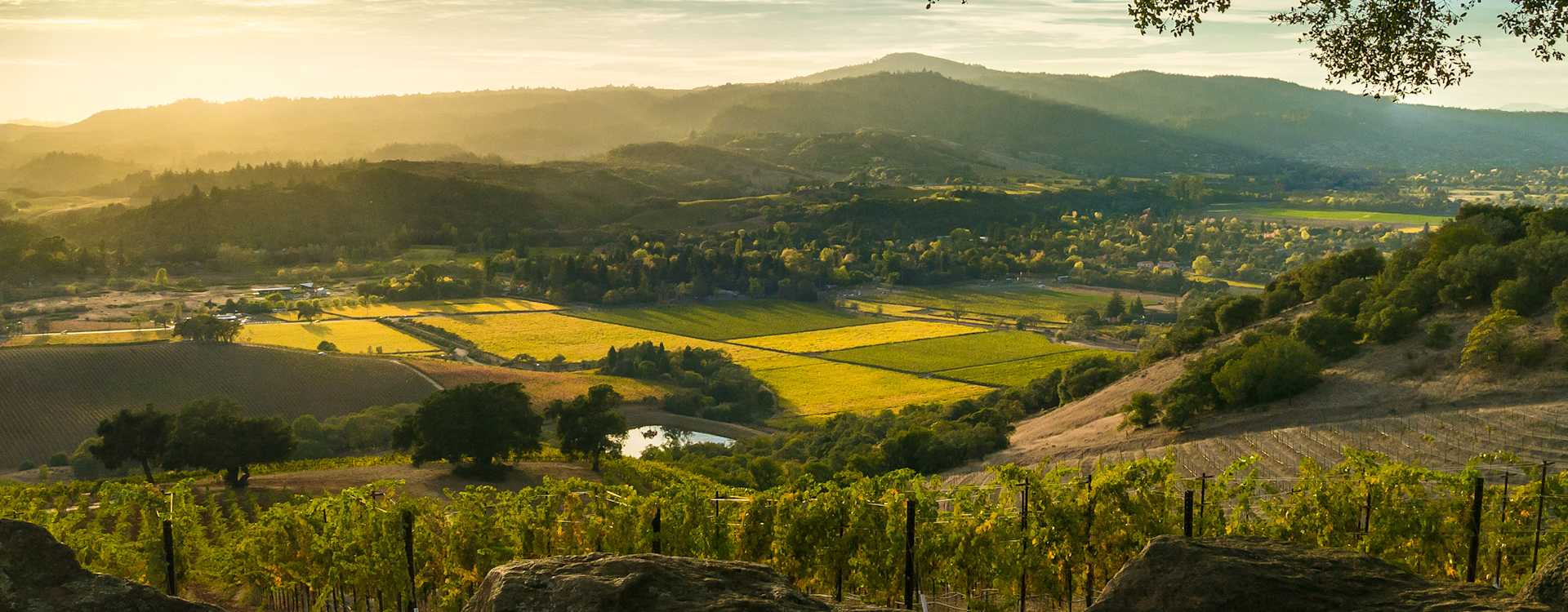
Home to a diverse array of smaller AVAs with varied microclimates and soil types, Sonoma County has something for every wine lover. Physically twice as large as Napa Valley, the region only produces about half the amount of wine but boasts both tremendous quality and variety. With its laid-back atmosphere and down-to-earth attitude, the wineries of Sonoma are appreciated by wine tourists for their friendliness and approachability. The entire county intends to become a 100% sustainable winegrowing region by 2019.
Sonoma County wines are produced with carefully selected grape varieties to reflect the best attributes of their sites—Dry Creek Valley’s consistent sunshine is ideal for Zinfandel, while the warm Alexander Valley is responsible for rich, voluptuous red wines like Cabernet Sauvignon. Chardonnay and Pinot Noir are important throughout the county, most notably in the cooler AVAs of Russian River, Sonoma Coast and Carneros. Sauvignon Blanc, Merlot and Syrah have also found a firm footing here.