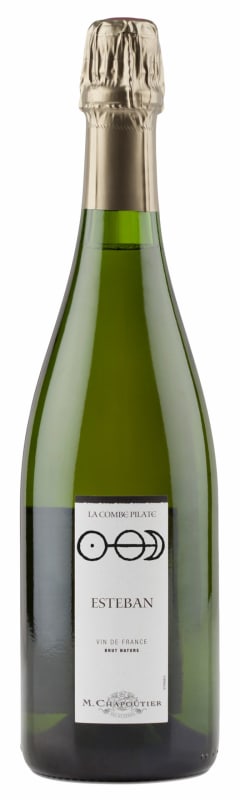


Winemaker Notes
Blend: 100% Viognier
Professional Ratings
-
Jeb Dunnuck
All Viognier, the 2019 Vin De France Esteban has pretty stone fruits, orange blossom, and some spicy notes in a medium-bodied, clean, crisp, well delineated package that’s going to drink nicely for a year or two.


Representing the topmost expression of a Champagne house, a vintage Champagne is one made from the produce of a single, superior harvest year. Vintage Champagnes account for a mere 5% of total Champagne production and are produced about three times in a decade. Champagne is typically made as a blend of multiple years in order to preserve the house style; these will have non-vintage, or simply, NV on the label. The term, "vintage," as it applies to all wine, simply means a single harvest year.

A long and narrow valley producing flavorful red, white, and rosé wines, the Rhône is bisected by the river of the same name and split into two distinct sub-regions—north and south. While a handful of grape varieties span the entire length of the Rhône valley, there are significant differences between the two zones in climate and geography as well as the style and quantity of Rhône wines produced. The Northern Rhône, with its continental climate and steep hillside vineyards, is responsible for a mere 5% or less of the greater region’s total output. The Southern Rhône has a much more Mediterranean climate, the aggressive, chilly Mistral wind and plentiful fragrant wild herbs known collectively as ‘garrigue.’
In the Northern Rhône, the only permitted red variety is Syrah, which in the appellations of St.-Joseph, Crozes-Hermitage, Hermitage, Cornas and Côte-Rôtie, it produces velvety black-fruit driven, savory, peppery red wines often with telltale notes of olive, game and smoke. Full-bodied, perfumed whites are made from Viognier in Condrieu and Château-Grillet, while elsewhere only Marsanne and Roussanne are used, with the former providing body and texture and the latter lending nervy acidity. The wines of the Southern Rhône are typically blends, with the reds often based on Grenache and balanced by Syrah, Mourvèdre, and an assortment of other varieties. All three northern white varieties are used here, as well as Grenache Blanc, Clairette, Bourbelenc and more. The best known sub-regions of the Southern Rhône are the reliable, wallet-friendly Côtes du Rhône and the esteemed Châteauneuf-du-Pape. Others include Gigondas, Vacqueyras and the rosé-only appellation Tavel.