


Winemaker Notes
The tasting notes reveal a bright straw yellow color, with stone and orchard fruit aromas, flinty wet stone, and white pepper. The palate is impressively bright and mineral-driven, balancing power and lift, with flavors of lemon, green apple, bosc pear, a touch of floral tone, and slate minerals. The wine is juicy and mineral driven, making it a standout offering.
The wine pairs well with roast poultry, white fish, seafood, and especially spicier dishes.
Blend: 70%Rabigato, 20% Arinto, 5% Gouveio, 5% Codega
Professional Ratings
-
James Suckling
This has aromas of sliced green apples, orchard fruit, fennel and a touch of flint. Medium- to full-bodied and fresh, with texture and pleasant phenolics. Long and persistent. Incredible value. A blend of multiple vineyards in Douro Superior. 60% rabigato, 15% gouveio, 15% codega and 10% viosinho. Made from 30- to 45-year-old vines. Aged for 12 months in used barrels.
-
Robert Parker's Wine Advocate
2023 was not as warm as 2022, and the 2023 Xisto Ilimitado Branco feels very fresh and clean, with a shy nose and balanced palate with purity and precision. It was produced from the zone of Meda in the south of Douro Superior, close to Beiras, from purchased grapes, mostly Rabigato with 20% Arinto and 5% each Gouveio and Codega from 35- to 60-year-old vines at 500 to 700 meters above sea level on schist soils (hence the name!). The bunches were pressed and the juice let to settle and fermented with indigenous yeasts, and the wine matured in 228- and 500-liter oak barres for 10 months with the lees, with full malolactic but without bâtonnage. It has 12.5% alcohol and a pH of 3.35 denoting freshness and comes through as balanced and elegant. Excellent!

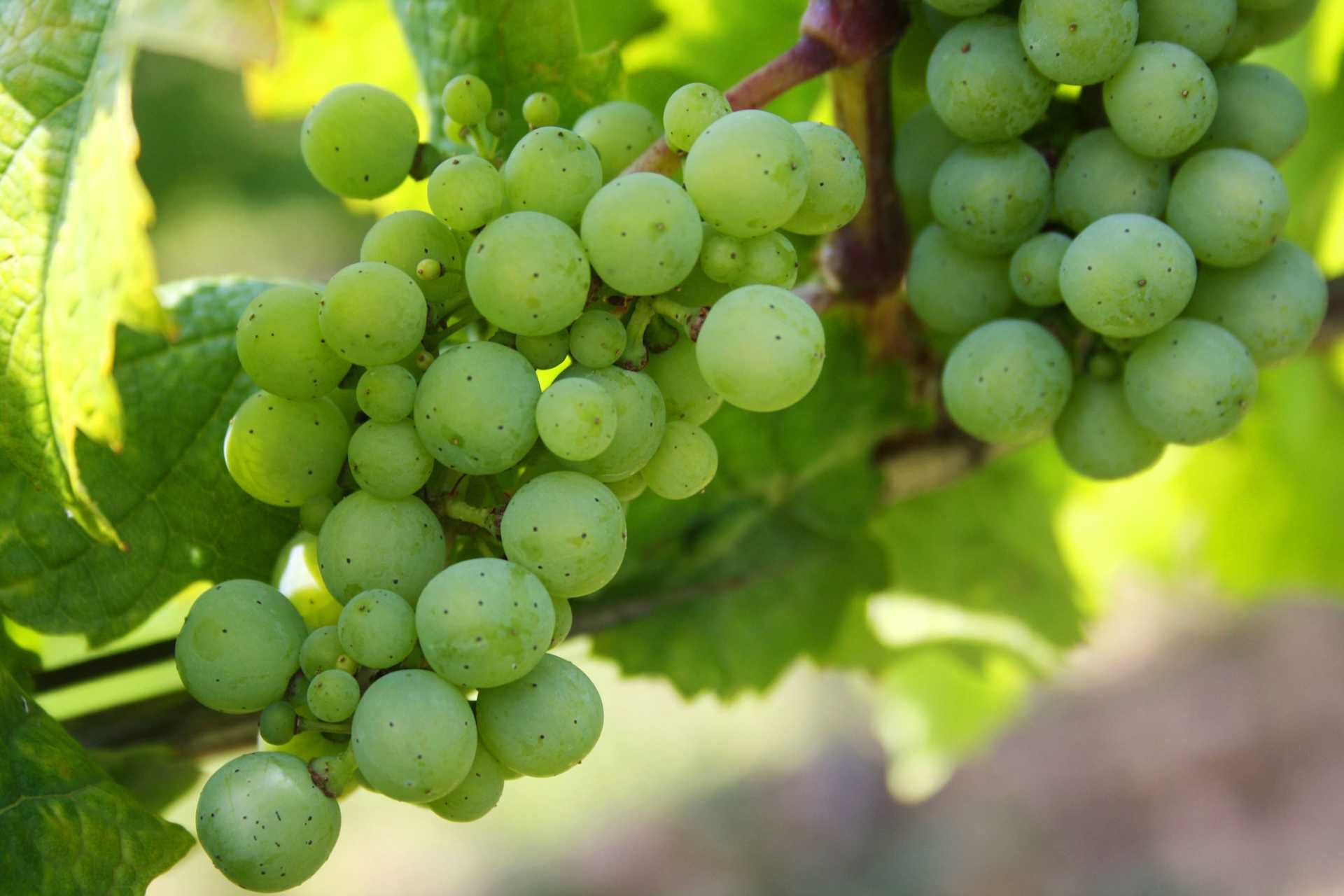
With hundreds of white grape varieties to choose from, winemakers have the freedom to create a virtually endless assortment of blended white wines. In many European regions, strict laws are in place determining the set of varieties that may be used in white wine blends, but in the New World, experimentation is permitted and encouraged. Blending can be utilized to enhance balance or create complexity, lending different layers of flavors and aromas. For example, a variety that creates a soft and full-bodied white wine blend, like Chardonnay, would do well combined with one that is more fragrant and naturally high in acidity. Sometimes small amounts of a particular variety are added to boost color or aromatics. Blending can take place before or after fermentation, with the latter, more popular option giving more control to the winemaker over the final qualities of the wine.

The home of Port—perhaps the most internationally acclaimed beverage—the Douro region of Portugal is one of the world’s oldest delimited wine regions, established in 1756. The vineyards of the Douro, set on the slopes surrounding the Douro River (known as the Duero in Spain), are incredibly steep, necessitating the use of terracing and thus, manual vineyard management as well as harvesting. The Douro's best sites, rare outcroppings of Cambrian schist, are reserved for vineyards that yield high quality Port.
While more than 100 indigenous varieties are approved for wine production in the Douro, there are five primary grapes that make up most Port and the region's excellent, though less known, red table wines. Touriga Nacional is the finest of these, prized for its deep color, tannins and floral aromatics. Tinta Roriz (Spain's Tempranillo) adds bright acidity and red fruit flavors. Touriga Franca shows great persistence of fruit and Tinta Barroca helps round out the blend with its supple texture. Tinta Cão, a fine but low-yielding variety, is now rarely planted but still highly valued for its ability to produce excellent, complex wines.
White wines, generally crisp, mineral-driven blends of Arinto, Viosinho, Gouveio, Malvasia Fina and an assortment of other rare but local varieties, are produced in small quantities but worth noting.
With hot summers and cool, wet winters, the Duoro has a maritime climate.