


Winemaker Notes
This is a very complex and age-worthy vinho branco with a lovely balance between structured, lush quince fruit and vivid mineral flavors. From the lowest yielding old vines, comprised of mostly Treixadura, planted on steep granite hillsides. Escolma means “selection” in Gallego. This top cuvée is only produced in excellent vintages, it was wild yeast fermented in a variety of sizes of French oak barrels, raised on the lees for 12 months, and further aged in the bottle for 36 months.
A noble wine to pair with lobster, crab, game and pork dishes.
Professional Ratings
-
Robert Parker's Wine Advocate
The current vintage of the top of the range in white is the 2015 Viña de Martín Escolma Blanco. Luis Anxo talks about a very good vintage, and he's always quite prudent and humble, which means the vintage was no less than excellent, with perfect weather that allowed picking each plot of white at the right time and the red ripened properly. Here, he wants to express "our way of understanding wine: ancestral varieties and lands, manual and respectful viticulture, forcing low yields, minimal intervention and a relatively long time in the cellar. We want a complex wine, but direct and intimate." This is a blend of Treixadura Albariño, Lado and Torrontés from his oldest vineyards on poor soils that deliver one kilo per plant. Each plot ferments separately with indigenous yeasts in new or semi-new 300-, 500- or 600-liter oak barrels, where the wine is kept with lees for one year, then blended and bottled. It's kept three years in bottle and sold the November four years after the harvest. This is a quiet and serious wine, like its creator, subtle, elegant and nuanced. It has notes of herbs and spices, pollen and beeswax. This is a super balanced vintage, with ripeness, concentration, freshness and elegance in a rare combination. This feels very young and seems to be evolving at a very slow pace and should make old bones.

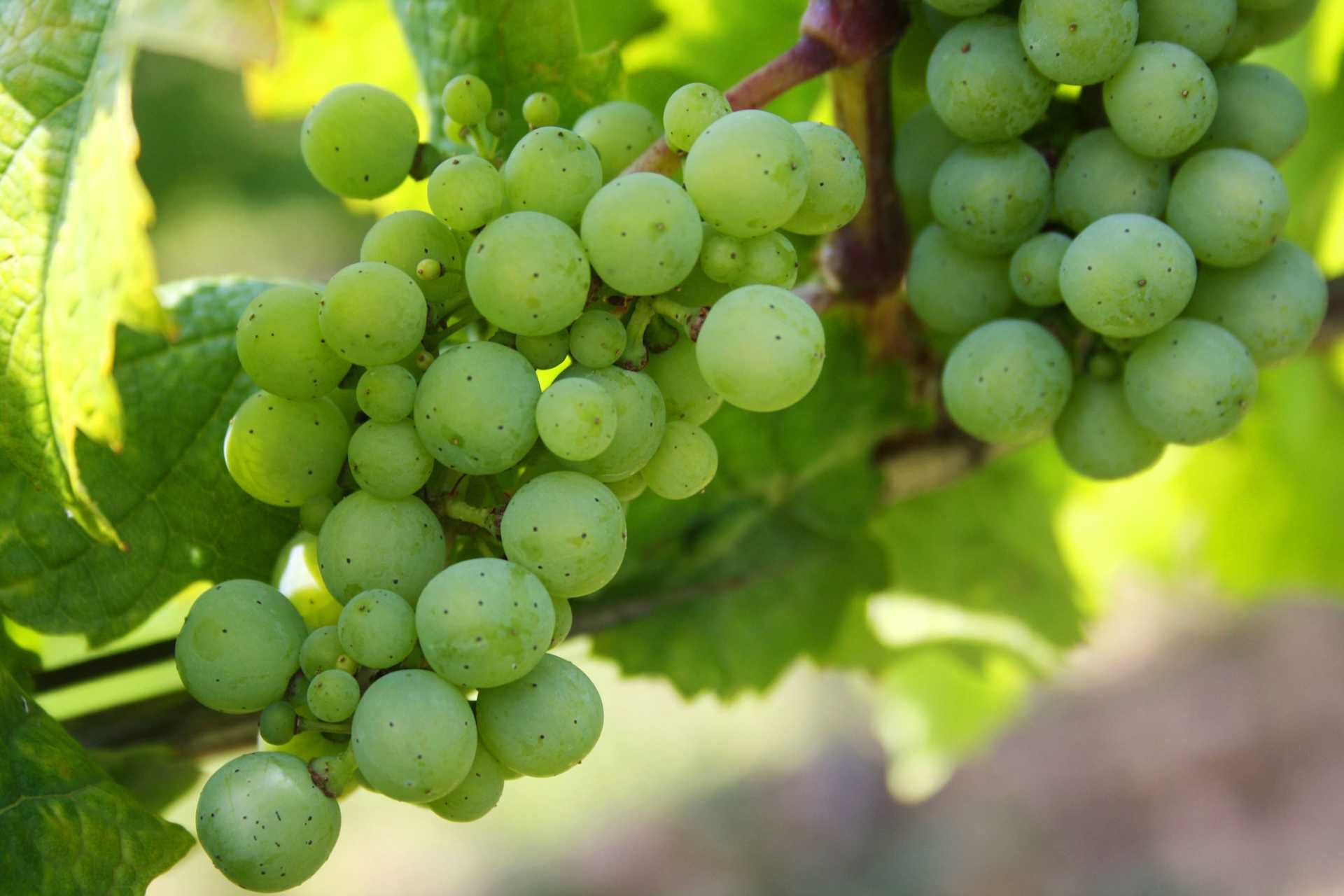
With hundreds of white grape varieties to choose from, winemakers have the freedom to create a virtually endless assortment of blended white wines. In many European regions, strict laws are in place determining the set of varieties that may be used in white wine blends, but in the New World, experimentation is permitted and encouraged. Blending can be utilized to enhance balance or create complexity, lending different layers of flavors and aromas. For example, a variety that creates a soft and full-bodied white wine blend, like Chardonnay, would do well combined with one that is more fragrant and naturally high in acidity. Sometimes small amounts of a particular variety are added to boost color or aromatics. Blending can take place before or after fermentation, with the latter, more popular option giving more control to the winemaker over the final qualities of the wine.

Located in the central and southern part of the northwest Spanish region of Galicia, Ribeiro is experiencing a revival thanks to the distinctive wines they produce with native red and white grapes. White wine accounts for 85% of all production in the region with principal white grape varieties as Treixadura, Albariño, Godello, Torrontés and Loureira. Ribeiro’s red grape varieties are Caiño Longo, Caiño Tinto, Caiño Bravo, Ferrón, Sousón, Brancellao and Mencía. Ribeiro's red wines are not quite as popular their white counterparts. The region obtained DO status in 1932.
Immense innovation and investment are now evident throughout the DO, both in the large cooperatives and in the smaller bodegas. An interesting aspect of the area is that many small, independent producers called colleteiros, make wine traditionally from their own grapes.