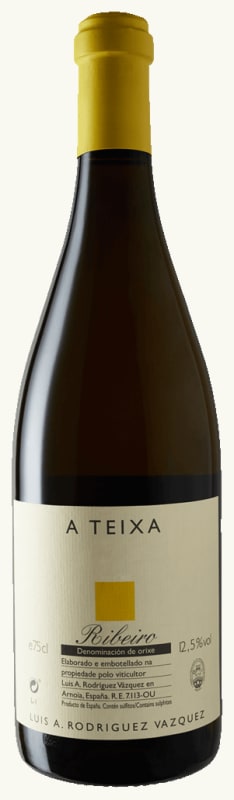


Winemaker Notes
A Teixa is a single vineyard located in the town of Ribadavia and is comprised of the native grapes Treixadura (mostly), Godello, and Albariño. Ribadavia is known for producing lush, textured, and expressive wines.

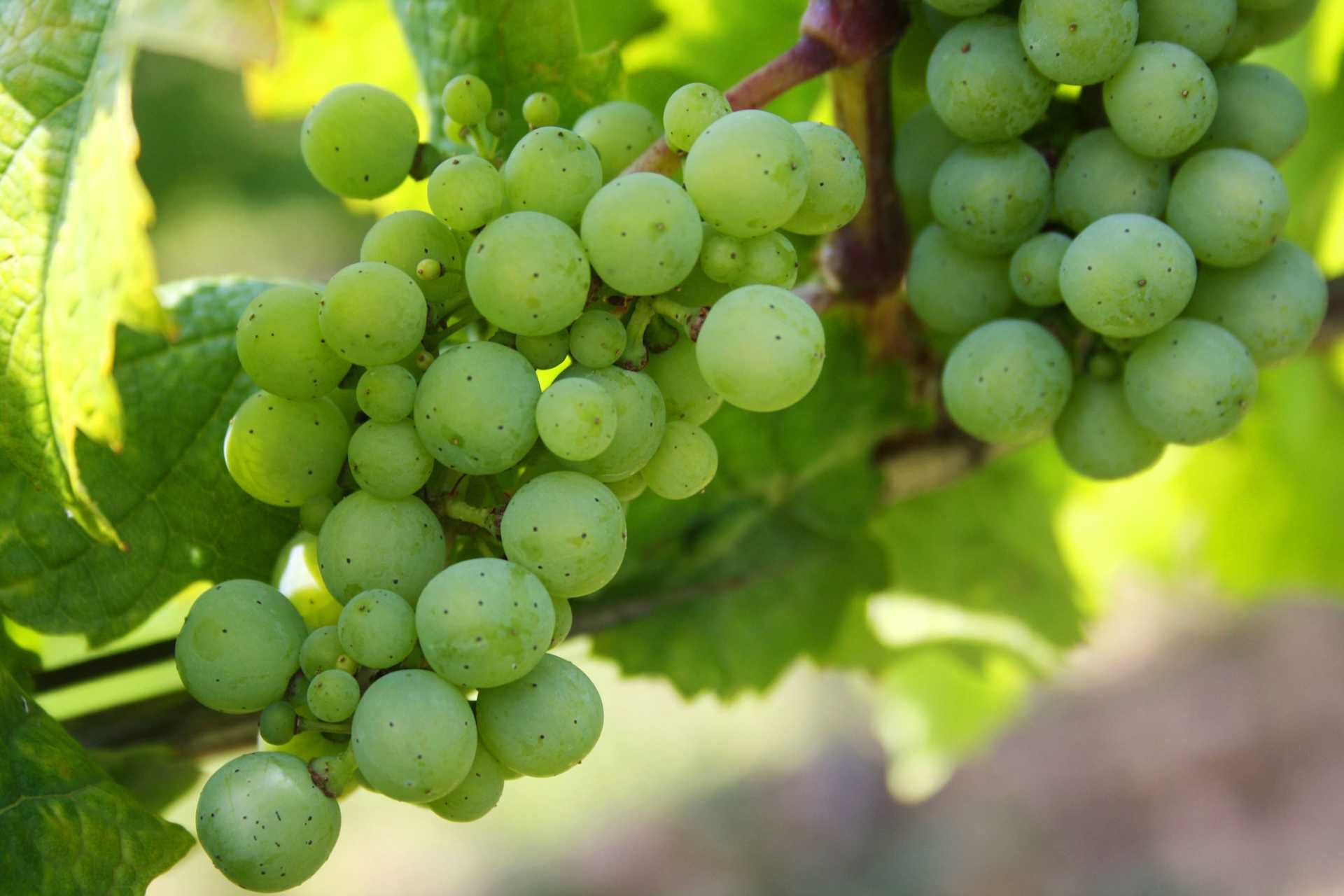
With hundreds of white grape varieties to choose from, winemakers have the freedom to create a virtually endless assortment of blended white wines. In many European regions, strict laws are in place determining the set of varieties that may be used in white wine blends, but in the New World, experimentation is permitted and encouraged. Blending can be utilized to enhance balance or create complexity, lending different layers of flavors and aromas. For example, a variety that creates a soft and full-bodied white wine blend, like Chardonnay, would do well combined with one that is more fragrant and naturally high in acidity. Sometimes small amounts of a particular variety are added to boost color or aromatics. Blending can take place before or after fermentation, with the latter, more popular option giving more control to the winemaker over the final qualities of the wine.

Located in the central and southern part of the northwest Spanish region of Galicia, Ribeiro is experiencing a revival thanks to the distinctive wines they produce with native red and white grapes. White wine accounts for 85% of all production in the region with principal white grape varieties as Treixadura, Albariño, Godello, Torrontés and Loureira. Ribeiro’s red grape varieties are Caiño Longo, Caiño Tinto, Caiño Bravo, Ferrón, Sousón, Brancellao and Mencía. Ribeiro's red wines are not quite as popular their white counterparts. The region obtained DO status in 1932.
Immense innovation and investment are now evident throughout the DO, both in the large cooperatives and in the smaller bodegas. An interesting aspect of the area is that many small, independent producers called colleteiros, make wine traditionally from their own grapes.