


Winemaker Notes
Perfect to enjoy with special dishes, such as a rack of lamb with sautéed mushrooms, or a rib eye steak with quinoa risotto, and a semi-hard cheese platter.
Blend: 100% Malbec
Professional Ratings
-
Vinous
From Luján de Cuyo, the 2021 Malbec De Sangre was aged for 12 months in used barrels. Intense purple color in the glass. The nose presents violets, fresh plum, balsamic notes, white pepper, hints of oak, black tea and a whiff of grapefruit. Plush and broad with fruity flavor and voluminous, polished tannins. The texture is velvety before the long, fruity finish.
-
James Suckling
This has a toasty character with notes of ripe plums and cherries as well as sweet spices, hazelnuts and grilled herbs. Medium- to full-bodied with plush, creamy tannins and rich core of dark fruit and spices. Rich and mellow finish.
-
Wine Enthusiast
This wine is a blend of Malbec grapes from vineyards in the Luján de Cuyo region and is one of the few Malbec DOCs available in the market. Herbaceous notes dominate the palate in this vintage. The nose offers aromas of violets, cassis and plum jam. Flavors of grass, cinnamon and plum are lifted by much-needed acidity. It has a velvety texture and smoky notes in the meaty finish. Let it breathe for a few minutes before drinking.
-
Wine Spectator
Abundantly spiced and layered with floral and savory thyme details that join a juicy blackberry and plum core, which fans out nicely around chiseled tannins and a note of hibiscus.




Luigi Bosca is the leading Argentine winery at an international level, and one of the most admired brands worldwide. Present in over 60 countries and more than 9.5 million premium wine bottles produced on an annual basis, it is regarded as an ambassador of the peculi arity and elegance of the wines born in Mendoza. Over the course of its 120 years of history, Luigi Bosca successfully redefined the luxury Argentine winemaking sector.
Founded in 1901 by the Arizu family in Mendoza, Bodega Luigi Bosca is the most historic wine family in Argentina and has continuously crafted award - winning wines that showcase the unique terroir of Mendoza’s sub-regions. The family has estate vineyards spanning over 1,300 acres in celebrated subregions, Luján de Cuyo, Uco Valley, and Maipu. Dedicated to showcasing ultra - premium and luxury wines, the Arizu family helped to establish the first Argentinian D.O.C. Luján de Cuyo, in 1989. The wine collection today includes the Luigi Bosca tier, the DeSangre collection, Los Nobles single vineyard, and the pinnacle wine of the family, Paraiso.
Luigi Bosca produces top quality wines based on their long - term vision and consistency over time. A legacy that is passed on from generation to generation, to keep on writing a century - old history through the transformation of the essential aspects of nature into the uniqueness of the exceptional.

Celebrated for its bold flavors and supple texture, Malbec has enjoyed runaway success in Argentina since the late 20th century. The grape originated in Bordeaux, France, where it historically contributed color and tannin to blends. A French agronomist, who saw great potential for the variety in Mendoza’s hot, high-altitude landscape, brought Malbec to Argentina in 1868. Somm Secret—If you’re trying to please a crowd, Malbec is generally a safe bet with its combination of dense fruit and soft tannins.

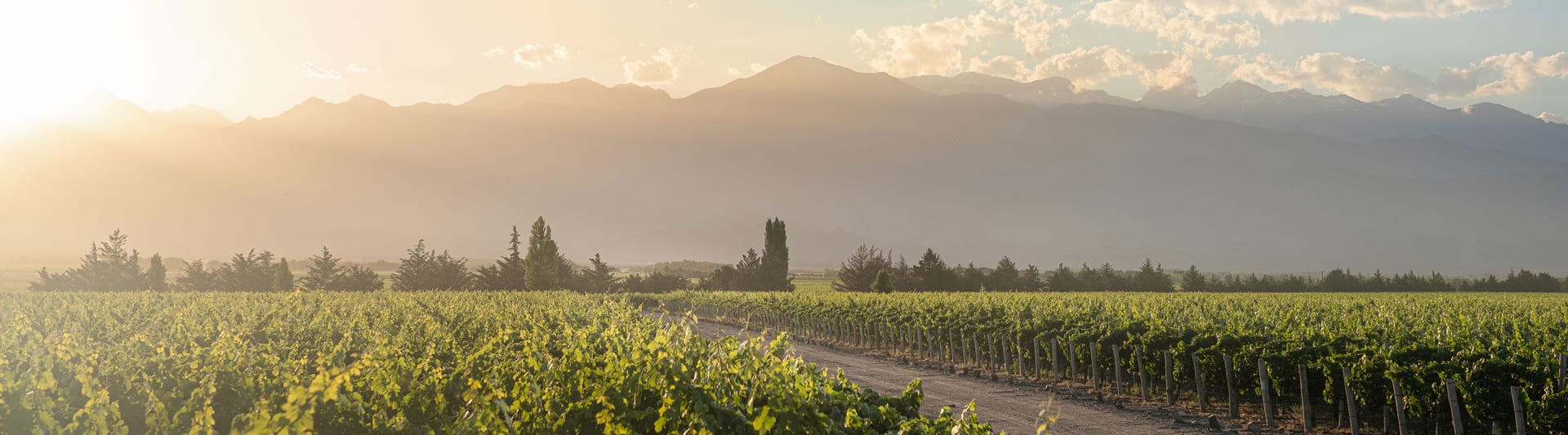
By far the largest and best-known winemaking province in Argentina, Mendoza is responsible for over 70% of the country’s enological output. Set in the eastern foothills of the Andes Mountains, the climate is dry and continental, presenting relatively few challenges for viticulturists during the growing season. Mendoza, divided into several distinctive sub-regions, including Luján de Cuyo and the Uco Valley, is the source of some of the country’s finest wines.
For many wine lovers, Mendoza is practically synonymous with Malbec. Originally a Bordelaise variety brought to Argentina by the French in the mid-1800s, here it found success and renown that it never knew in its homeland where a finicky climate gives mixed results. Cabernet Sauvignon, Syrah, Merlot and Pinot Noir are all widely planted here as well (and sometimes even blended with each other or Malbec). Mendoza's main white varieties include Chardonnay, Torrontés, Sauvignon Blanc and Sémillon.