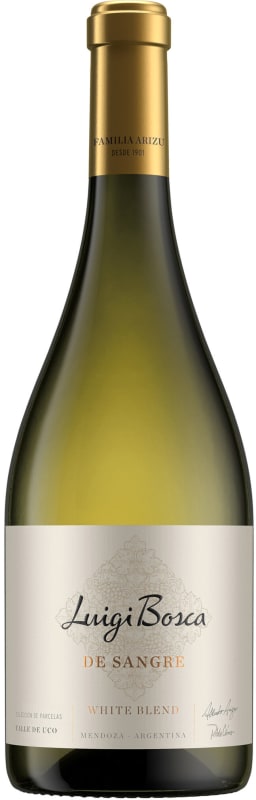


Winemaker Notes
Perfect to enjoy with grilled fatty fishes, such as salmon or surubí, served with potatoes and roasted vegetables.
Blend: 50% Chardonnay, 35% Sémillon, 15% Sauvignon Blanc
Professional Ratings
-
Wine & Spirits
Half of this blend is chardonnay, the balance semillon and sauvignon blanc, combining with racy acidity, beeswax texture and green-herbal accents in the finish. The chardonnay fermented and aged on its fine lees for eight months in French oak, adding a faint touch of richness that will structure the wine for the next half-decade. A day of air almost completely integrates that oak influence into orange florals through the wine’s long finish.
-
James Suckling
Aromas of pears and nectarines with hints of hazelnut, beeswax and white tea. Medium- to full-bodied with toned, crispy acidity, and chalky texture. Hints of minerals and crushed stones through the vivid and lingering finish. Chardonnay, semillon and sauvignon blanc.
-
Wine Enthusiast
A blend of 50% Chardonnay and the rest of Sémillon and Sauvignon Blanc, this is well structured and has a creamy texture. The nose is subtle, but the palate offers generous notes of lemon and pear. A dash of celery shows in the delicious crisp finish.
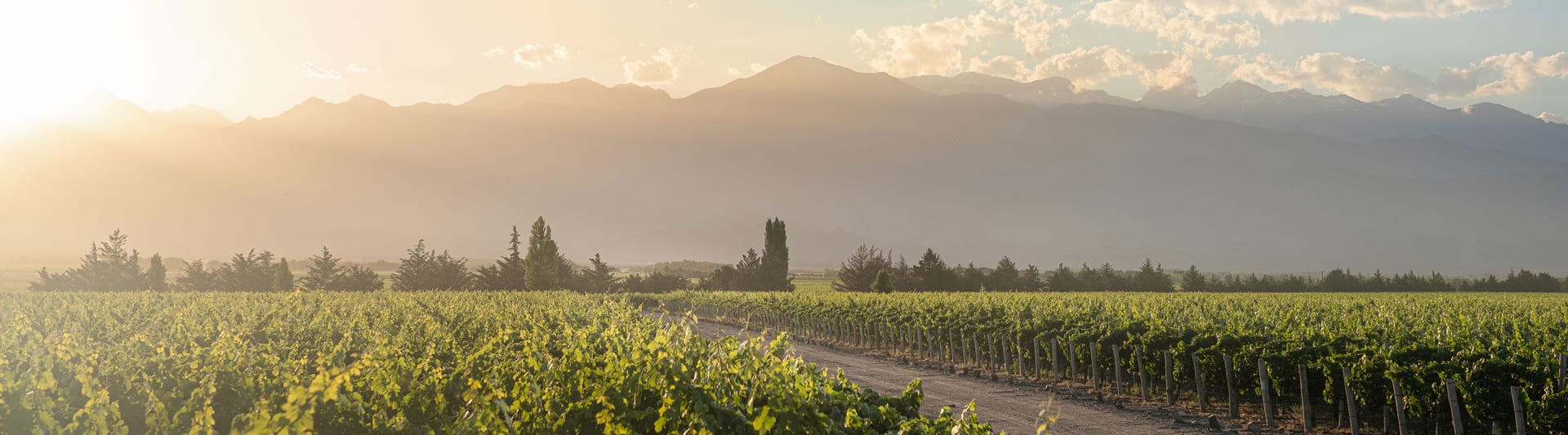



Luigi Bosca is the leading Argentine winery at an international level, and one of the most admired brands worldwide. Present in over 60 countries and more than 9.5 million premium wine bottles produced on an annual basis, it is regarded as an ambassador of the peculi arity and elegance of the wines born in Mendoza. Over the course of its 120 years of history, Luigi Bosca successfully redefined the luxury Argentine winemaking sector.
Founded in 1901 by the Arizu family in Mendoza, Bodega Luigi Bosca is the most historic wine family in Argentina and has continuously crafted award - winning wines that showcase the unique terroir of Mendoza’s sub-regions. The family has estate vineyards spanning over 1,300 acres in celebrated subregions, Luján de Cuyo, Uco Valley, and Maipu. Dedicated to showcasing ultra - premium and luxury wines, the Arizu family helped to establish the first Argentinian D.O.C. Luján de Cuyo, in 1989. The wine collection today includes the Luigi Bosca tier, the DeSangre collection, Los Nobles single vineyard, and the pinnacle wine of the family, Paraiso.
Luigi Bosca produces top quality wines based on their long - term vision and consistency over time. A legacy that is passed on from generation to generation, to keep on writing a century - old history through the transformation of the essential aspects of nature into the uniqueness of the exceptional.

With hundreds of white grape varieties to choose from, winemakers have the freedom to create a virtually endless assortment of blended white wines. In many European regions, strict laws are in place determining the set of varieties that may be used in white wine blends, but in the New World, experimentation is permitted and encouraged. Blending can be utilized to enhance balance or create complexity, lending different layers of flavors and aromas. For example, a variety that creates a soft and full-bodied white wine blend, like Chardonnay, would do well combined with one that is more fragrant and naturally high in acidity. Sometimes small amounts of a particular variety are added to boost color or aromatics. Blending can take place before or after fermentation, with the latter, more popular option giving more control to the winemaker over the final qualities of the wine.

By far the largest and best-known winemaking province in Argentina, Mendoza is responsible for over 70% of the country’s enological output. Set in the eastern foothills of the Andes Mountains, the climate is dry and continental, presenting relatively few challenges for viticulturists during the growing season. Mendoza, divided into several distinctive sub-regions, including Luján de Cuyo and the Uco Valley, is the source of some of the country’s finest wines.
For many wine lovers, Mendoza is practically synonymous with Malbec. Originally a Bordelaise variety brought to Argentina by the French in the mid-1800s, here it found success and renown that it never knew in its homeland where a finicky climate gives mixed results. Cabernet Sauvignon, Syrah, Merlot and Pinot Noir are all widely planted here as well (and sometimes even blended with each other or Malbec). Mendoza's main white varieties include Chardonnay, Torrontés, Sauvignon Blanc and Sémillon.