


Winemaker Notes
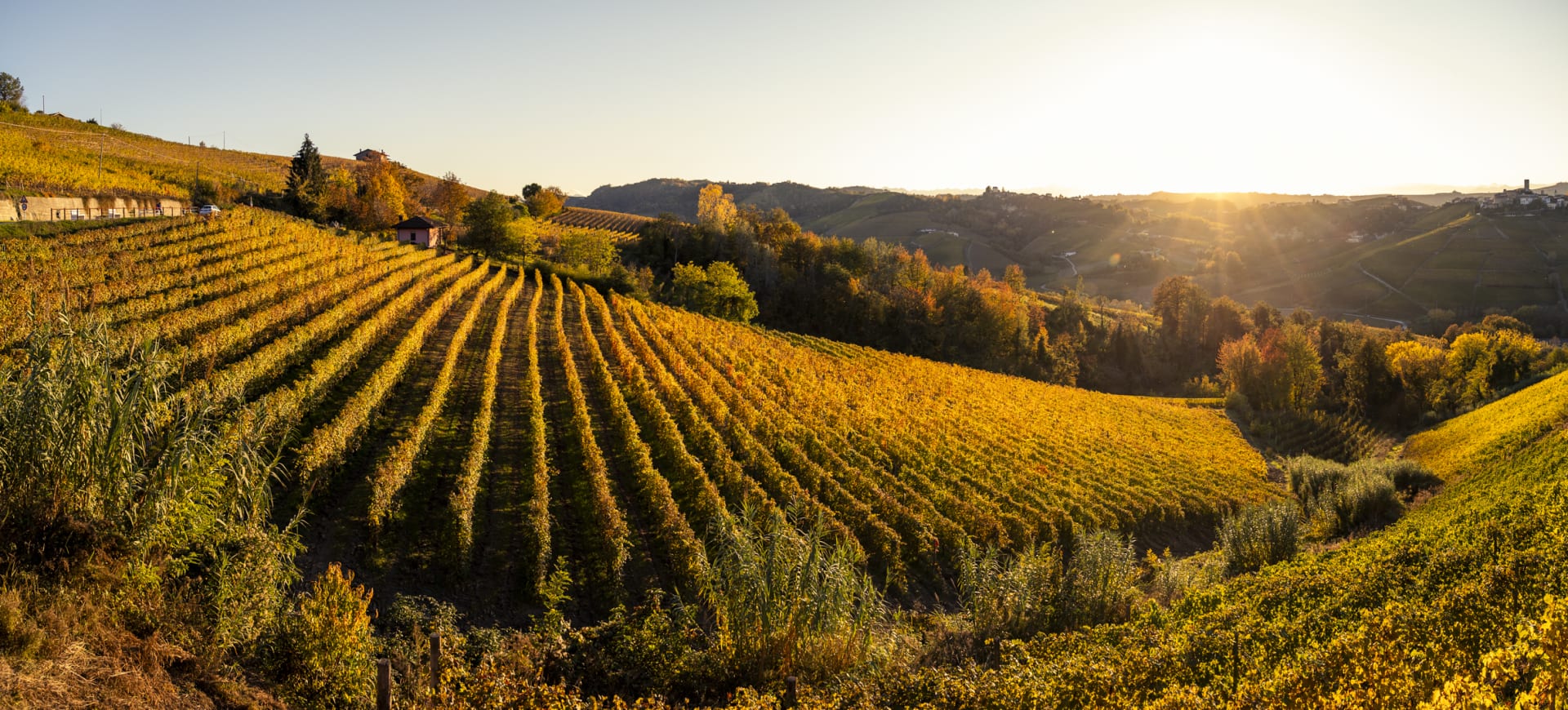
The cru of Baudana can seem undersung compared to more famous sites, but in the recent past it was not so. “This vineyard has contributed to creating excellent signature wines since the 1930s and has always been held in high esteem by the locals”--Atlante delle Vigne di Langa, Slow Food, 1990. It was also singled out in Renato Ratti's now widely-cited 1970 map of the Barolo zone's best vineyards. Soils are a combination of the bluish-gray Tortonian-era Sant'Agata Fossili marls and the older whitish-yellow Formazione di Lequio from the Serravallian epoch. This tends to give a wine with the depth and power one associates with Serralunga, but with a gentler tannin structure, perhaps reminiscent of the wines of Barolo and La Morra.
Professional Ratings
-
Jeb Dunnuck
The 2021 Barolo Baudana is ruby red in color and offers a wonderful clarity and focus on the nose, with bright notes of cranberry, orange peel, bright spice, and dried rocky earth. The palate has a more linear tension, with a refreshing and lifted feel, compact tannins, and a long, even finish. Following harvest, it saw 42 days of submerged cap fermentation and 23 months of cask aging prior to resting in bottle. Drink 2027-2047.
-
Wine Spectator
This red hits all the marks, from its macerated cherry and strawberry fruit to its savory, eucalyptus and herbal notes to its fluid feel and dense structure. Balanced, with plenty of support and fine potential to develop over time.
-
Robert Parker's Wine Advocate
The organic Luigi Baudana 2021 Barolo Baudana appears glossy and polished with bright intensity delivered through red and purple fruits, spice and floral aromas. The wine is quite lightweight on the palate, even lean, but it makes up for a lack of textural weight with a very long and silky finish. Minutes later, you feel dried rose and pulverized stone. Aging takes place in large Slavonian oak cask.
-
Vinous
The 2021 Barolo Baudana is another super-sensual wine from the estate. Silky tannins wrap around a core of red cherry/red plum fruit, blood orange, cinnamon and flowers. A wine with striking inner perfume, the 2021 is captivating from start to finish.
-
Decanter
Here, family and territory are inextricably linked, as one gave the Baudana name to the other. Since taking over the estate in 2009, the Vaira family of GD Vajra continues to honour this legacy. While it doesn’t possess the sheer intensity of the Cerretta bottling, this 2021 is still brimming with vigour and potential. Opening fragrances of lovage, sage and rosemary persist through the red-fruited core. Grainy tannins dissolve into the mid-palate plushness without losing their firm bolstering edge, and crunchy acidity injects enduring freshness.


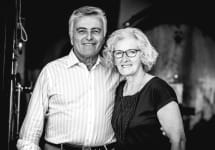
Luigi Baudana is one of the last garagiste estates in Langhe. With just 4 quality hectares, located in some of the most prestigious Barolo crus in Serralunga d'Alba. The wines of the Luigi Baudana collection are an expression of powerful, genuine and true-to-terroir wines, expressing the best of the Nebbiolo grape.
The origin of the cellar is lost in time: Baudana is the name of the family, but it is also the name of the vineyard and of the hamlet of Serralunga d'Alba, where the winery is located.
For over thirty years, Luigi and Fiorina Baudana have grown the vineyards that have belonged to their family for generations. They cared for their vineyards with the same tenderness of their own love and with the same warmth emanating from their cellar, born under the vaults of their home.
From the very beginning, the Vaira family have been impressed by Luigi and Fiorina's ambition, as well as pride in their work. Their mission every day is for Luigi and Fiorina to be proud of the vineyards and of the wines, whilst perpetuating their gestures and seeking for the authenticity of every single vineyard.

Responsible for some of the most elegant and age-worthy wines in the world, Nebbiolo, named for the ubiquitous autumnal fog (called nebbia in Italian), is the star variety of northern Italy’s Piedmont region. Grown throughout the area, as well as in the neighboring Valle d’Aosta and Valtellina, it reaches its highest potential in the Piedmontese villages of Barolo, Barbaresco and Roero. Outside of Italy, growers are still very much in the experimentation stage but some success has been achieved in parts of California. Somm Secret—If you’re new to Nebbiolo, start with a charming, wallet-friendly, early-drinking Langhe Nebbiolo or Nebbiolo d'Alba.

The center of the production of the world’s most exclusive and age-worthy red wines made from Nebbiolo, the Barolo wine region includes five core townships: La Morra, Monforte d’Alba, Serralunga d’Alba, Castiglione Falletto and the Barolo village itself, as well as a few outlying villages. The landscape of Barolo, characterized by prominent and castle-topped hills, is full of history and romance centered on the Nebbiolo grape. Its wines, with the signature “tar and roses” aromas, have a deceptively light garnet color but full presence on the palate and plenty of tannins and acidity. In a well-made Barolo wine, one can expect to find complexity and good evolution with notes of, for example, strawberry, cherry, plum, leather, truffle, anise, fresh and dried herbs, tobacco and violets.
There are two predominant soil types here, which distinguish Barolo from the lesser surrounding areas. Compact and fertile Tortonian sandy marls define the vineyards farthest west and at higher elevations. Typically the Barolo wines coming from this side, from La Morra and Barolo, can be approachable relatively early on in their evolution and represent the “feminine” side of Barolo, often closer in style to Barbaresco with elegant perfume and fresh fruit.
On the eastern side of the Barolo wine region, Helvetian soils of compressed sandstone and chalks are less fertile, producing wines with intense body, power and structured tannins. This more “masculine” style comes from Monforte d’Alba and Serralunga d’Alba. The township of Castiglione Falletto covers a spine with both soil types.
The best Barolo wines need 10-15 years before they are ready to drink, and can further age for several decades.