


Winemaker Notes
A deep red in the glass introduces aromas of pure cherries and plums accented with spice, graphite, eucalyptus and licorice. Warm and dry character with firm tannins balanced by a fresh and gentle acidity. A unique soil composition with blue clay translates in a wine with a powerful elegance.
Professional Ratings
-
Jeb Dunnuck
The 2019 Barolo Baudana is flush with ripe red and black cherry, pressed flowers, and vibrant purity and depth. It is potent with blood orange, and it has a rich, firm structure that is ripe with turned earth, crushed rocks, and saline. It is a fully structured red with a long finish. Drink 2026 and over the following two or more decades.
-
Vinous
The 2019 Barolo Baudana is absolutely captivating. Effusive and bright in the glass, with tons of freshness and remarkable fruit purity, the Baudana offers up generous dark red fruit, spice, leather, kirsch, hard candy, cedar, tobacco and underbrush. There's terrific depth here and exceptional balance, too. Rose petal, white pepper and chalk lift the high-toned, intensely saline finish.
-
Robert Parker's Wine Advocate
The 2019 Barolo Baudana offers good power and ripeness with sweet fruit flavors, dark cherry, spice and ferrous earth. These aromas are characteristic of this site in Serralunga d'Alba. The wine is silky and generous on the palate, with salty minerality on the close. On a scale of growing intensity, Baudana generally comes after the Barolo del Comune di Serralunga d'Alba and before the Barolo Cerretta in this portfolio of three wines.
-
Wine Spectator
Cherry, raspberry liqueur, mint and mineral flavors highlight this taut, dense red, which is balanced, with eucalyptus and juniper notes chiming in on the protracted finish. Best from 2026 through 2045. 570 cases made.
-
James Suckling
Note of ground spices, nut shell and cedar with subtle aromas of red fruit in the background. Medium-bodied, structured and firm. Chewy and lightly austere in the finish.
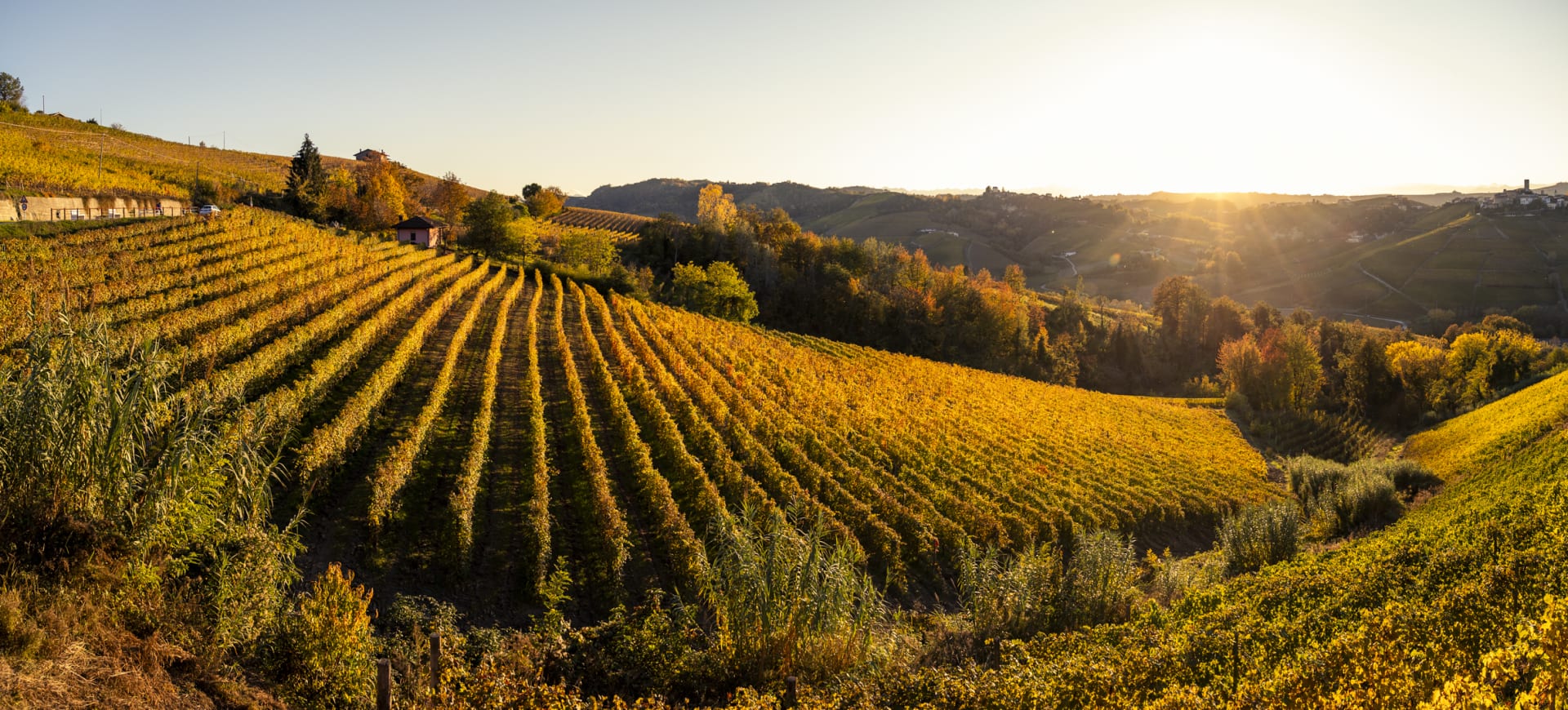


Luigi Baudana is one of the last garagiste estates in Langhe. With just 4 quality hectares, located in some of the most prestigious Barolo crus in Serralunga d'Alba. The wines of the Luigi Baudana collection are an expression of powerful, genuine and true-to-terroir wines, expressing the best of the Nebbiolo grape.
The origin of the cellar is lost in time: Baudana is the name of the family, but it is also the name of the vineyard and of the hamlet of Serralunga d'Alba, where the winery is located.
For over thirty years, Luigi and Fiorina Baudana have grown the vineyards that have belonged to their family for generations. They cared for their vineyards with the same tenderness of their own love and with the same warmth emanating from their cellar, born under the vaults of their home.
From the very beginning, the Vaira family have been impressed by Luigi and Fiorina's ambition, as well as pride in their work. Their mission every day is for Luigi and Fiorina to be proud of the vineyards and of the wines, whilst perpetuating their gestures and seeking for the authenticity of every single vineyard.

Responsible for some of the most elegant and age-worthy wines in the world, Nebbiolo, named for the ubiquitous autumnal fog (called nebbia in Italian), is the star variety of northern Italy’s Piedmont region. Grown throughout the area, as well as in the neighboring Valle d’Aosta and Valtellina, it reaches its highest potential in the Piedmontese villages of Barolo, Barbaresco and Roero. Outside of Italy, growers are still very much in the experimentation stage but some success has been achieved in parts of California. Somm Secret—If you’re new to Nebbiolo, start with a charming, wallet-friendly, early-drinking Langhe Nebbiolo or Nebbiolo d'Alba.

The center of the production of the world’s most exclusive and age-worthy red wines made from Nebbiolo, the Barolo wine region includes five core townships: La Morra, Monforte d’Alba, Serralunga d’Alba, Castiglione Falletto and the Barolo village itself, as well as a few outlying villages. The landscape of Barolo, characterized by prominent and castle-topped hills, is full of history and romance centered on the Nebbiolo grape. Its wines, with the signature “tar and roses” aromas, have a deceptively light garnet color but full presence on the palate and plenty of tannins and acidity. In a well-made Barolo wine, one can expect to find complexity and good evolution with notes of, for example, strawberry, cherry, plum, leather, truffle, anise, fresh and dried herbs, tobacco and violets.
There are two predominant soil types here, which distinguish Barolo from the lesser surrounding areas. Compact and fertile Tortonian sandy marls define the vineyards farthest west and at higher elevations. Typically the Barolo wines coming from this side, from La Morra and Barolo, can be approachable relatively early on in their evolution and represent the “feminine” side of Barolo, often closer in style to Barbaresco with elegant perfume and fresh fruit.
On the eastern side of the Barolo wine region, Helvetian soils of compressed sandstone and chalks are less fertile, producing wines with intense body, power and structured tannins. This more “masculine” style comes from Monforte d’Alba and Serralunga d’Alba. The township of Castiglione Falletto covers a spine with both soil types.
The best Barolo wines need 10-15 years before they are ready to drink, and can further age for several decades.