


Winemaker Notes
This wine was predominately made with Pinot Noir and co-fermented with Viognier. After being harvested early in the morning, the grapes were crushed and soaked overnight in a stainless steel tank. This process allows the color from the skins to tint the juice a marvelous faint red color. The aromas are complex with layers of fruity, flinty and perfume-like qualities: strawberry creme, raspberry, and peach coupled with blossoms. The wine has crisp acidity and a luscious finish.
Blend: 94% Pinot Noir and 6% Viognier.

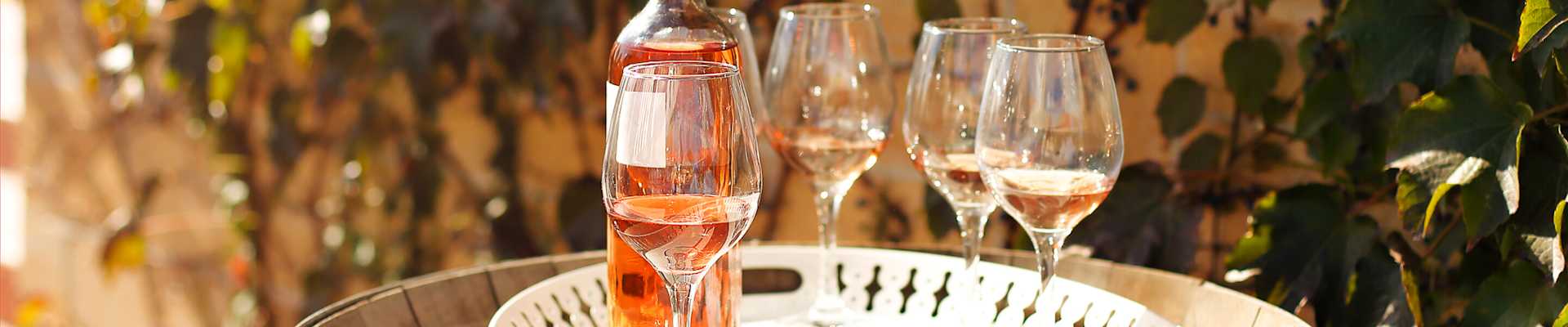
Whether it’s playful and fun or savory and serious, most rosé today is not your grandmother’s White Zinfandel, though that category remains strong. Pink wine has recently become quite trendy, and this time around it’s commonly quite dry. Since the pigment in red wines comes from keeping fermenting juice in contact with the grape skins for an extended period, it follows that a pink wine can be made using just a brief period of skin contact—usually just a couple of days. The resulting color depends on grape variety and winemaking style, ranging from pale salmon to deep magenta.

With a dry and mild climate cooled significantly by moist ocean fog and breezes, Santa Barbara County is a grape-grower’s dream. Part of the larger Central Coast appellation, Santa Barbara is home to Santa Maria Valley and Santa Ynez Valley. The conditions here provide an opportunity for nearly effortless production of high-quality cool-climate Central Coast wines. This is also the site of the 2004 film Sideways, which caused Pinot Noir’s popularity to skyrocket and brought new acclaim to the region.
Chardonnay and Pinot Noir are the stars of Santa Barbara, producing wines marked by racy acidity. Crisp Sauvignon Blanc and savory Syrah are also important. The region is home to many young and enthusiastic winemakers eager to experiment with less common varieties including Chenin Blanc, Grüner Veltliner, Trousseau Gris, Gamay and Cabernet Franc, making it an exciting area to watch.