


Winemaker Notes
Aromas of cassis with mint and oak notes. Medium-bodied and classically structured with good density. The Cabernet fruit melds seamlessly with the Malbec, creating a well-structured and balanced blend with moderate tannins and a lengthy finish.
This wine will pair well with any Cab-friendly dishes such as steak, pork, lamb, and strong cheeses.
Professional Ratings
-
James Suckling
This is linear and focused with a vertical line of tannins running through the wine. Blackberries and hints of dried herbs and licorice. Medium-to full-bodied, firm and fresh. A blend of cabernet sauvignon, malbec and a hint of cabernet franc. Better after 2022, but already beautiful.
-
Robert Parker's Wine Advocate
The floral, juicy and expressive 2018 Beso de Dante shows good freshness and balance with some tannin (it's very young), and it might benefit from some more time in bottle. This is a serious Malbec.
-
Wine Spectator
Big, rich and fleshy, with a broad spectrum of red fruit and dried dark fruit flavors loaded with cooking spice accents. The ripe finish shows cocoa nib notes. Malbec, Cabernet Sauvignon and Cabernet Franc.


Laura Catena is a fourth generation winemaker who grew up in a traditional Argentine-Italian winemaking family in Mendoza. Laura splits her time between Mendoza and San Francisco, California, where she is an emergency physician, university professor and occasional tango dancer. Laura had the vision of creating a new breed of Argentine wines: small quantities, artisan quality, and true to their individual terroirs. A pioneer of small-grower relations in Mendoza, Laura's incredible, limited production wines come from some of Argentina's best fruit from low-yield, high-elevation, family-owned vineyards. The wines are named after her children - Luca, Dante and Nicola - and symbolize her love for her family. The background of the label is the McDermott coat of arms of her American husband, Daniel McDermott.

One of the world’s most classic and popular styles of red wine, Bordeaux-inspired blends have spread from their homeland in France to nearly every corner of the New World. Typically based on either Cabernet Sauvignon or Merlot and supported by Cabernet Franc, Malbec and Petit Verdot, the best of these are densely hued, fragrant, full of fruit and boast a structure that begs for cellar time. Somm Secret—Blends from Bordeaux are generally earthier compared to those from the New World, which tend to be fruit-dominant.

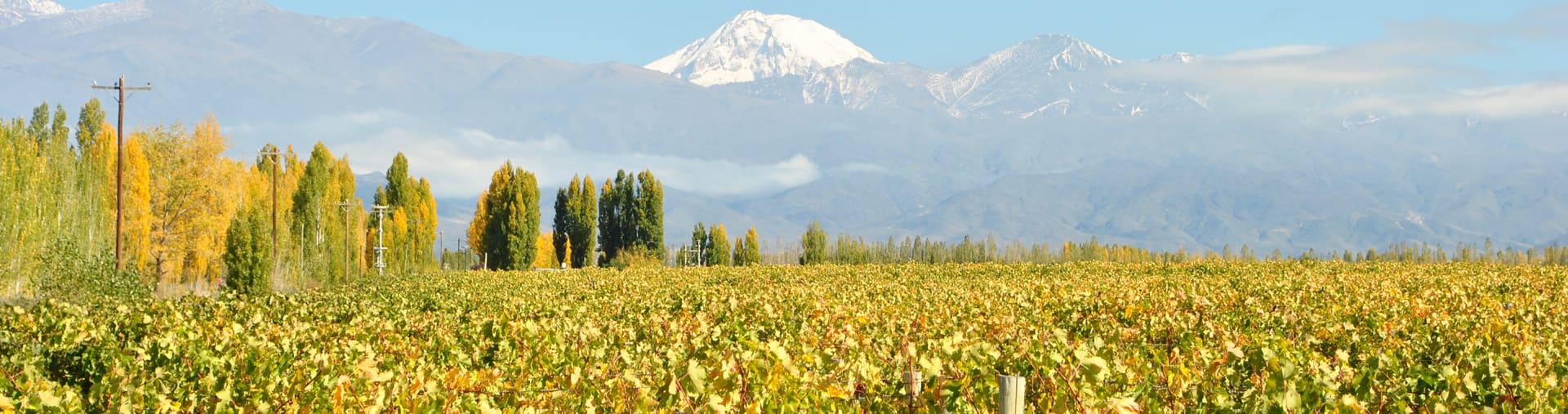
By far the largest and best-known winemaking province in Argentina, Mendoza is responsible for over 70% of the country’s enological output. Set in the eastern foothills of the Andes Mountains, the climate is dry and continental, presenting relatively few challenges for viticulturists during the growing season. Mendoza, divided into several distinctive sub-regions, including Luján de Cuyo and the Uco Valley, is the source of some of the country’s finest wines.
For many wine lovers, Mendoza is practically synonymous with Malbec. Originally a Bordelaise variety brought to Argentina by the French in the mid-1800s, here it found success and renown that it never knew in its homeland where a finicky climate gives mixed results. Cabernet Sauvignon, Syrah, Merlot and Pinot Noir are all widely planted here as well (and sometimes even blended with each other or Malbec). Mendoza's main white varieties include Chardonnay, Torrontés, Sauvignon Blanc and Sémillon.