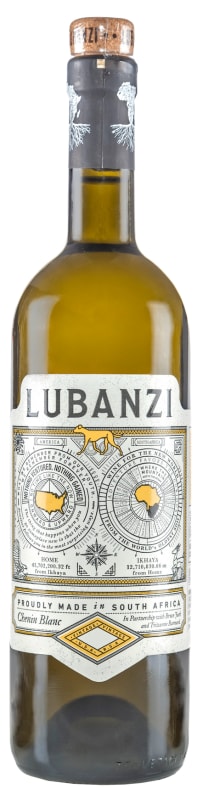


Winemaker Notes
A wine that's as beautiful as Cape Town itself. 100% handpicked Chenin Blanc grown in South Africa's famous Swartland region. Made using a blend of grapes that come from a diverse collection of Swartland soils, with each piece of land putting its own mark on the final product. Made for those warm sunny days that don't seem to end.
Professional Ratings
-
Robert Parker's Wine Advocate
The Lubanzi 2025 Swartland Chenin Blanc blends fruit from two farms: 25-year-old irrigated trellised vines and 150-year-old dry-farmed bush vines. All fruit is whole-bunch pressed and aged three months on the lees in stainless steel with no oak. The older vines contribute fuller stone fruit notes of peach and apricot with length and texture, while the younger parcel offers brightness of lemon and green apple, meeting harmoniously in the middle. Harvest temperatures in southern Swartland can reach 40 degrees Celsius, making timing crucial to preserve freshness and balance. Chenin Blanc remains a star of South Africa, thriving in granite and shale soils that retain just enough moisture to sustain old vines with deep roots through hot, dry summers.
-
James Suckling
Oranges, peaches and baked apples on the nose of this soft and fruity white. It’s medium-bodied, fleshy and straightforward. Sustainable.
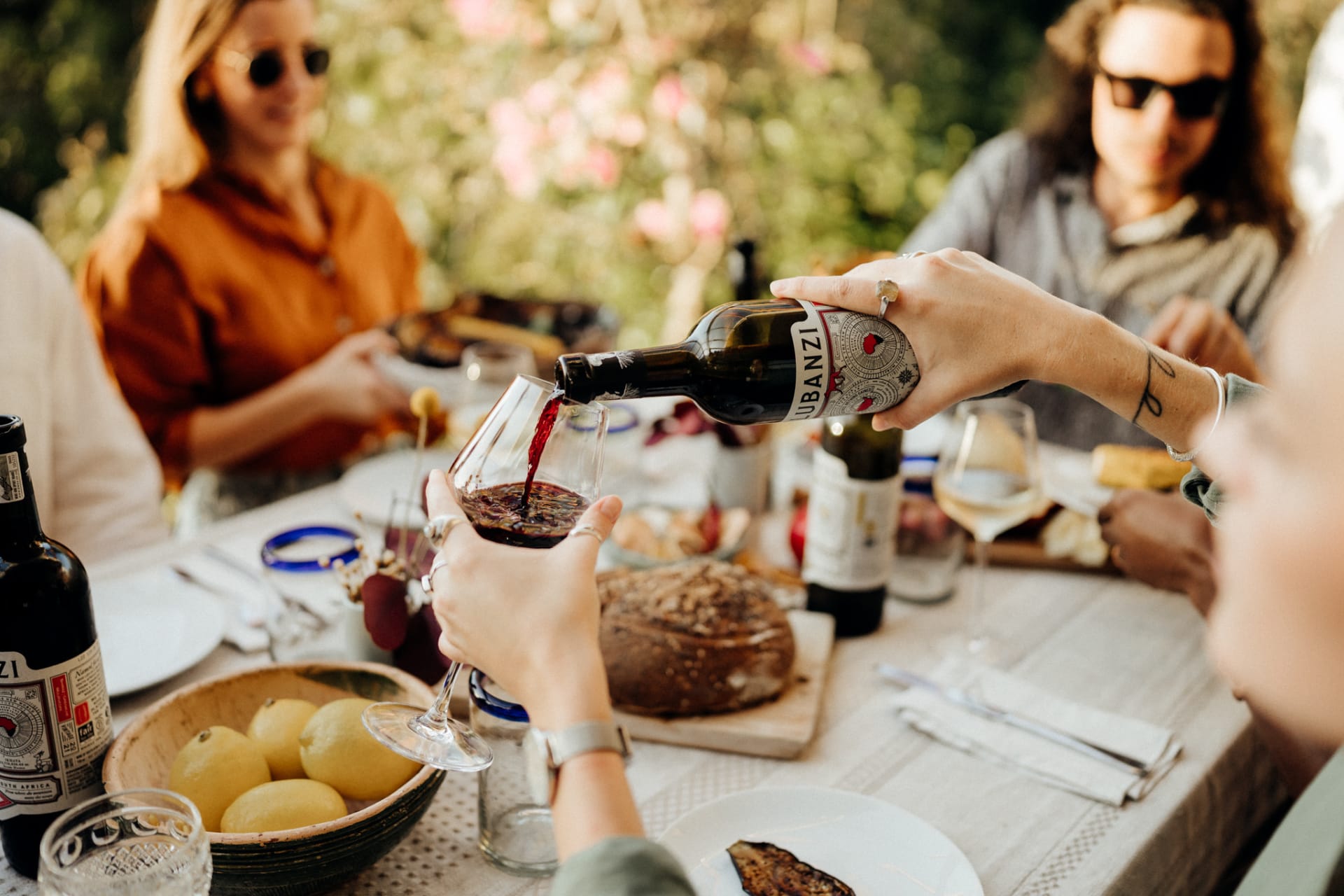



Born in Cape Town and named for a wandering dog who led two young travelers backpacking across South Africa's Wild Coast, Lubanzi is a true start-up, sustainable, and socially-conscious wine co. that focuses on crafting fairly produced wines that punch above their weight and create a difference in the lives of the laborers who work on South Africa's wine farms. Sourcing primarily from Fair for Life Fair Trade & Sustainably farming certified vineyards, giving back to a non-profit that works to improve life for those working on SA’s wine farms & becoming South Africa’s first certified B Corporation winery are all symbols of Lubanzi’s commitment to being a leader in social & environmental responsibility.
Lubanzi is the story of partnerships, of travels, of community, and of the path less traveled. They believe in making wines for adventurers and the rest of the pack, from where the mountain meets the ocean, helping you make a home in new places, and an adventure out of the ones we know by heart.

Unquestionably one of the most diverse grape varieties, Chenin Blanc can do it all. It shines in every style from bone dry to unctuously sweet, oaked or unoaked, still or sparkling and even as the base for fortified wines and spirits. Perhaps Chenin Blanc’s greatest asset is its ever-present acidity, maintained even under warm growing conditions. Somm Secret—Landing in South Africa in the mid 1800s, today the country has double the acreage of Chenin Blanc planted compared to France. There is also a new wave of dedicated producers committed to restoring old Chenin vines.

Literally meaning "the black land," Swartland takes its name from the endangered, indigenous "renosterbos" (translating to rhino bush), which used to be plentiful enough to turn the entire landscape a dark color certain during times of year. The district, attracting some of the most adventurous and least interventionist winemakers, excels in robust and full-bodied reds as well as quality fortified wines.