
Winemaker Notes
You guessed it. A big wine. Just look at the alcohol and you can see why we were trying to blend in a little fatness with the Napa Valley Petite Sirah and Dolcetto. I think it worked. 24 days skin contact gave a lot of meat to the mouth. The first crop of Zinfandel from our Monte Rosso Vineyard was a little deficit in acid but there was such a giant second crop, we picked it separately and brought the acid up. Aging in a combination of 30% barrels and the balance neutral upright tanks softened the wine and enhanced its round fatness. Rubenesque would be more appropriate.
Pungent ripe fruit leaps out of the glass with black raspberry, with plenty of briar and vanillin to butter up the bouquet. The flavors abound in the same fashion as the aromas, filling the mouth and finishing with just a twinge of warmth from the ample alcohol. BIG IS THE WORD! - Michael Martini, Winemaker


Unapologetically bold, spice-driven and jammy, Zinfandel has secured its title as the darling of California vintners by adapting well to the state's diverse microclimates and landscapes. Born in Croatia, it later made its way to southern Italy where it was named Primitivo. Fortunately, the imperial nursery of Vienna catalogued specimens of the vine, and it later made its way to New England in 1829. Parading the true American spirit, Zinfandel found a new home in California during the Gold Rush of 1849. Somm Secret—California's ancient vines of Zinfandel are those that survived the neglect of Prohibition; today these vines produce the most concentrated, ethereal and complex examples.
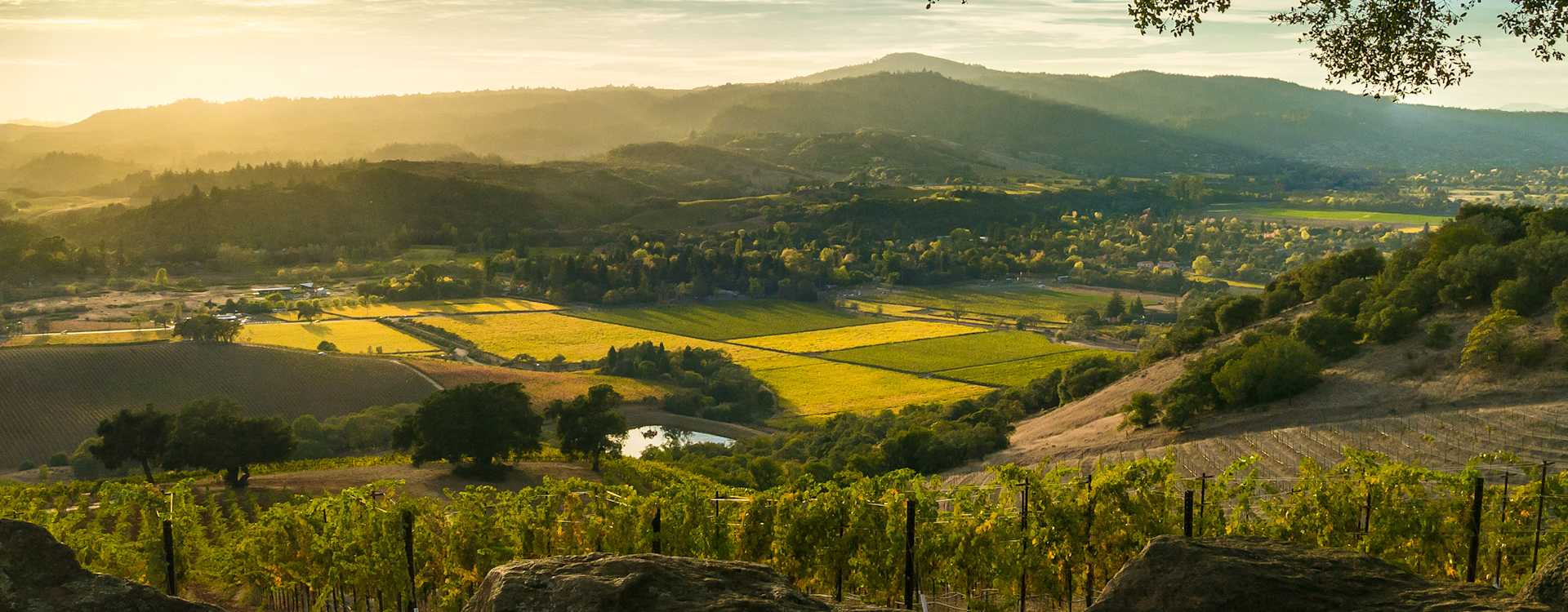
Home to a diverse array of smaller AVAs with varied microclimates and soil types, Sonoma County has something for every wine lover. Physically twice as large as Napa Valley, the region only produces about half the amount of wine but boasts both tremendous quality and variety. With its laid-back atmosphere and down-to-earth attitude, the wineries of Sonoma are appreciated by wine tourists for their friendliness and approachability. The entire county intends to become a 100% sustainable winegrowing region by 2019.
Sonoma County wines are produced with carefully selected grape varieties to reflect the best attributes of their sites—Dry Creek Valley’s consistent sunshine is ideal for Zinfandel, while the warm Alexander Valley is responsible for rich, voluptuous red wines like Cabernet Sauvignon. Chardonnay and Pinot Noir are important throughout the county, most notably in the cooler AVAs of Russian River, Sonoma Coast and Carneros. Sauvignon Blanc, Merlot and Syrah have also found a firm footing here.