


Winemaker Notes
Deep color with a touch of ruby. On the nose, the wine is balanced and complex with several levels of aromas; black fruits such as blackberries or ripe plums, toasted notes of nutmeg, graphite and the classic roasted red pepper typical of the variety. A Carmenère with great complexity on the nose, a young but balanced palate and a pleasant finish.
Professional Ratings
-
Wine Enthusiast
This red doesn't hide the herbaceous character that is typical of Carménère, but these flavors are counterpointed by blackberries and hints of baking spices, making it friendly and enjoyable.
-
Wine Spectator
Notes of marigold and white pepper underscore this red, with lively cherry and plum flavors at the core that take on a richness near the finish, adding a note of bittersweet chocolate. Drink now through 2030. 19,166 cases made, 2,000 cases imported.
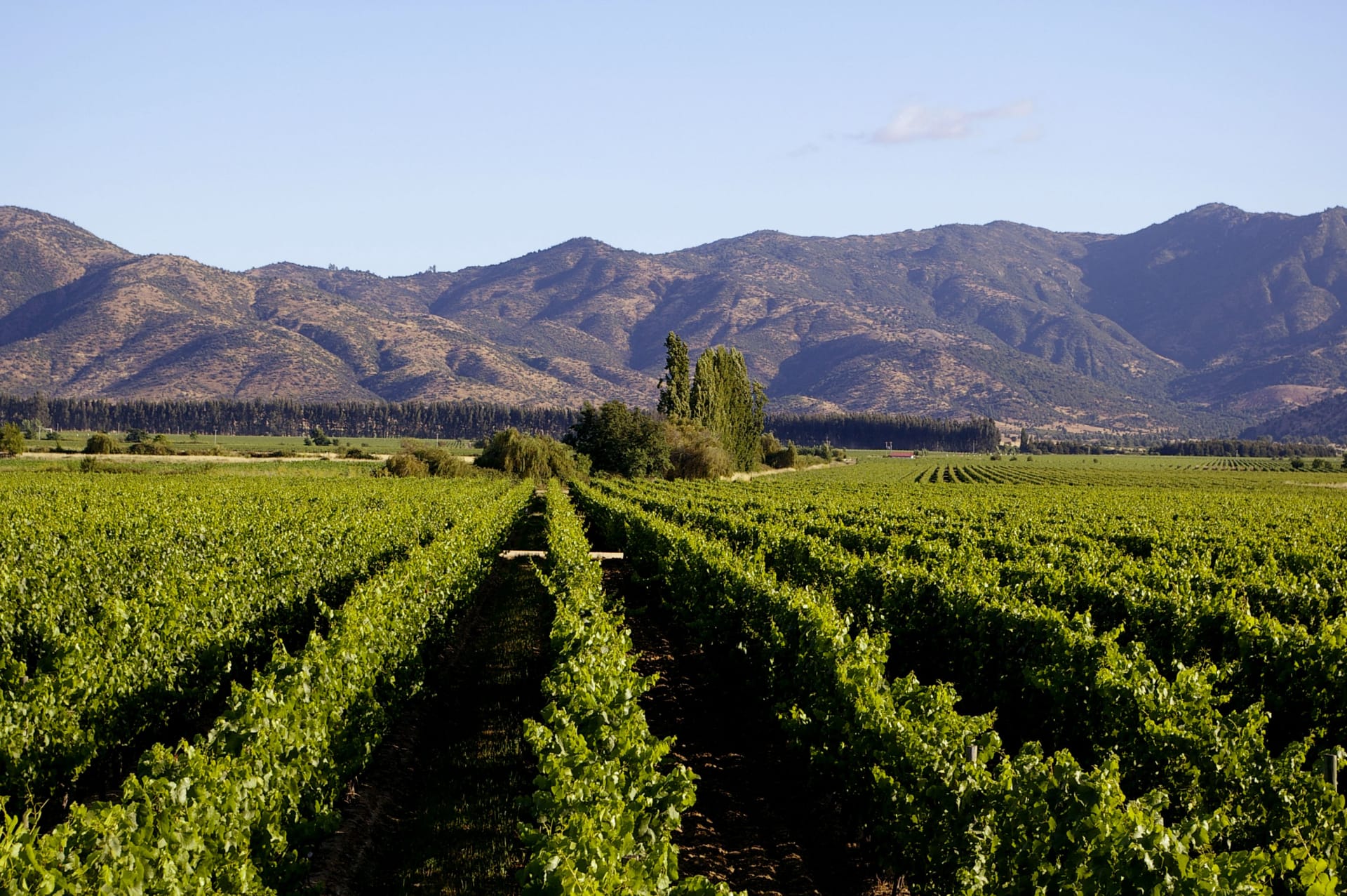




Los Vascos wines blend Lafite tradition with the unique terroir of Chile to create elegant wines that bring exceptional to the everyday. The vision of Domaines Barons de Rothschild (Lafite) to expand their estates took them to South America in 1988, becoming the first French viticultural investment in modern Chile. Since then, a comprehensive modernization and investment program has been undertaken, oriented towards the production of fine wine using and adapting the viticultural experiences of Bordeaux and other areas where Domaines Barons de Rothschild (Lafite) is present.
Los Vascos is located in Valley de Caneten (Colchagua), a closed valley in the central zone of Chile, approximately 25 miles from the sea. The valley provides a perfect microclimate for high quality viticulture, with Northern exposure to lands uncontaminated by airborne or water-borne pollutants. Daily on-shore winds provide temperature changes between 68-77°F, for optimum maturation of the grapes. With 1581 acres, it is one of the largest vineyards in the central Colchagua valley, at the foot of Mount Cañeten.
Between 1989 and 1995 Winemaker Marcelo Gallardo studied at Universidad Austral de Chile graduating with a degree in Agronomy engineering. Marcelo continued his education studying and graduating from Universidad de Chile between 1998 and 1999 with a degree in Enology and Viticulture in Santiago. In 1999, Marcelo worked as an assistant winemaker at Viña Santa Rita in the Maipo Valley, and interned at Bodega Sandeman, Oporto-Duero in Portugal. After Portugal he performed a harvest at Domain Jandeau in Burgundy, France. Working for Viña Los Vascos since 2000, he became the Chief Winemaker and Production Manager in 2006. Marcelo routinely visits the other Domaines Barons de Rothschild (Lafite) properties to bring L’Esprit Lafite to Viña Los Vascos. In addition, he collaborates on the latest developments in technology from top Universities and vineyards.

Dark, full-bodied and herbaceous with a spicy kick, Carménère found great success with its move to Chile in the mid-19th century. However, the variety went a bit undercover until 1994 when many plantings previously thought to be Merlot, were profiled as Carménère. Somm Secret— Carménère is both a progeny and a great-grandchild of the similarly flavored Cabernet Franc.

Well-regarded for intense and exceptionally high quality red wines, the Colchagua Valley is situated in the southern part of Chile’s Rapel Valley, with many of the best vineyards lying in the foothills of the Coastal Range.
Heavy French investment and cutting-edge technology in both the vineyard and the winery has been a boon to the local viticultural industry, which already laid claim to ancient vines and a textbook Mediterranean climate.
The warm, dry growing season in the Colchagua Valley favors robust reds made from Cabernet Sauvignon, Carmenère, Malbec and Syrah—in fact, some of Chile’s very best are made here. A small amount of good white wine is produced from Chardonnay and Sauvignon Blanc.