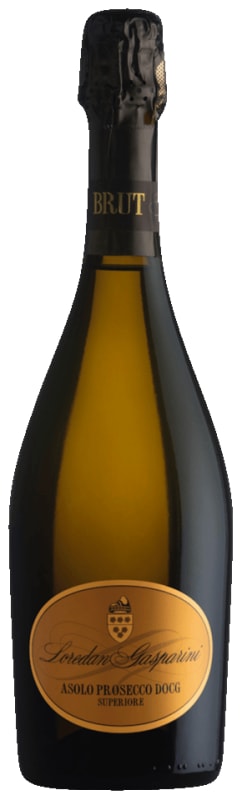


Winemaker Notes
Slight creamy notes on top of the floral perfume. Very pleasant, elegant and intense flavor.
A refreshing wine to pair with antipasti, fruits, chocolate and light desserts.
Blend: 100% Glera
Professional Ratings
-
James Suckling
Lots of initial froth here, which takes a while to subside and allow the lovely lemon and lemon blossom aromas to rise out of the glass. There are hints of licoricy chalk here, too. On the rather dense palate, the chalk turns to fresh cream and the lemon is absorbed into the creamy mineral texture with enough fizz to keep the sparkle up. Lovely, enduring and creamy yet biting finish. This is very fine Prosecco.


A term typically reserved for Champagne and Sparkling Wines, non-vintage or simply “NV” on a label indicates a blend of finished wines from different vintages (years of harvest). To make non-vintage Champagne, typically the current year’s harvest (in other words, the current vintage) forms the base of the blend. Finished wines from previous years, called “vins de reserve” are blended in at approximately 10-50% of the total volume in order to achieve the flavor, complexity, body and acidity for the desired house style. A tiny proportion of Champagnes are made from a single vintage.
There are also some very large production still wines that may not claim one particular vintage. This would be at the discretion of the winemaker’s goals for character of the final wine.

One of the world’s most popular and playful sparkling wines, Prosecco is a specialty of northeastern Italy, spanning nine provinces of the Veneto and Fruili-Venezia Giulia regions. A higher-quality version of Prosecco wine that must meet more stringent production requirements is known as Prosecco Superiore and must come from the more rugged terrain between the towns of Valdobiaddene and Conegliano. Prosecco can be produced as a still wine, a semi-sparkling wine (“frizzante”), or a fully sparkling wine (“spumante”)—the latter being the most common. While Prosecco wine is typically produced in a “brut” (dry) style, its fresh and fruity character makes it seem a bit sweeter than it actually is. “Extra dry” styles, incorporating higher levels of residual sugar, are quite popular, however.
Prosecco wine is made from the Glera grape, which was formerly and confusingly called Prosecco, these wines are notable for pleasant flavors of peach, pear, melon, green apple, and honeysuckle. Lower pressure during the carbonation process (also called the tank method) means that the bubbles are lighter and frothier than in Champagne or other traditional method sparkling wine, and less persistent. Prosecco is also a great choice to blend with orange juice for mimosas for a classic brunch beverage.