
Winemaker Notes
The grapes were harvested on October 7 at 24.7 Brix. The juice was settled for 36 hours, then transferred to another tank for the start of fermentation. Just a few days after the start of fermentation the juice was transferred to French oak barrels for the completion of fermentation. The wine was aged "sur lies" for eleven months in French oak barrels, one third of which were new barrels. This vintage underwent only about 50% malo-lactic conversion.
The wine has a very attractive, spicy array of aromas, with a hint of the oak vanillin. On the palate the wine is rich, full bodied, yet has a great acid balance, which after three years of working with this vineyard, I feel is unique to this vineyard. This may be the best-balanced Chardonnay we produced in 2000.
This is definitely a wine that deserves to be bottle aged as long as one might age a typical white Burgundy.
Professional Ratings


One of the most popular and versatile white wine grapes, Chardonnay offers a wide range of flavors and styles depending on where it is grown and how it is made. While it tends to flourish in most environments, Chardonnay from its Burgundian homeland produces some of the most remarkable and longest lived examples. California produces both oaky, buttery styles and leaner, European-inspired wines. Somm Secret—The Burgundian subregion of Chablis, while typically using older oak barrels, produces a bright style similar to the unoaked style. Anyone who doesn't like oaky Chardonnay would likely enjoy Chablis.
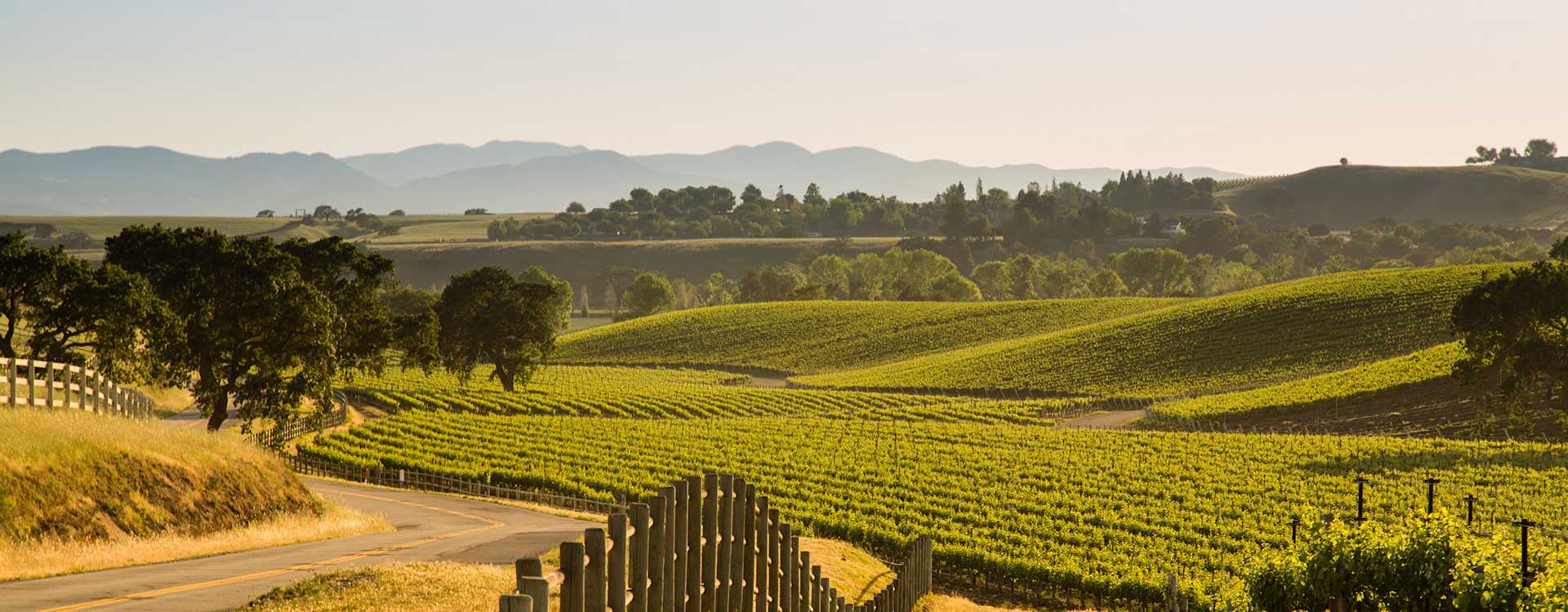
A superior source of California Chardonnay and Pinot Noir, Sta. Rita Hills is the coolest, westernmost sub-region of the larger Santa Ynez Valley appellation within Santa Barbara County. This relatively new AVA is unquestionably one to keep an eye on.
The climate of Sta. Rita Hills is a natural match for Chardonnay and Pinot noir, thanks to the crisp ocean breezes and well-drained, limestone-rich calcareous soil. Here, grapes ripen just enough, while retaining brisk acidity and harmonious balance.