
Winemaker Notes
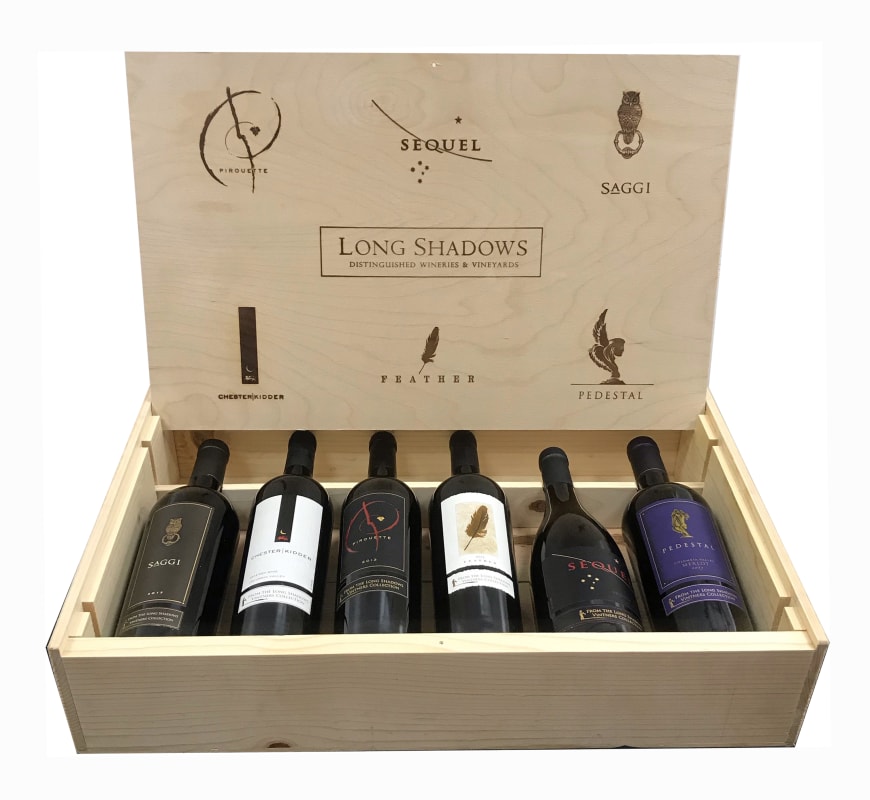
Each Case Contains:
Saggi 2013 Columbia Valley Red (93 points, Robert Parker's Wine Advocate - Another candidate for the best vintage to date of a cuvee, the 2012 Saggi is a blend of 59% Sangiovese, 33% Cabernet Sauvignon and 8% Syrah that comes from fractured basalt and sandy loam soils and spent 18 months in 55% new French oak. It offers perfumed, savory notes of dried flowers, Asian spice, new leather and sweet black cherries to go with a full-bodied, voluptuous, layered and seamless style on the palate. Giving up real Sangiovese character, with the Cabernet and Syrah taking a back seat, it should evolve nicely for 2-3 years and keep for over a decade.)
Chester Kidder 2012 Red (93 points, Robert Parker's Wine Advocate - The finest vintage for the cuvee to date, the 2012 Chester Kidder is 66% Cabernet Sauvignon, 23% Syrah and 11% Petit Verdot, all of which saw a long 40-day maceration followed by just under three years in barrel. It’s a serious, age-worthy beauty that sports an inky purple color to go with notes of ripe black currants, toast oak, spice-box and espresso roast. Full-bodied, luxuriously textured and concentrated, it has ample underlying tannin and needs 4-5 years of cellaring. It will see its 30th birthday in fine form!)
Pirouette 2013 Red (93 points, Robert Parker's Wine Advocate - While a step back from the blockbuster 2012, Philippe Melka’s 2013 Pirouette is no slouch and offers serious amounts of ripe black cherry fruits, graphite, hints of chocolate and plenty of sweet oak in a beautifully concentrated, ripe, textured package. Made from 63% Cabernet Sauvignon, 20% Merlot, 12% Petit Verdot and 5% Cabernet Franc (mostly from Red Mountain) that spent 22 months in 75% new French oak, give bottle 3-5 years in the cellar and enjoy over the following decade or more.)
Feather 2013 Cabernet Sauvignon (95 points, Robert Parker's Wine Advocate - I loved the 2013 Cabernet Sauvignon Feather by Randy Dunn, and it’s a firm, tannic, classically styled Cabernet Sauvignon that has terrific intensity and concentration. Black fruits, scorched earth, chocolate and hints of graphite all dominate the bouquet, and its full-bodied, tight and compact on the palate, with a power-packed, tannic finish. Forget bottles for 3-4 years and drink over the following two decades.)
Sequel 2013 Syrah (91-93 points, Robert Parker's Wine Advocate - The only 2013 not yet in bottle, the 2013 Syrah Sequel (there’s 8% Cabernet Sauvignon in the blend) gives up a big, rich, decadent style as well as lots of ripe black fruits, caramelized meats, licorice and wood-smoke like aromas and flavors. In a vintage that too often comes up short on texture and richness, this beauty delivers in spades. It should drink nicely right out of the gate.)
Pedestal 2013 Merlot (94 points, Robert Parker's Wine Advocate - One of my favorites in the 2013 lineup is the 2013 Pedestal Merlot. Made by Michel Rolland and blended with 10% Cabernet Sauvignon, 9% Petit Verdot and smaller parts Malbec and Cabernet Franc, aged 22 months in 85% new French oak, its deep purple color is followed by fabulous notes of plums, coffee beans, spice box and sweet oak in a full-bodied, decadent, ripe and expansive package. In general, Cabernet was more successful than Merlot in 2013, but you wouldn’t know it by tasting this beauty. Drink it anytime over the coming decade.)
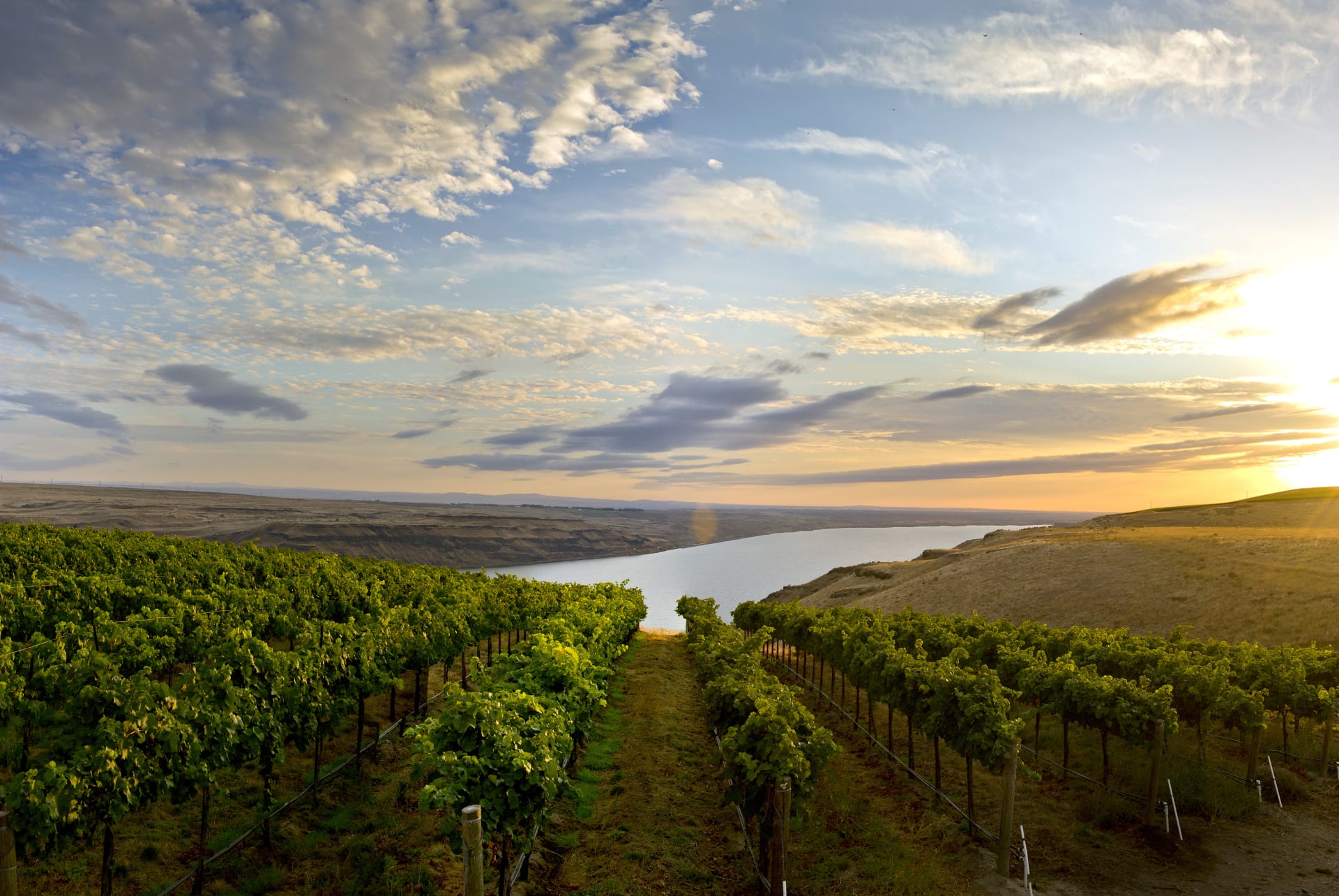



Long Shadows Vintners is a collection of seven ultra-premium wines, each built on the unique expertise of some of the world's most highly-regarded winemakers to showcase the viticultural quality and caliber of Washington State's Columbia Valley.
Founded by Washington wine visionary Allen Shoup in 2002, Long Shadows is the continuation of Allen's ongoing ambition to bring international recognition to the Columbia Valley. His idea for Long Shadows was as simple as it was complex. Recruit seven internationally acclaimed winemakers; give each access to Washington State's best grapes; and outfit a winery to the vintner’s exacting cellar specifications. The result, in effect, is seven stand-alone wineries, under one roof.
Since the beginning, Long Shadows' director of winemaking and viticulture Gilles Nicault, has overseen the operations of the winery and worked closely with the vintners to bring each winemaker's vision to completion. Internationally renowned winemakers Randy Dunn (Feather Cabernet Sauvignon); John Duval (Sequel Syrah); Philippe Melka (Pirouette Red Wine); and Michel Rolland (Pedestal Merlot) are active partners in their respective wines. Gilles now crafts Poet’s Leap Riesling and Saggi (Sangiovese/Cabernet Sauvignon) in styles that remain true to their original winemakers, Armin Diel and Giovanni Folonari respectively. Gilles crafts Chester-Kidder, a Cabernet Sauvignon/Syrah blend, independently.
Gilles works closely with the state's top growers to execute a diverse winemaking protocol at Long Shadows' state-of-the-art facility in Walla Walla to produce wines of exceptional quality, true to the Columbia Valley's terroir.

With generous fruit and supple tannins, Merlot is made in a range of styles from everyday-drinking to world-renowned and age-worthy. Merlot is the dominant variety in the wines from Bordeaux’s Right Bank regions of St. Emilion and Pomerol, where it is often blended with Cabernet Franc to spectacular result. Merlot also frequently shines on its own, particularly in California’s Napa Valley. Somm Secret—As much as Miles derided the variety in the 2004 film, Sideways, his prized 1961 Château Cheval Blanc is actually a blend of Merlot and Cabernet Franc.

A large and geographically diverse AVA capable of producing a wide variety of wine styles, the Columbia Valley AVA is home to 99% of Washington state’s total vineyard area. A small section of the AVA even extends into northern Oregon!
Because of its size, it is necessarily divided into several distinctive sub-AVAs, including Walla Walla Valley and Yakima Valley—which are both further split into smaller, noteworthy appellations. A region this size will of course have varied microclimates, but on the whole it experiences extreme winters and long, hot, dry summers. Frost is a common risk during winter and spring. The towering Cascade mountain range creates a rain shadow, keeping the valley relatively rain-free throughout the entire year, necessitating irrigation from the Columbia River. The lack of humidity combined with sandy soils allows for vines to be grown on their own rootstock, as phylloxera is not a serious concern.
Red wines make up the majority of production in the Columbia Valley. Cabernet Sauvignon is the dominant variety here, where it produces wines with a pleasant balance of dark fruit and herbs. Wines made from Merlot are typically supple, with sweet red fruit and sometimes a hint of chocolate or mint. Syrah tends to be savory and Old-World-leaning, with a wide range of possible fruit flavors and plenty of spice. The most planted white varieties are Chardonnay and Riesling. These range in style from citrus and green apple dominant in cooler sites, to riper, fleshier wines with stone fruit flavors coming from the warmer vineyards.