

Winemaker Notes
Professional Ratings
-
Robert Parker's Wine Advocate
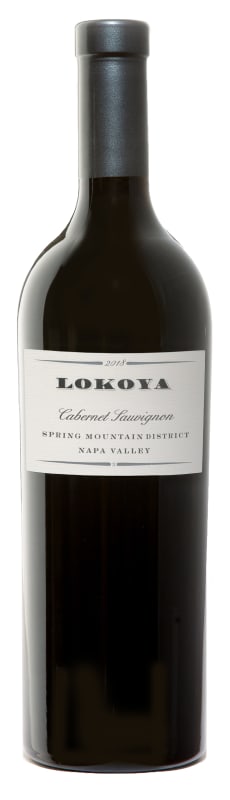
Made from 100% Cabernet Sauvignon, the 2018 Cabernet Sauvignon Spring Mountain was aged in French oak for 22 months, 92% new. Deep garnet-purple colored, the nose is a little closed to begin, slowly unfurling to reveal earthy/rocky scents over a core of black currants, blackberries and mulberries with emerging hints of pencil lead and green peppercorns. Medium to full-bodied, the palate has a rock-solid frame of firm, grainy tannins and bold freshness with loads of mineral suggestions intertwined with the black fruits, finishing long with some evocative floral notes coming through.
-
Wine Spectator
Starts lush, with a broad wave of cassis, boysenberry and blackberry preserves, but its mountain persona soon asserts itself, adding bramble, violet and sweet bay leaf notes while a strong graphite spine rivets the finish in place. All that and there's a mouthwatering feel as well. This should cruise in the cellar. Best from 2022 through 2038. 918 cases made.


A noble variety bestowed with both power and concentration, Cabernet Sauvignon enjoys success all over the globe, its best examples showing potential to age beautifully for decades. Cabernet Sauvignon flourishes in Bordeaux's Medoc where it is often blended with Merlot and smaller amounts of some combination of Cabernet Franc, Malbecand Petit Verdot. In the Napa Valley, ‘Cab’ is responsible for some of the world’s most prestigious, age-worthy and sought-after “cult” wines. Somm Secret—DNA profiling in 1997 revealed that Cabernet Sauvignon was born from a spontaneous crossing of Cabernet Franc and Sauvignon Blanc in 17th century southwest France.

Above the town of St. Helena on the eastern slopes of the Mayacamas Mountains sits the Spring Mountain District.
A dynamic region, its vineyards, cut by numerous springs and streams, vary in elevation, slope and aspect. Soils differ throughout with over 20 distinct types inside of the 8,600 acres that define the appellation. Within that area, only about 1,000 are planted to vineyards. Predominantly farmed by small, independent producers, the region currently has just over 30 wineries.
During the growing season, late afternoon Pacific Ocean breezes reach the Spring Mountain vineyards, which sit at between 400 and 1,200 feet. Daytime temperatures during mid summer and early fall remain slightly cooler than those of the valley floor.
Spring Mountain soils—volcanic matter and sedimentary rock—create intense but balanced reds with lush and delicate tannins. The area excels with Bordeaux varieties such as Cabernet Sauvignon, Cabernet Franc and Merlot and in some cooler spots, Chardonnay.