


Winemaker Notes
The nose is complex with an elegant varietal expression. Floral and fruity aromas intertwine: notes of broom and freesia petals alternate with hints of candied lemon peel, yellow plum pulp and litchi. The scent is accompanied by a fine minerality. The palate is full and harmonious, rich in enveloping notes of lily of the valley, chamomile, elderberry, which continue with good persistence to express a pleasant mineral return in the finish, supported by sensations of bergamot, mango and pear.
Professional Ratings
-
Vinous
The 2023 Friulano is a vibrant golden color. It blends citrus zest and crushed green apples with nuances of ginger. This wine sweeps across the palate with ease, impressing with a note of sour melon that excites the senses. The 2023 tapers off with tension, leaving an herbal tinge and the senses salivating as a saline flourish lingers. Interesting yet captivating all at once.
-
Wine Enthusiast
Here's a beauty that shows why Friulano is Friuli's pride and joy. The nose weaves together baked and dried apricots with chestnut honey and gentle pressed chamomile flowers. On the palate, it's like nature's stone fruit platter - all glistening and sun-ripened - complemented by salted marcona almonds. The texture is rich yet energetic, with just enough acidity to keep things lively. This is begging for simple grilled fare - throw some salt-and-pepper spare ribs on the grill, or try it with charred cauliflower and spiced romesco sauce.
-
James Suckling
A light, elegant wine with aromas of tangerines, sage, peaches and Mirabelle plums. Very floral as well. Medium-bodied with a silky, almost oily texture, moderate yet refreshing acidity and a good, polished aftertaste. Drink or hold.
-
Wine Spectator
A silky white, with almond blossom and creamed macadamia nut notes layered with well-cut acidity, plus flavors of vanilla, baked white peach and verbena. A tang of salinity cleans the finish. Drink now through 2030. 100 cases imported.


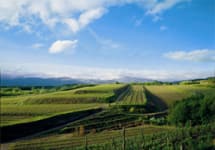
The 500-acre Livio Felluga Estate includes 370 acres of rolling hillside vineyards in the Collio and Colli Orientali del Friuli. Friuli's temperate climate, protected by the Alps to the north and moderated by the Adriatic Sea to the south is a winemaker's dream. The sparse soil of marl and calcareous deposits is ideal for the white varieties, and also for their complex red wines.
Felluga does not believe in undistinguished, homogenous wine styles, but rather focuses on subtle, elegant expressions of wines made from grapes which have been grown in Friuli for centuries. Balance and clarity are the hallmarks of these wines, with minimum influence from oak and maximum freshness.

Thriving in the NE Italian region of Friuli-Venezia Giulia near the border of Slovenia, Friulano makes a uniquely high-pitched and vibrant white with a delicate perfume. Extensive in the area by the early 1930s, today Friulano grows in all of the best zones and is usually, but not always, bottled as a single-varietal wine. Somm Secret— The Friulano grown today, while named for its present home of Friuli, is actually the Sauvignonasse grape, a minor cultivar that came from Bordeaux.

Viticulture has thrived in Colli Orientali del Friuli since the reign of ancient Rome and today its verdant, rolling hills support a long list of autochthonous varieties, each playing a unique and important role in the modern Colli Orientali wine scene.
The region is primarily recognized for its white wines. Its indigenous varieties of Ribolla Gialla, Verduzzo, Picolit and perhaps most importantly, Friulano are made into single varietal wines or blended, and often blended with the international varieties of Sauvignon blanc, Pinot grigio and Pinot bianco. The latter have been flourishing in the area since the 1800s. But it wasn’t until the 1970s when producers started using cold fermentation techniques to produce fresh, fruity, crisp and aromatic whites that this area began to attract international attention.
While reds only make up about a third of the area under vine, Colli Orientali is home to some of Italy’s most exciting and rare red wines. Refosco, Schioppettino, Tazzelenghe and Pignolo are among the autochthonous varieties while Merlot, Cabernet Sauvignon and Pinot Noir also have a stronghold.
Colli Orientali holds much in common with its neighbor, Collio; the only thing dividing them is a political line. Both are influenced by the cooling effects of the Julian Alps and moderated by the Adriatic Sea. A unique soil of alternating marine layers called flysch also dominates Colli Orientali, providing a mineral-rich environment for vine roots and optimal water drainage.