


Winemaker Notes
This expressive viognier, grown on rose-quartz soil, seduces you with the beautiful perfume of honeysuckle and orange blossom and a textured palate of apricot, kiwi and pineapple. A sensual and exotic experience. Barrel fermented and aged. Enjoy it now or allow it to gain complexity with further cellaring.
Professional Ratings
-
Robert Parker's Wine Advocate
Devastatingly gorgeous in the glass, the 2020 The Age of Grace Viognier exudes finesse, refinement and precision with a beautifully floral and aromatically lifted nose, compounded by oak essences, tropical and stone fruit aromas and a cereal grain element. Full-bodied, luscious and compact, the Viognier unfolds in the mouth with layers of complexity as it struts across the mid-palate with meticulous purity. It offers flavors of apricots, white peach, popcorn kernel, caramel apple, pineapple and cream of wheat along with a balanced structure and a kiss of phenolic bitterness. The wine explodes on the finish, showcasing ripeness of fruit and varietal purity. Another stellar Lismore bottling for the books. Samantha O’Keefe has done it again.

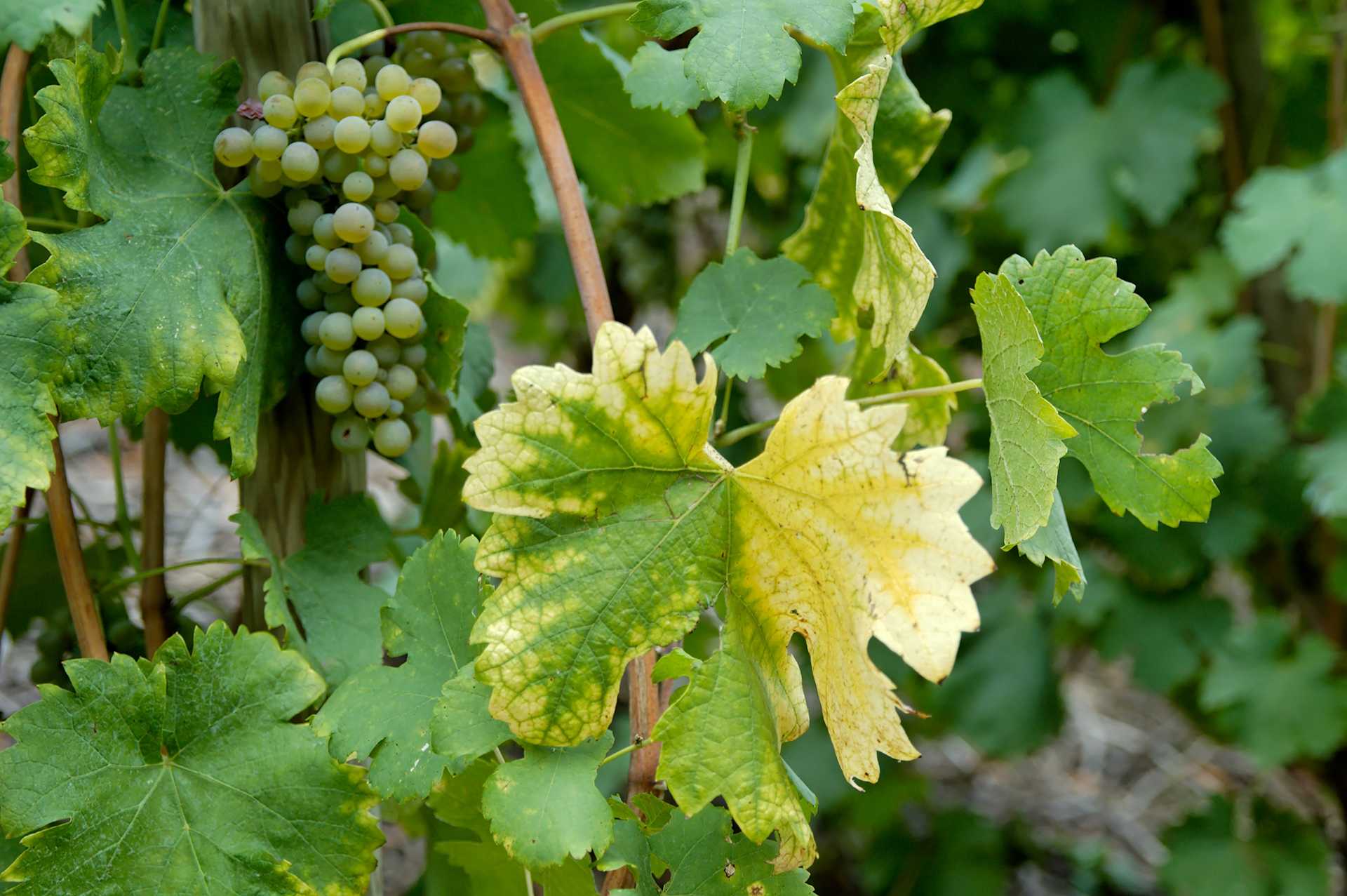
Full-figured and charmingly floral, Viognier is one of the most important white grapes of the northern Rhône where it is used both to produce single varietal wines and as an important blending grape. Look for great New World examples from California, Oregon, Washington and cooler parts of Australia. Somm Secret—Viognier plays a surprisingly important role in the red wines of Côte Rôtie in the northern Rhône. About 5% Viognier is typically co-fermented with the Syrah in order to stabilize the color, and as an added benefit, add a subtle perfume.

With an important wine renaissance in full swing, impressive red and white bargains abound in South Africa. The country has a particularly long and rich history with winemaking, especially considering its status as part of the “New World.” In the mid-17th century, the lusciously sweet dessert wines of Constantia were highly prized by the European aristocracy. Since then, the South African wine industry has experienced some setbacks due to the phylloxera infestation of the late 1800s and political difficulties throughout the following century.
Today, however, South Africa is increasingly responsible for high-demand, high-quality wines—a blessing to put the country back on the international wine map. Wine production is mainly situated around Cape Town, where the climate is generally warm to hot. But the Benguela Current from Antarctica provides brisk ocean breezes necessary for steady ripening of grapes. Similarly, cooler, high-elevation vineyard sites throughout South Africa offer similar, favorable growing conditions.
South Africa’s wine zones are divided into region, then smaller districts and finally wards, but the country’s wine styles are differentiated more by grape variety than by region. Pinotage, a cross between Pinot Noir and Cinsault, is the country’s “signature” grape, responsible for red-fruit-driven, spicy, earthy reds. When Pinotage is blended with other red varieties, like Cabernet Sauvignon, Merlot, Syrah or Pinot Noir (all commonly vinified alone as well), it is often labeled as a “Cape Blend.” Chenin Blanc (locally known as “Steen”) dominates white wine production, with Chardonnay and Sauvignon Blanc following close behind.