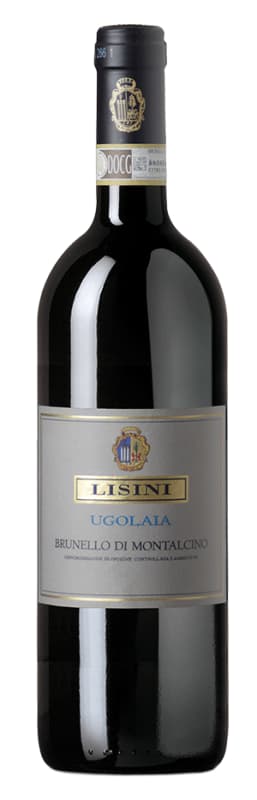


Winemaker Notes
Professional Ratings
-
Decanter
Lisini’s single-vineyard selection is its usual exotic self in 2017. It opens with a heady mix of incense, juniper, pressed lilac and lavender. There's also that polished wood nuance which I associate with the wine finishing in chestnut cask for six months. Even more dense than the estate’s annata Brunello, the hearty palate presents flavours of myrtle and currants offset by an appetising inner saline core. This boasts gusto and chew, and those sizeable tannins demand another year in the bottle but are admirably lush. Definitely one of the vintage’s successes.
-
Wine Spectator
Lush and fruity, this red delivers cherry, raspberry, eucalyptus, wild rosemary and mineral flavors backed by vibrant acidity and dense, refined tannins. Offers an overall sense of balance, with a long, savory aftertaste marked by fruit and mineral elements. Best from 2025 through 2043.
-
James Suckling
Full-bodied with ripe and dried cherries, spiced plums, chocolate and blueberries, supported by polished tannins. Well-integrated spice and dried flowers, too. Ripe and expansive, with a soft and mellow texture that makes it very approachable and satisfying. Drink or hold.
-
Robert Parker's Wine Advocate
From a hot and very dry vintage, the 2017 Brunello di Montalcino Ugolaia reveals a dark garnet color with extra concentration and textural richness. The bouquet is redolent of dark fruit, baked plum and toasted spice. Ugolaia is layered and rich, but despite the vintage intensity, the mouthfeel is medium in length and the wine finishes with bright freshness.


Among Italy's elite red grape varieties, Sangiovese has the perfect intersection of bright red fruit and savory earthiness and is responsible for the best red wines of Tuscany. While it is best known as the chief component of Chianti, it is also the main grape in Vino Nobile di Montepulciano and reaches the height of its power and intensity in the complex, long-lived Brunello di Montalcino. Somm Secret—Sangiovese doubles under the alias, Nielluccio, on the French island of Corsica where it produces distinctly floral and refreshing reds and rosés.

Famous for its bold, layered and long-lived red, Brunello di Montalcino, the town of Montalcino is about 70 miles south of Florence, and has a warmer and drier climate than that of its neighbor, Chianti. The Sangiovese grape is king here, as it is in Chianti, but Montalcino has its own clone called Brunello.
The Brunello vineyards of Montalcino blanket the rolling hills surrounding the village and fan out at various elevations, creating the potential for Brunello wines expressing different styles. From the valleys, where deeper deposits of clay are found, come wines typically bolder, more concentrated and rich in opulent black fruit. The hillside vineyards produce wines more concentrated in red fruits and floral aromas; these sites reach up to over 1,600 feet and have shallow soils of rocks and shale.
Brunello di Montalcino by law must be aged a minimum of four years, including two years in barrel before realease and once released, typically needs more time in bottle for its drinking potential to be fully reached. The good news is that Montalcino makes a “baby brother” version. The wines called Rosso di Montalcino are often made from younger vines, aged for about a year before release, offer extraordinary values and are ready to drink young.