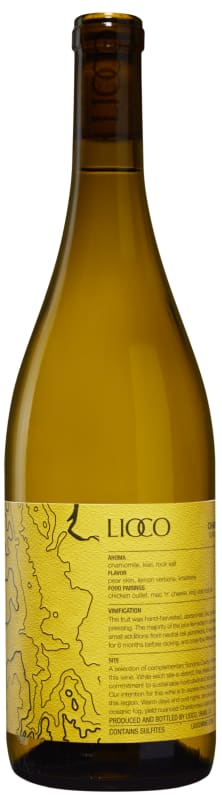


Winemaker Notes
Aromas of chamomile, kiwi, and rock salt. Flavor of pear skin, lemon verbena, and limestone. Pair with chicken cutlet, mac 'n' cheese, or king crab tostada.
The fruit was hand-harvested, destemmed, and gently crushed before pressing. The majority of the juice fermented in stainless steel tanks with small additions from neutral oak puncheons. It was kept on gross leesfor 6 months before racking, and cross-flow filtered prior to bottling.
A selection of complementary Sonoma County vineyards compose this wine. While each site is distinct, they share a common commitment to sustainable horitculture and strident farming. Our intention for this wine is to express the unique character of this region. Warm days and cool nights, tempered by consistent oceanic fog, yield nuanced Chardonnays balanced by brisk acidity.


One of the most popular and versatile white wine grapes, Chardonnay offers a wide range of flavors and styles depending on where it is grown and how it is made. While it tends to flourish in most environments, Chardonnay from its Burgundian homeland produces some of the most remarkable and longest lived examples. California produces both oaky, buttery styles and leaner, European-inspired wines. Somm Secret—The Burgundian subregion of Chablis, while typically using older oak barrels, produces a bright style similar to the unoaked style. Anyone who doesn't like oaky Chardonnay would likely enjoy Chablis.
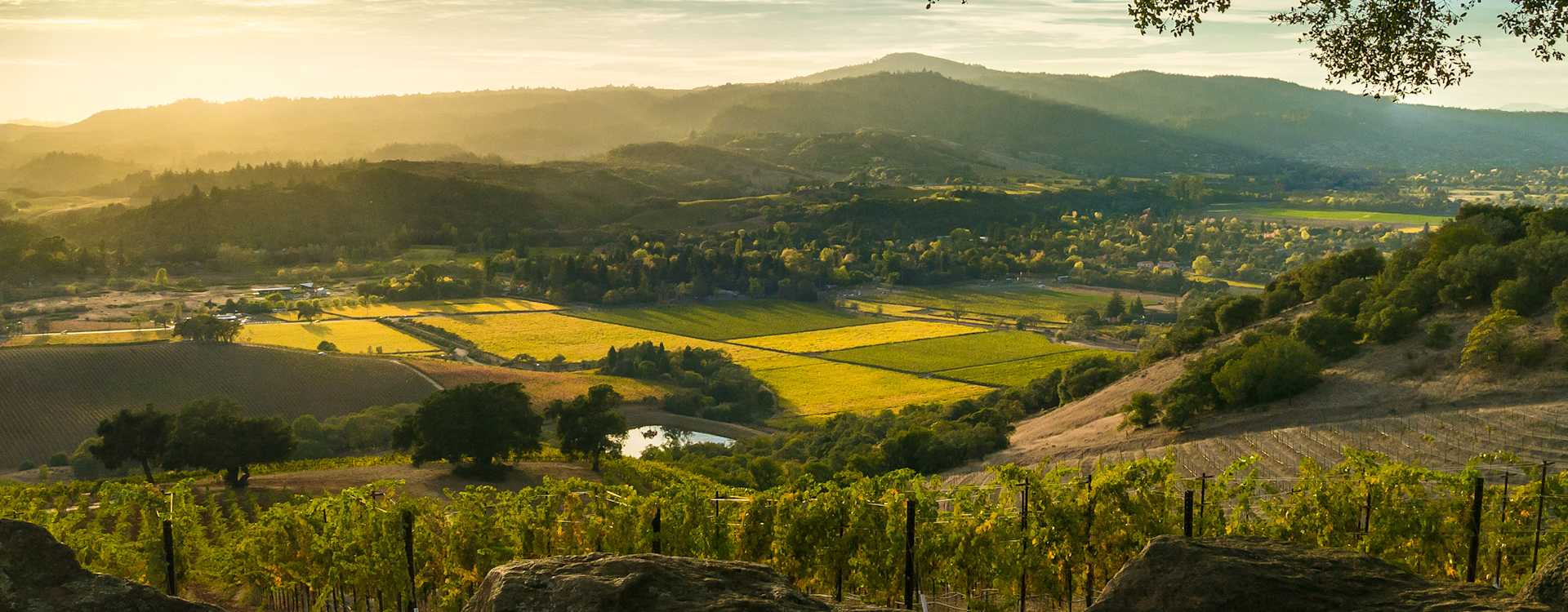
Home to a diverse array of smaller AVAs with varied microclimates and soil types, Sonoma County has something for every wine lover. Physically twice as large as Napa Valley, the region only produces about half the amount of wine but boasts both tremendous quality and variety. With its laid-back atmosphere and down-to-earth attitude, the wineries of Sonoma are appreciated by wine tourists for their friendliness and approachability. The entire county intends to become a 100% sustainable winegrowing region by 2019.
Sonoma County wines are produced with carefully selected grape varieties to reflect the best attributes of their sites—Dry Creek Valley’s consistent sunshine is ideal for Zinfandel, while the warm Alexander Valley is responsible for rich, voluptuous red wines like Cabernet Sauvignon. Chardonnay and Pinot Noir are important throughout the county, most notably in the cooler AVAs of Russian River, Sonoma Coast and Carneros. Sauvignon Blanc, Merlot and Syrah have also found a firm footing here.