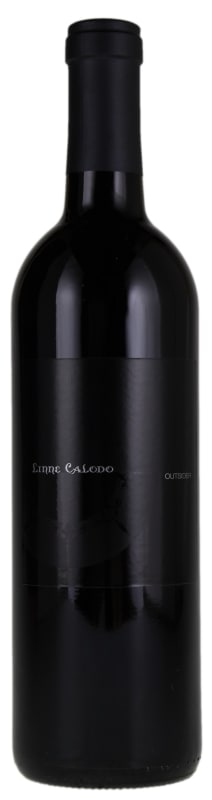


Winemaker Notes
The Outsider wine is an experiment in vineyard terroir and soil intricacies. The zinfandel is sourced from northern facing slopes as well as lower lying areas where the soil is deeper and the temperatures are cooler. These factors produce less acid in the grape, allowing for this wine to gain an edge of spice and earth.
Blend: 82% Zinfandel, 7% Syrah, 7% Mourvedre, 4% Graciano
Professional Ratings
-
Jeb Dunnuck
The Zinfandel-based 2016 Outsider gives up complex, textbook notes of sweet red and black fruits, cedarwood, white pepper, and incense. This is a classic Zinfandel that carries loads of fruit and richness yet stays light, elegant, and graceful on the palate, with terrific purity and freshness. It’s already impossible to resist, and I see no need to delay gratification either. The blend is 82% Zinfandel, 7% each of Syrah and Mourvèdre, and the balance Graciano, all brought up in new and neutral American oak.
-
Wilfred Wong of Wine.com
COMMENTARY: The 2016 Linne Calodo Outsider, made primarily from Zinfandel, is an impressive wine offering excellent complexity. TASTING NOTES: This wine is not just a fruit bomb. Its aromas and flavors of ripe berries and attractive savory spices stand out as a wine of distinction. Pair it with a garlic-infused rosemary leg of lamb. (Tasted: April 29, 2019, San Francisco, CA)


With hundreds of red grape varieties to choose from, winemakers have the freedom to create a virtually endless assortment of blended red wines. In many European regions, strict laws are in place determining the set of varieties that may be used, but in the New World, experimentation is permitted and encouraged resulting in a wide variety of red wine styles. Blending can be utilized to enhance balance or create complexity, lending different layers of flavors and aromas. For example, a red wine blend variety that creates a fruity and full-bodied wine would do well combined with one that is naturally high in acidity and tannins. Sometimes small amounts of a particular variety are added to boost color or aromatics. Blending can take place before or after fermentation, with the latter, more popular option giving more control to the winemaker over the final qualities of the wine.
How to Serve Red Wine
A common piece of advice is to serve red wine at “room temperature,” but this suggestion is imprecise. After all, room temperature in January is likely to be quite different than in August, even considering the possible effect of central heating and air conditioning systems. The proper temperature to aim for is 55° F to 60° F for lighter-bodied reds and 60° F to 65° F for fuller-bodied wines.
How Long Does Red Wine Last?
Once opened and re-corked, a bottle stored in a cool, dark environment (like your fridge) will stay fresh and nicely drinkable for a day or two. There are products available that can extend that period by a couple of days. As for unopened bottles, optimal storage means keeping them on their sides in a moderately humid environment at about 57° F. Red wines stored in this manner will stay good – and possibly improve – for anywhere from one year to multiple decades. Assessing how long to hold on to a bottle is a complicated science. If you are planning long-term storage of your reds, seek the advice of a wine professional.
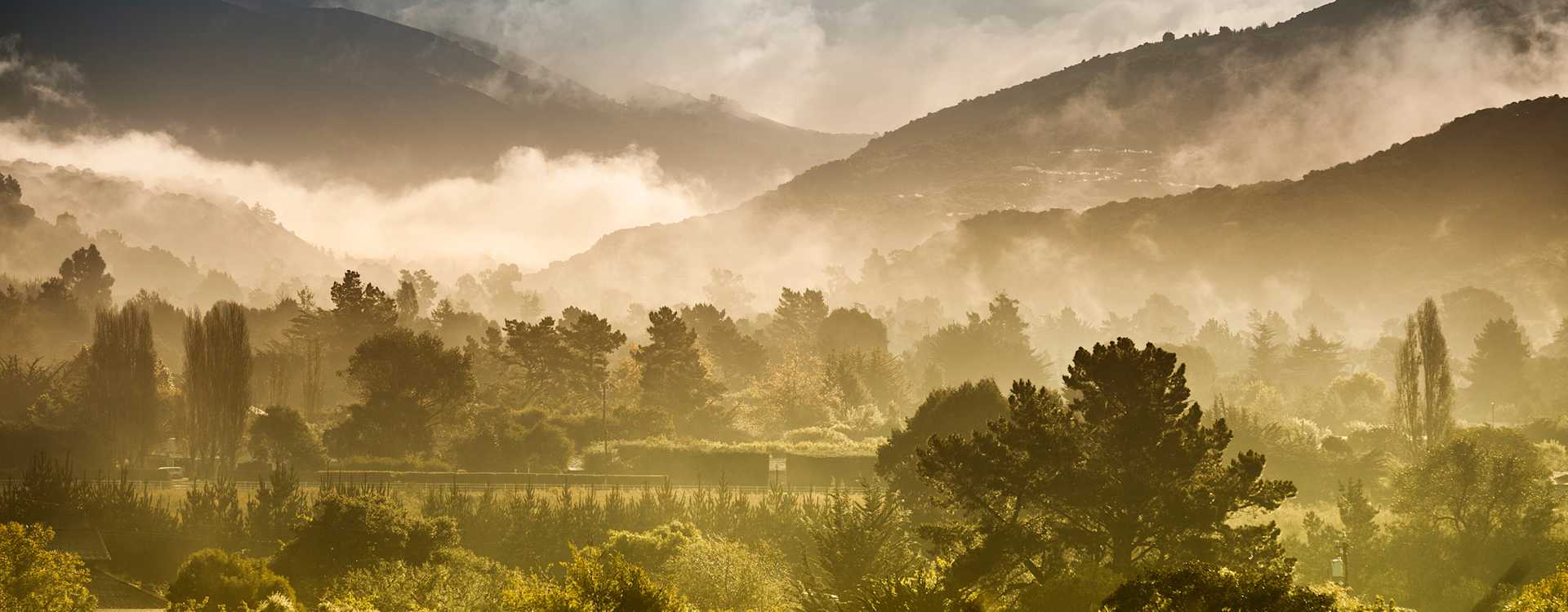
Growing on high elevation bedrock slopes, the vineyards of Paso Robles Willow Creek AVA sit at between 960 and 1,900 feet in elevation.