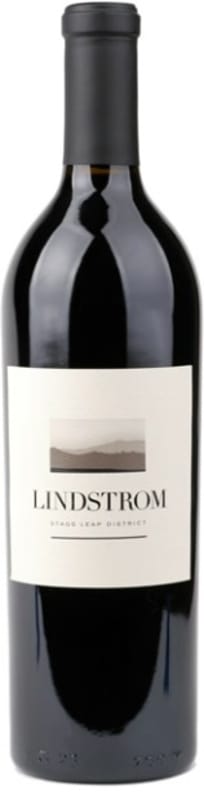


Winemaker Notes
First impressions of the aromas from this 100% Cabernet Sauvignon show lovely, perfumed essence of raspberries, roses and a touch of lilac, with darker cherry tones adding depth and a sense of mature-fruit. The sweet fruit character is remarkably focused and intense, reflecting its steep hillside origins. On the palate, the wine offers an elegant, full-bodied, soft, silky entry, with dark, warm berry fruit character. The mid-palate impression adds a subtle note of tobacco leaf and toasty vanilla, with just a hint of anise/spice adding complexity as the fresh berry notes linger. The finish is equally rich, exhibiting layers of complexity and a dense, mouth-coating texture. The overall density and concentration of the palate impression results from the very rocky vineyard source of this dark, rich cabernet.
Professional Ratings
-
Robert Parker's Wine Advocate
Like any new winery, this is a work in progress, and the 2008 shows slightly better than the 2007 - but don't dismiss the 2007. Loads of black cherry, black currant, licorice, and spring flowers are present in this mid-weight, elegant, stylish wine, which offers up sweet tannin in a nice framework, with a well-balanced mouthfeel. It should drink nicely for 10-15 years.
-
Wine Spectator
Exhibits complex layers of ripe cherry, blackberry and currant, with touches of mocha-laced oak that are woven together nicely. Full-bodied, firming midpalate and ending with a long, persistent finish. Drink now through 2020. 480 cases made.


A noble variety bestowed with both power and concentration, Cabernet Sauvignon enjoys success all over the globe, its best examples showing potential to age beautifully for decades. Cabernet Sauvignon flourishes in Bordeaux's Medoc where it is often blended with Merlot and smaller amounts of some combination of Cabernet Franc, Malbecand Petit Verdot. In the Napa Valley, ‘Cab’ is responsible for some of the world’s most prestigious, age-worthy and sought-after “cult” wines. Somm Secret—DNA profiling in 1997 revealed that Cabernet Sauvignon was born from a spontaneous crossing of Cabernet Franc and Sauvignon Blanc in 17th century southwest France.

Legend has it that quick and nimble stags would escape the indigenous hunters of southern Napa Valley through the landmark palisades that sit just northeast of the current city of Napa. As a result, the area was given the name, Stags Leap. While its grape-growing history dates back to the mid-1800s, winemaking didn’t really take off until the mid-1970s after a small but pivotal blind tasting called the Judgement of Paris.
When a 1973 Stag’s Leap Wine Cellars Cabernet Sauvignon won first place against its high-profile Bordeaux contenders, like Chateau Mouton Rothschild and Chateau Haut-Brion, international attention to the Stags Leap District of Napa Valley escalated rapidly.
The vineyards in this one-of-a-kind wine growing region receive hot afternoon air reflecting off of its eastern palisade formation. In combination with the cool evening breezes from the San Pablo Bay just south, this becomes an optimal environment for grape growing. While many varieties could thrive here, Cabernet Sauvignon and Merlot dominate with virtually no others, save for a spot or two of Syrah.
Stags Leap soils—eroded volcanic and old river sediments—encourage well established root systems and result in complex, terroir-driven wines. Stags Leap District reds have a distinct sour cherry and black berry character with baking spice and dried earth aromas, and supple tannins.