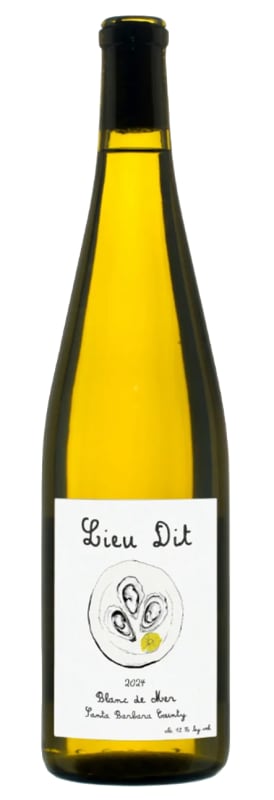


Winemaker Notes
Each lot was vinified separately using native yeast, then aged thoughtfully in a mix of neutral oak and stainless steel. The final blend is layered, textural, and bright. On the nose, you’ll find citrus blossom, yellow apple, and ripe pear. The palate is vibrant and mineral-driven, offering a clean, saline finish that invites another sip.
Blanc de Mer was crafted with versatility in mind — equally at home with oysters and grilled shrimp as it is with roast chicken or a sunny afternoon.
Professional Ratings
-
Vinous
The 2024 Blanc de Mer is a blend of Chardonnay, Sauvignon Blanc and Chenin Blanc. Energetic and vibrant, there's great texture and salinity to lift the bright florals. Lemon, white flowers and orange peel build with air. A clean, crisp finish begs for a plate of oysters.
-
Wine Spectator
The 2024 Blanc de Mer is a blend of Chardonnay, Sauvignon Blanc and Chenin Blanc. Energetic and vibrant, there's great texture and salinity to lift the bright florals. Lemon, white flowers and orange peel build with air. A clean, crisp finish begs for a plate of oysters.

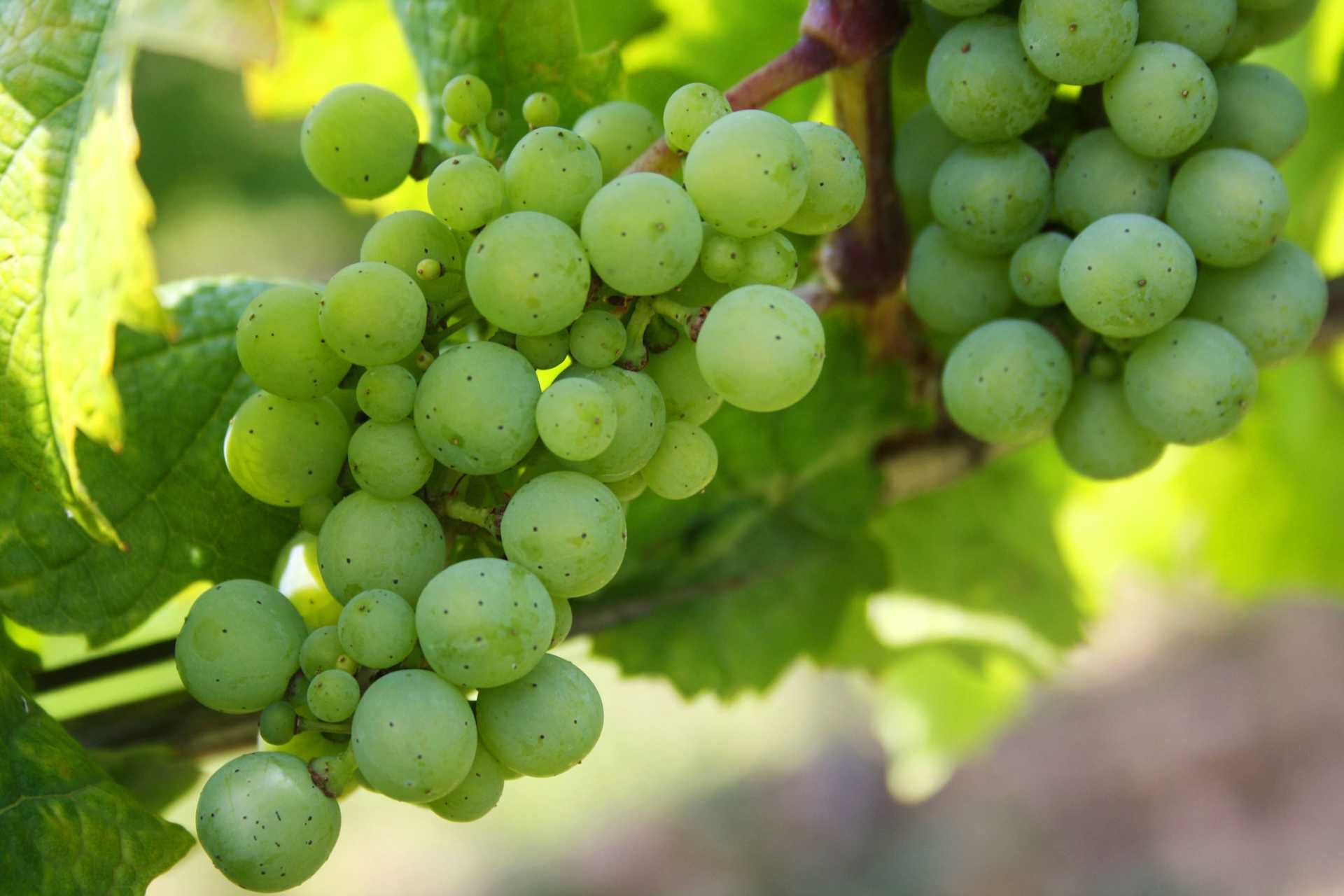
With hundreds of white grape varieties to choose from, winemakers have the freedom to create a virtually endless assortment of blended white wines. In many European regions, strict laws are in place determining the set of varieties that may be used in white wine blends, but in the New World, experimentation is permitted and encouraged. Blending can be utilized to enhance balance or create complexity, lending different layers of flavors and aromas. For example, a variety that creates a soft and full-bodied white wine blend, like Chardonnay, would do well combined with one that is more fragrant and naturally high in acidity. Sometimes small amounts of a particular variety are added to boost color or aromatics. Blending can take place before or after fermentation, with the latter, more popular option giving more control to the winemaker over the final qualities of the wine.

With a dry and mild climate cooled significantly by moist ocean fog and breezes, Santa Barbara County is a grape-grower’s dream. Part of the larger Central Coast appellation, Santa Barbara is home to Santa Maria Valley and Santa Ynez Valley. The conditions here provide an opportunity for nearly effortless production of high-quality cool-climate Central Coast wines. This is also the site of the 2004 film Sideways, which caused Pinot Noir’s popularity to skyrocket and brought new acclaim to the region.
Chardonnay and Pinot Noir are the stars of Santa Barbara, producing wines marked by racy acidity. Crisp Sauvignon Blanc and savory Syrah are also important. The region is home to many young and enthusiastic winemakers eager to experiment with less common varieties including Chenin Blanc, Grüner Veltliner, Trousseau Gris, Gamay and Cabernet Franc, making it an exciting area to watch.