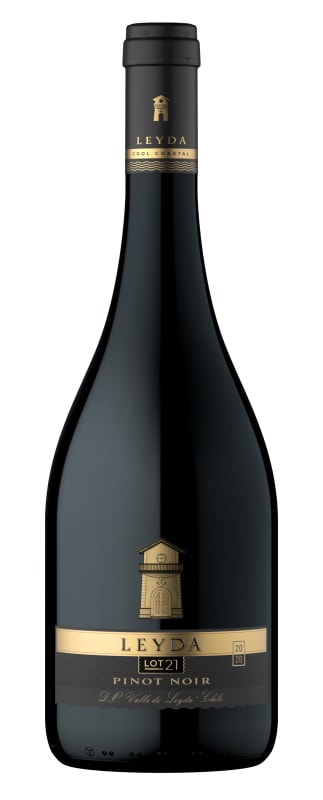


Winemaker Notes
Ruby red with floral and fresh fruit flavors. Tense and bright, it features cherry, redcurrant, and raspberry notes. A hint of mushrooms and subtle earthy tones follow, along with a vibrant juiciness that lengthens the palate.
Professional Ratings
-
Robert Parker's Wine Advocate
Same as other 2020s, the effect of the warm and dry year was also noticeable in the 2020 Lot 21 Pinot Noir that is still very balanced and fresh with moderate ripeness and good acidity, but it's not as sharp as the wines from cooler vintages. This seems to follow the path of the 2018, with a balanced palate with fine tannins. It matured in concrete, oak vat and used barriques, finishing dry and with a mineral, stony sensation. Best after 2023.


Thin-skinned, finicky and temperamental, Pinot Noir is also one of the most rewarding grapes to grow and remains a labor of love for some of the greatest vignerons in Burgundy. Fairly adaptable but highly reflective of the environment in which it is grown, Pinot Noir prefers a cool climate and requires low yields to achieve high quality. Outside of France, outstanding examples come from in Oregon, California and throughout specific locations in wine-producing world. Somm Secret—André Tchelistcheff, California’s most influential post-Prohibition winemaker decidedly stayed away from the grape, claiming “God made Cabernet. The Devil made Pinot Noir.”

An officially recognized sub-zone in the southern part of the San Antonio Valley, the Leyda Valley was the original settlement of the wine pioneers who came to the area in the 1990s. They were in search of cooler and wetter growing conditions—as compared to more eastern, drier and often warmer locations.
Planting, which began only in the late 1990s, focused on Sauvignon blanc, Chardonnay, Pinot noir and some limited spots for Syrah. The area continues to receive well-earned accolades for wines of these varieties.