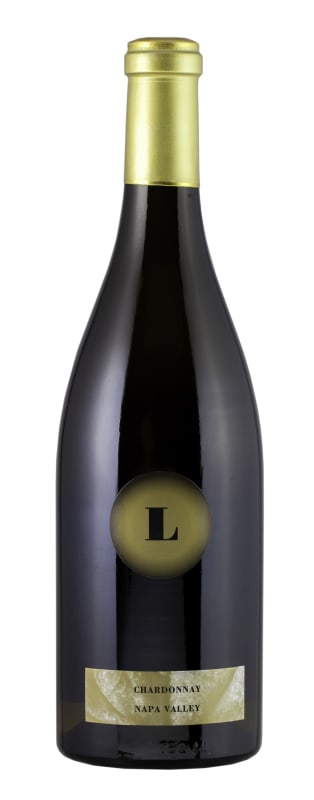


Winemaker Notes
Like a silk robe or satin sheets the 2018 Napa Chardonnay seduces with thrilling texture. Creamy pear, crème brulee, white nectarine and gardenia blossom sprinkled with vanilla spice, it is simply delicious and irresistible. Finely structured yet opulent to the core, it is graced with a long, luscious finish.
Professional Ratings
-
Wine Spectator
Well-knit and powerfully structured, with unctuous flavors of ripe pear, apple pastry and dried mango, filled with toasty notes. The creamy finish lingers with hints of dried sage and quince paste. Drink now through 2025.
-
Connoisseurs' Guide
While there is likely to be some who will find this full-throated Chardonnay to be a little too much of a good thing, others – and we include ourselves among them – will revel in its altogether riveting richness. It is big, it is ripe and it is extremely expressive, yet it is also wonderfully well-balanced and alive for a wine of its size and intent, and its layered mix of juicy fruit, toasted grains, minerals and oaky sweetness is marked by a marvelous sense of cohesion. It will serve famously now with a range of rich foods running from salmon in sauce to roast duck and lighter pork dishes, but know that it is structured to keep and should easily hold for at least a half-dozen years.
-
Wilfred Wong of Wine.com
COMMENTARY: The 2018 Lewis Cellars Napa Valley Chardonnay exhibits volumes of richness on the palate. TASTING NOTES: This wine offers aromas and flavors of ripe fruit, dried flowers, and creamy notes. Enjoy it with lobster in a decadent Sherry-accented, cream sauce. (Tasted: May 4, 2020, San Francisco, CA)
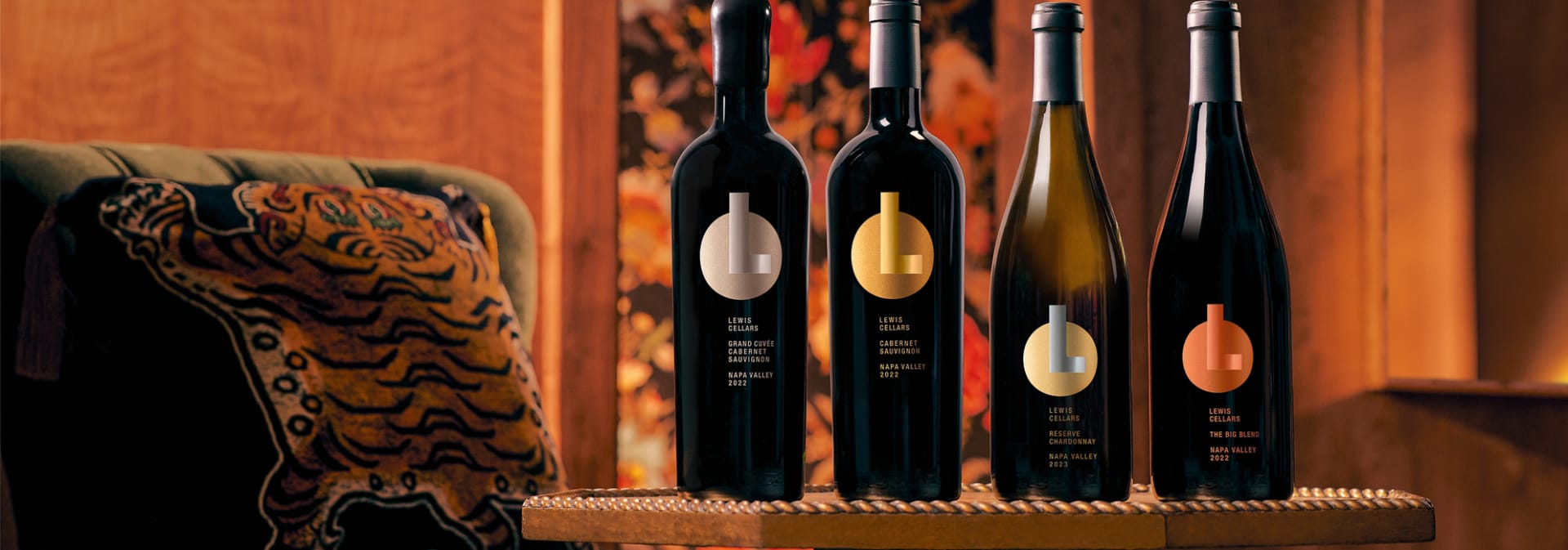


For more than 30 years, Lewis Cellars has handcrafted wines that epitomize the intense flavors and bold character of the world-renowned Napa Valley. Opulent, voluptuous, and unapologetically provocative, their wines are for the true connoisseur who isn't afraid to go big. Guided by a meticulous, hands-on approach, Lewis has perfected the art of sensory winemaking, ensuring each bottle is both distinctive and unforgettable. To taste a Lewis Cellars wine is to immerse yourself in a multi-sensory experience—where sight, aroma, flavor, and finish intertwine in a seamless dance of complexity and intrigue, compelling you to take another sip. With a legacy built on excellence, Lewis Cellars has earned its place among Napa's finest, with – as Wine Spectator notes – "a record of excellence that few California wineries can rival."

One of the most popular and versatile white wine grapes, Chardonnay offers a wide range of flavors and styles depending on where it is grown and how it is made. While it tends to flourish in most environments, Chardonnay from its Burgundian homeland produces some of the most remarkable and longest lived examples. California produces both oaky, buttery styles and leaner, European-inspired wines. Somm Secret—The Burgundian subregion of Chablis, while typically using older oak barrels, produces a bright style similar to the unoaked style. Anyone who doesn't like oaky Chardonnay would likely enjoy Chablis.

One of the world's most highly regarded regions for wine production as well as tourism, the Napa Valley was responsible for bringing worldwide recognition to California winemaking. In the 1960s, a few key wine families settled the area and hedged their bets on the valley's world-class winemaking potential—and they were right.
The Napa wine industry really took off in the 1980s, when producers scooped up vineyard lands and planted vines throughout the county. A number of wineries emerged, and today Napa is home to hundreds of producers ranging from boutique to corporate. Cabernet Sauvignon is definitely the grape of choice here, with many winemakers also focusing on Bordeaux blends. White wines from Napa Valley are usually Chardonnay and Sauvignon Blanc.
Within the Napa Valley lie many smaller sub-AVAs that claim specific wine characteristics based on situation, slope and soil. Farthest south and coolest from the influence of the San Pablo Bay is Carneros, followed by Coombsville to its northeast and then Yountville, Oakville and Rutherford. Above those are the warm St. Helena and the valley's newest and hottest AVA, Calistoga. These areas follow the valley floor and are known generally for creating rich, dense, complex and smooth red wines with good aging potential. The mountain sub appellations, nestled on the slopes overlooking the valley AVAs, include Stags Leap District, Atlas Peak, Chiles Valley (farther east), Howell Mountain, Mt. Veeder, Spring Mountain District and Diamond Mountain District. Napa Valley wines from the mountain regions are often more structured and firm, benefiting from a lot of time in the bottle to evolve and soften.