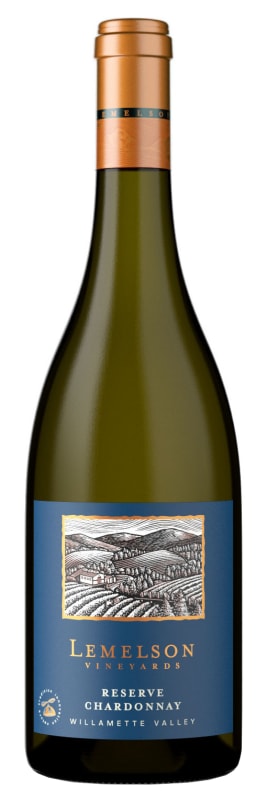
Lemelson Reserve Chardonnay 2018 Front Bottle Shot
Lemelson Reserve Chardonnay 2018 Front Bottle Shot Lemelson Reserve Chardonnay 2018 Front Label

Winemaker Notes

The 2018 Reserve Chardonnay is composed of fruit from two of our organic, estate vineyards that span two different AVAs, two different soil types and two different elevations. Through the combination of both microclimates, fantastic results can be achieved. The wine leads with aromatics of caramel apple, lemon zest, white flower and ginger spice. The delicate oak adds an extra layer of complexity with whiffs of cinnamon and roasted marshmallow. On the palate, this Chardonnay is supple, elegant and in excellent balance with its crisp, natural acidity which leads into a long and mineral finish. This wine should age beautifully over the next several years in bottle.

Professional Ratings

  • 91
    Mango, baked apple, lemon pie, butterscotch and toast on the nose. It’s medium-to full-bodied with a buttery core of ripe stone and tropical fruit, underpinned by bright acidity. Drink now.
Lemelson

Lemelson

View all products
Lemelson, undefined
Lemelson Introduction to Lemelson Winery Video

Lemelson Vineyards began as a dream to create a winery grounded in nature, inspired by tradition in winemaking, and driven by innovation in technology. From the beginning, organic farming was at the core of that vision. Through organic viticulture and gravity-flow production, Lemelson crafts estate-grown Pinot Noir, Pinot Gris, Chardonnay, and Riesling that honor Oregon’s Willamette Valley.

Founder Eric Lemelson planted his first organically farmed vineyard in Yamhill County in 1995. Realizing that he loved the work involved in growing wine grapes, two years later he planted an additional 30 acres of Pinot noir and began planning the construction of a gravity-flow winery. Sustainability and organic practices were guiding principles from the start, both in the vineyards and in the winery, which was ultimately constructed using recycled and renewable materials. The intention was building something that would not only serve consumers but also the longevity of their pristine home state of Oregon.

Their commitment to organic farming and sustainability extends to all facets of winery life and ensures that all living components, be they land, vine, or human, are well cared for. It’s their belief that the glass you’re enjoying at home starts before vines were ever planted. The process from planting to drinking must be nurtured at all steps.

When you drink Lemelson wine, you are not only drinking an elegant, expressive Willamette Valley wine, you’re taking part in their journey to protect the earth for generations to come, and they thank you for that.

Image for Chardonnay content section
View all products

One of the most popular and versatile white wine grapes, Chardonnay offers a wide range of flavors and styles depending on where it is grown and how it is made. While it tends to flourish in most environments, Chardonnay from its Burgundian homeland produces some of the most remarkable and longest lived examples. California produces both oaky, buttery styles and leaner, European-inspired wines. Somm Secret—The Burgundian subregion of Chablis, while typically using older oak barrels, produces a bright style similar to the unoaked style. Anyone who doesn't like oaky Chardonnay would likely enjoy Chablis.

Image for Willamette Valley Oregon content section
View all products

One of Pinot Noir's most successful New World outposts, the Willamette Valley is the largest and most important AVA in Oregon. With a continental climate moderated by the influence of the Pacific Ocean, it is perfect for cool-climate viticulture and the production of elegant wines.

Mountain ranges bordering three sides of the valley, particularly the Chehalem Mountains, provide the option for higher-elevation vineyard sites.

The valley's three prominent soil types (volcanic, sedimentary and silty, loess) make it unique and create significant differences in wine styles among its vineyards and sub-AVAs. The iron-rich, basalt-based, Jory volcanic soils found commonly in the Dundee Hills are rich in clay and hold water well; the chalky, sedimentary soils of Ribbon Ridge, Yamhill-Carlton and McMinnville encourage complex root systems as vines struggle to search for water and minerals. In the most southern stretch of the Willamette, the Eola-Amity Hills sub-AVA soils are mixed, shallow and well-drained. The Hills' close proximity to the Van Duzer Corridor (which became its own appellation as of 2019) also creates grapes with great concentration and firm acidity, leading to wines that perfectly express both power and grace.

Though Pinot noir enjoys the limelight here, Pinot Gris, Pinot Blanc and Chardonnay also thrive in the Willamette. Increasing curiosity has risen recently in the potential of others like Grüner Veltliner, Chenin Blanc and Gamay.

WBO30286958_2018 Item# 798737