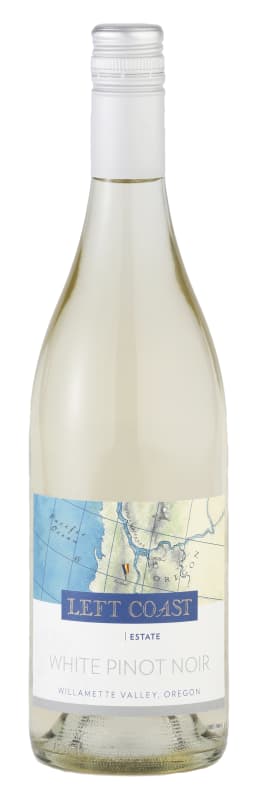


Winemaker Notes
Unique and bold, a blend that combines the beauty of a Pinot Noir with the brightness and acidity in white wine. White Pinot pairs perfectly with grilled sockeye salmon, oysters, asparagus, and stone fruits. Soft gold/yellow in color displaying aromas of honeysuckle, vanilla shortbread, and ripe pear. Its palate is rich and round, with inviting flavors of dried apricots, peaches and cream, and pineapple, finishing with a dry mineral finish.
A simple snack of Rainier cherries and goat cheese is another ideal combination for this versatile wine.
Professional Ratings
-
Wine Enthusiast
If you’ve not yet tried a white Pinot from Oregon, here’s a great opportunity. A distinctive style is emerging, positioned halfway between Pinot Blanc and Chardonnay. Some are styled more like a rosé; others, like this one, lean more toward white wine flavors. Here the soft entry is lightly buttery, with pretty fruit flavors of white peach and melon. There’s suggestion of some barrel time in the scents of toasted cashews. The blend includes 6% Pinot Meunier and 3% Pinot Blanc.
-
Wilfred Wong of Wine.com
COMMENTARY: The 2019 Left Coast White Pinot Noir is pleasing and crisp on the palate. TASTING NOTES: This wine offers bright aromas and flavors of ripe apples, stone fruits. Enjoy it with grilled salmon in a mix of garden-fresh greens. (Tasted: April 8, 2021, San Francisco, CA)


Made from red wine grapes, White Pinots are generally richer and more golden than most white wines, with great viscosity and a textured mouthfeel. In production, only a fraction of the juice is pressed out, which avoids releasing tannins and color. Flavors of apple, pear, and melon fruit are common, as well as baking spice and ginger. The idea is old in Champagne, where Blancs de Noirs ("white from black") have long been made from Pinots Noir and Pinot Meunier, but as a still wine, the style is relatively new.

One of Pinot Noir's most successful New World outposts, the Willamette Valley is the largest and most important AVA in Oregon. With a continental climate moderated by the influence of the Pacific Ocean, it is perfect for cool-climate viticulture and the production of elegant wines.
Mountain ranges bordering three sides of the valley, particularly the Chehalem Mountains, provide the option for higher-elevation vineyard sites.
The valley's three prominent soil types (volcanic, sedimentary and silty, loess) make it unique and create significant differences in wine styles among its vineyards and sub-AVAs. The iron-rich, basalt-based, Jory volcanic soils found commonly in the Dundee Hills are rich in clay and hold water well; the chalky, sedimentary soils of Ribbon Ridge, Yamhill-Carlton and McMinnville encourage complex root systems as vines struggle to search for water and minerals. In the most southern stretch of the Willamette, the Eola-Amity Hills sub-AVA soils are mixed, shallow and well-drained. The Hills' close proximity to the Van Duzer Corridor (which became its own appellation as of 2019) also creates grapes with great concentration and firm acidity, leading to wines that perfectly express both power and grace.
Though Pinot noir enjoys the limelight here, Pinot Gris, Pinot Blanc and Chardonnay also thrive in the Willamette. Increasing curiosity has risen recently in the potential of others like Grüner Veltliner, Chenin Blanc and Gamay.