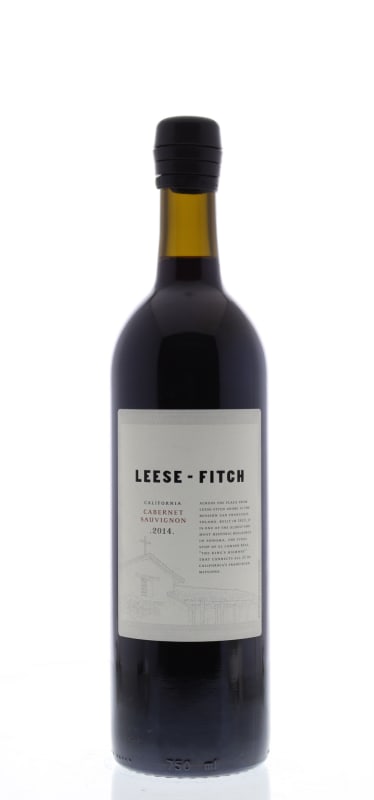


Winemaker Notes
This wine would pair exceptionally well with a meat lovers Lasagna and garlic bread, lamb sliders topped with arugula and a raspberry BBQ sauce, or stir fried wild mushrooms with veggies in an oyster sauce over jasmine rice.
Professional Ratings
-
Tasting Panel
Sourced from California's specific growing regions to hit the sweet spot on its varietals, this vintage opened up in stages, starting with an iron, earthy, cherry-tobacco on the nose. Much of the Cab was sourced from Lodi, which brought out the ripe cherry and a touch of mint. The dry tannins that inched in may be the influence of the Cabernet Sauvignon grown in cooler Northern California areas such as Clarksburg. Paso Robles offered the Merlot-its mocha and tart red fruit showing through. Fine acidity and an undertone of oak-caramel and baking spices keep this food-worthy red tones and lively.


Covering the most vine acreage in the state compared to any other red wine variety, Cabernet Sauvignon produces as much wine in California as Merlot and Pinot Noir combined. The state’s diverse terrain and microclimates, as well as the freedom of its winemakers, allow for an incredible range of wine styles from this single grape.
California’s most famous region—and especially for Cabernet Sauvignon—is the acclaimed Napa Valley. While Cabernet is successful throughout the world, rarely has it achieved such merit as it does from the Napa Valley. At this point the two are so intrinsically linked that it is difficult to discuss one without the other.
Napa’s closest neighbor, Sonoma County, does an impressive job keeping up with Napa’s fame and glory. Alexander Valley, Sonoma Mountain, Moon Mountain and Knights Valley contribute to the lot of some of California’s top-rated Cabernet Sauvignon.
Lake County in California’s North Coast has become a focus for some of Napa’s more respected growers. From the Central Coast come iconic examples of classic California Cabernet; Lodi and the Sierra Foothills are great budget-friendly sources of amicable Cabernets.