

Winemaker Notes
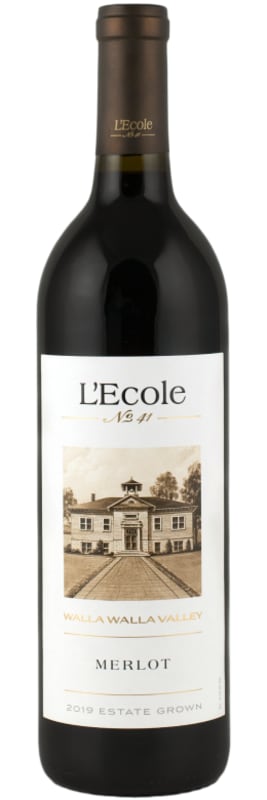
This expressive Merlot reveals opulent aromatics of dark cherry and blackberry, fresh Mission figs, savory cedar, and coffee bean, completed with rose and a touch of sage. Its ripe rich texture is laced with delicate graphite notes, along with dark chocolate and plum, grounded with ample polished tannins. Altogether well-structured, it finishes fresh and focused.
Blend: 84% Merlot, 12% Cabernet Franc, 4% Cabernet Sauvignon
Professional Ratings
-
James Suckling
Aromas of baked plum, nutmeg, red licorice and suede. Full-bodied with fine tannins. Bright acidity. Juicy and balanced, with very good clarity and transparency. White pepper and clove add welcome complexity.
-
Wine Enthusiast
This wine is a 50-50 split of Ferguson and Seven Hills Vineyards. The aromas are reserved, with notes of tea leaf, raspberry and cherry. The flavors are supple, showing polish, freshness and appeal. Fine-grained tannins back it all up. It's a pretty wine but don't be fooled—there's plenty of substance behind it.
-
Jeb Dunnuck
I loved the 2019 Merlot Estate, a ripe, plump, wonderfully balanced Merlot that has classic darker cherry and currant fruits as well as spicy, herbal, chocolaty nuances. This medium-bodied, round, balanced beauty can be drunk any time over the coming decade. Best After 2022
-
Wine & Spirits
Tightly wound and firmly structured, this Walla Walla merlot has a leafy, spiced-tobacco scent—a classic Walla Walla marker. It’s powerful and lavishly oaked, needing time in the cellar to unwind. Then serve it with a plate of chicken sausages.
-
Wine Spectator
Sinewy in structure, with focused black currant, tobacco and spice flavors that finish with a tannic bite.


With generous fruit and supple tannins, Merlot is made in a range of styles from everyday-drinking to world-renowned and age-worthy. Merlot is the dominant variety in the wines from Bordeaux’s Right Bank regions of St. Emilion and Pomerol, where it is often blended with Cabernet Franc to spectacular result. Merlot also frequently shines on its own, particularly in California’s Napa Valley. Somm Secret—As much as Miles derided the variety in the 2004 film, Sideways, his prized 1961 Château Cheval Blanc is actually a blend of Merlot and Cabernet Franc.

Responsible for some of Washington’s most highly acclaimed wines, the Walla Walla Valley has experienced a surge in popularity in recent years and is home to both historic wineries and younger, up-and-coming producers.
The Walla Walla Valley, a Native American name meaning “many waters,” is located in southeastern Washington; part of the appellation actually extends into Oregon. Soils here are well-drained, sandy loess over Missoula Flood deposits and fractured basalt.
It is a region perfectly suited to Rhône-inspired Syrahs, distinguished by savory notes of red berry, black olive, smoke and fresh earth. Cabernet Sauvignon and Merlot create a range of styles from smooth and supple to robust and well-structured. White varieties are rare but some producers blend Sauvignon Blanc with Sémillon, resulting in a rich and round style, and plantings of Viognier, while minimal, are often quite successful.
Of note within Walla Walla, is one new and very peculiar appellation, called the Rocks District of Milton-Freewater. This is the only AVA in the U.S. whose boundaries are totally defined by the soil type. Soils here look a bit like those in the acclaimed Rhône region of Chateauneuf-du-Pape, but are large, ancient, basalt cobblestones. These stones work in the same way as they do in Chateauneuf, absorbing and then radiating the sun's heat up to enhance the ripening of grape clusters. The Rocks District is within the part of Walla Walla that spills over into Oregon and naturally excels in the production of Rhône varieties like Syrah, as well as the Bordeaux varieties.