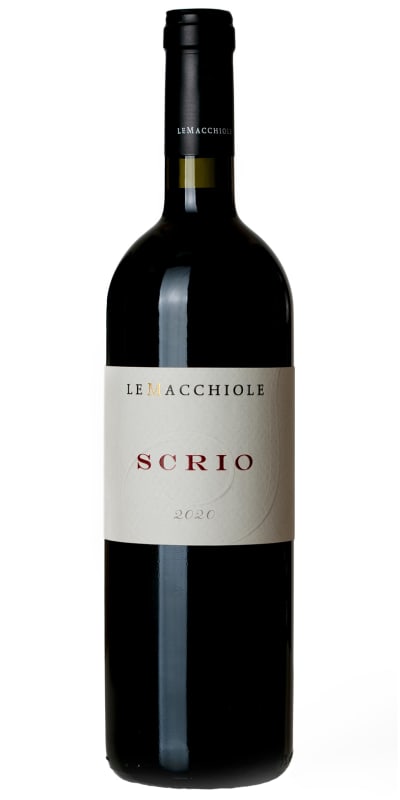


Winemaker Notes
Scrio was first produced in 1994. Le Macchiole founder Eugenio Campolmi created it because he wanted to produce a wine that would best express his vision of Syrah, his favorite grape variety. Scrio has an original personality and stands apart from Syrah grown in France or anywhere else – it is an extraordinarily compelling meld of deep and velvety Mediterranean fruit with cool climate aromatics and detail. Given the extremely limited production, Scrio is decidedly a hidden gem.
"Scrio" is a Tuscan word that translates to pure, genuine, and honest. It is usually used to refer to people who are pure of heart.
Professional Ratings
-
Jeb Dunnuck
Moving to the varietal wines, the 2020 Scrio (which is always Syrah) displays a deep but transparent magenta hue. Floral and inviting, the nose offers beautiful aromas of fresh lavender, candied black raspberry, mocha, and sweet herbs. Full-bodied but weightless, with ripe tannins, its more savory Mediterranean profile shines on the palate with notes of black olive. It has a buoyant and mouthwatering finish that retains freshness of acidity while also offering notes of salty earth. This vintage seems to be much more lifted than I remember this cuvée being in years past and is more about its mineral texture, with undercurrents of spice lasting long on the finish. One stunner of a wine, it’s haunting, as it lasts on the palate for ages. Drink 2025-2040.
-
Robert Parker's Wine Advocate
A beautiful Syrah from Tuscany, the 2020 Scrio shows impeccable elegance with a very long and linear style that transcends the nose and the palate. I love the precision of this wine. The celebrated Rhône grape has found a very happy home along this part of the Tuscan coast. The team at Le Macchiole is especially talented at bringing out varietal nuances of dark fruit, baking chocolate, spice, charred meat, white pepper and pencil shaving.
-
Vinous
The 2020 Scrio (Syrah) is a lovely wine. At this stage, the Scrio is pretty closed, but that is likely a very good thing for its long-term aging prospects. Time in the glass brings out hints of white pepper, smoke, dried flowers, mint and chalk that lend brightness to a core of sweet red and blood orange fruit. This is the first vintage in which vineyard sourcing shifts meaningfully to a site in the hills of Bolgheri. The 2020 was aged in 12hL cask, ceramic and about 10% in French oak.
-
Wine Enthusiast
The nose is sleek and dark, like a well-tailored suit, as the chewy saltiness of black olives waltzes with the tartness of blackberries and blueberries, while fireworks of black pepper burst in the night sky above. The olives and dark fruit keep dancing on the palate, until the song ends with a spicy, bitter chocolate crescendo. Debonair tannins watch you from across the ballroom, while acid simmers on the balcony, inconspicuous but unforgettable.
-
James Suckling
Plenty of flowers and fresh fruit such as blackberries and raspberries. Hints of cloves and nutmeg. Medium to full body, with ultra-fine tannins and a chewy and crunchy finish. A little tight at the end, suggesting it needs three to four years of bottle age. Drink after 2026.
-
Wine Spectator
A sleek, elegant red signaled by violet, blueberry, boysenberry, earth and spice aromas and flavors. Dense yet fluid, with fine-grained tannins and a well-defined beam of fruit persisting on the finish.
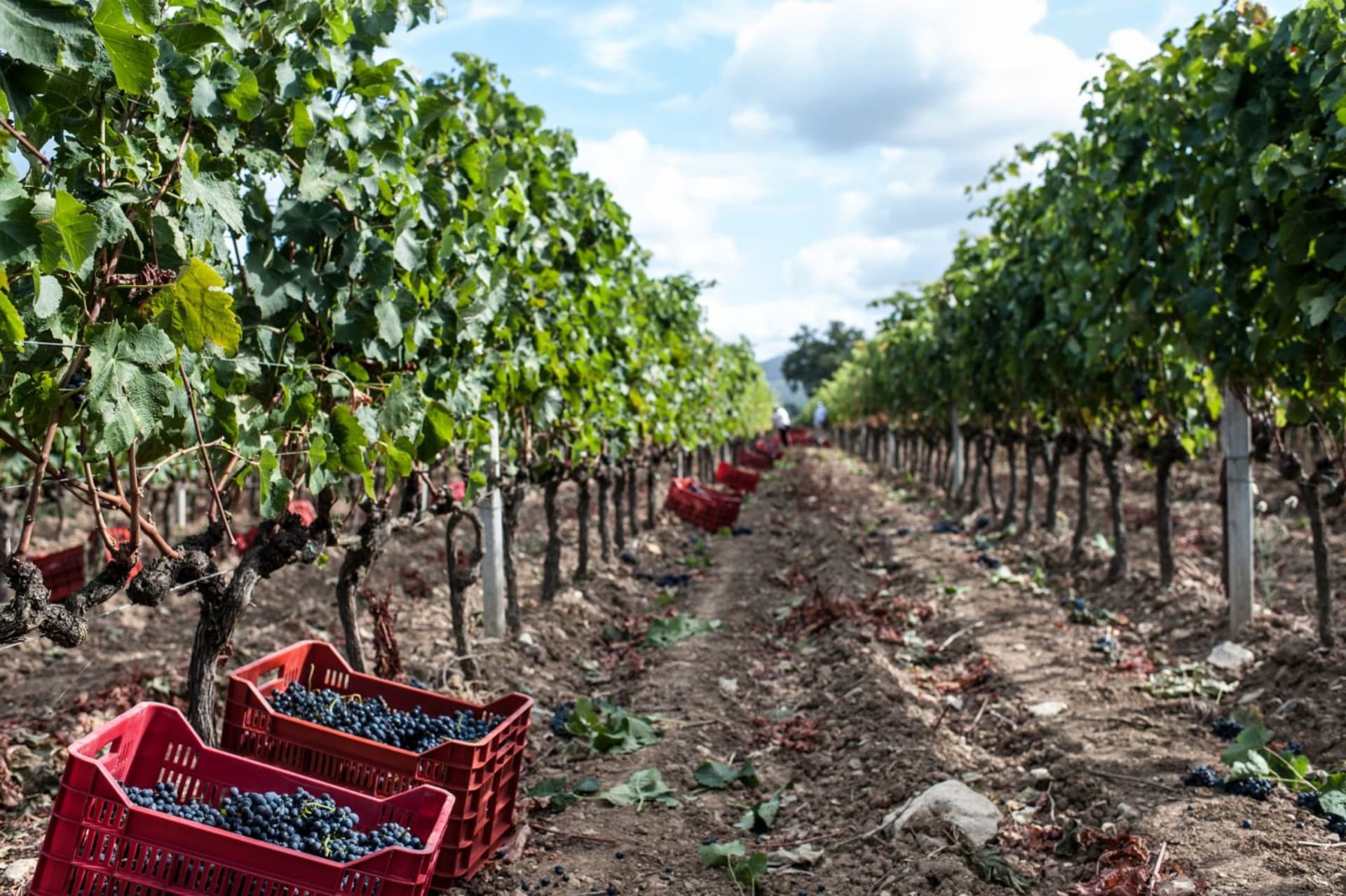


Long before it was fashionable, Eugenio Campolmi saw the potential of his homeland, buying his first vineyard in Bolgheri in 1975 baptised "Le Macchiole". In 1987, he hired famed oenologist Vittorio Fiore as a consultant before the later was joined by Luca d'Attoma for years later. In contrast to his renowned neighbors who focused on Bordeaux blends, Campolmi focused on achieving the purest expression of individual varieties, crafting distinct wines of unprecedented quality. Soon Le Macchiole joined Sassicaia, Ornellaia, and Guado al Tasso as one of the most prestigious estates in Bolgheri. Following Eugenio's death in 2002, his wife Cinzia Merli, who shares her husband's passion, took over at the estate. Working with Luca D'Attoma, she has carried on her husband's legacy by continuing to make great Tuscan wines.

Legendary in Italy for its Renaissance art and striking landscape, Tuscany is also home to many of the country’s best red wines. Sangiovese reigns supreme here, as either the single varietal, or a dominant player, in almost all of Tuscany’s best.
A remarkable Chianti, named for its region of origin, will have a bright acidity, supple tannins and plenty of cherry fruit character. From the hills and valleys surrounding the medieval village of Montalcino, come the distinguished and age-worthy wines based on Brunello (Sangiovese). Earning global acclaim since the 1970s, the Tuscan Blends are composed solely of international grape varieties or a mix of international and Sangiovese. The wine called Vine Nobile di Montepulciano, composed of Prognolo Gentile (Sangiovese) and is recognized both for finesse and power.