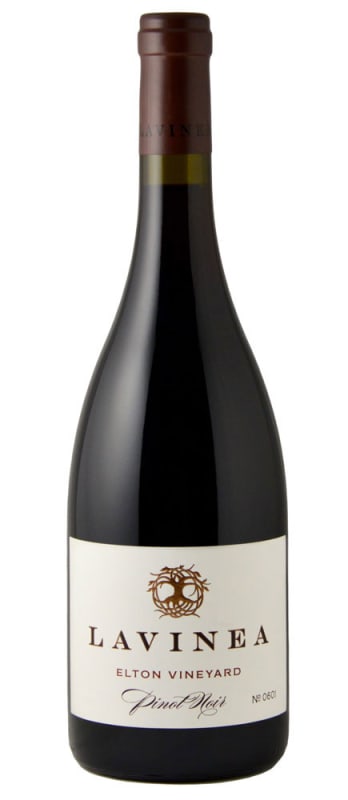


Winemaker Notes
Brilliant yet darker ruby color. Very youthful and a bit closed aromatically. With air, scents of cola, black cherry, Provencal herbs, and a hint of white pepper emerge. The entry is round, almost lush but with a sleek texture. A medium weight palate offers sweet cherry and marionberry flavors enhanced by exotic spices. A very focused core of fruit is framed by firm but polished tannins that carry the wine to an enduring finish, while the palate remains enchanting with the striking mix of flavors that linger and linger. Slow to reveal itself, this is a wine that will provide great pleasure given time.
Professional Ratings
-
Wine Spectator
Savory and elegantly dynamic, with a handsome structure to the layers of raspberry and black cherry flavors accented by forest floor and dusky spice, finishing with medium-grained tannins. Drink now through 2030.
-
James Suckling
This has a bold and exuberant nose with sappy red-berry and darker-cherry aromas, set across bracken and some gently earthy tones. The palate has a gently grainy tannin texture and layers up to an assertive and powerful finish. Try from 2023.
-
Wine Enthusiast
Still young and somewhat inscrutable, this hints at tart but still generic red berry fruit, lightly peppery and backed with moderate acidity. Rolling on through the midpalate it seems a bit diffuse, and lacks concentration as it fades. Nonetheless it's a well-balanced wine, with good potential and a drinking window now through the late 2020s.


Thin-skinned, finicky and temperamental, Pinot Noir is also one of the most rewarding grapes to grow and remains a labor of love for some of the greatest vignerons in Burgundy. Fairly adaptable but highly reflective of the environment in which it is grown, Pinot Noir prefers a cool climate and requires low yields to achieve high quality. Outside of France, outstanding examples come from in Oregon, California and throughout specific locations in wine-producing world. Somm Secret—André Tchelistcheff, California’s most influential post-Prohibition winemaker decidedly stayed away from the grape, claiming “God made Cabernet. The Devil made Pinot Noir.”

Running north to south, adjacent to the Willamette River, the Eola-Amity Hills AVA has shallow and well-drained soils created from ancient lava flows (called Jory), marine sediments, rocks and alluvial deposits. These soils force vine roots to dig deep, producing small grapes with great concentration.
Like in the McMinnville sub-AVA, cold Pacific air streams in via the Van Duzer Corridor and assists the maintenance of higher acidity in its grapes. This great concentration, combined with marked acidity, give the Eola-Amity Hills wines—namely Pinot noir—their distinct character. While the region covers 40,000 acres, no more than 1,400 acres are covered in vine.