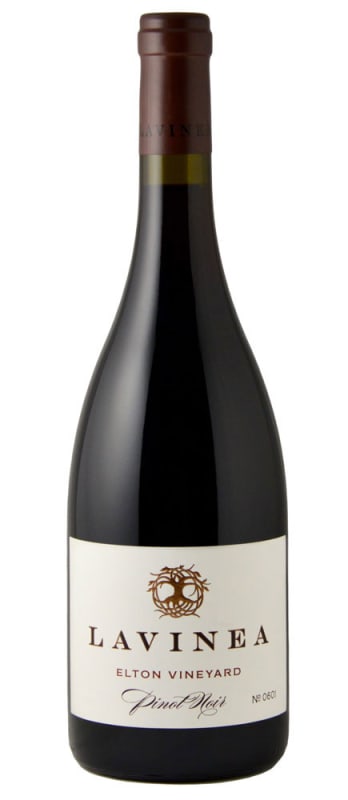


Winemaker Notes
Brilliant, ruby red in color, the lovely aromas of mixed berries, fragrant rose and herbaceous rosemary dance between savory notes and fresh fruits. Elegant and refreshing, lush yet restrained, the lovely palate travels with a smooth beginning, vibrant core of fresh mixed berries, wet bedrock that tightens towards the finish, sustained by silky tannins. The quintessential definition of a beautiful Pinot Noir, Elton is complex and enjoyable now, yet has the tension required to age gracefully.
Professional Ratings
-
Wine Spectator
Sleek and vibrant, with tiers of black raspberry, savory dark tea and dusky spice flavors that take on richness toward polished tannins. Drink now through 2028.
-
James Suckling
Attractive, spiced violets and wild herbs on offer with a fresh, red-fruit core. The mid-weight palate has dry, spiced red-cherry flavors and neat, fine tannins.
-
Wine Enthusiast
Robust and tangy flavors propel a juicy mix of citrus and berry, notably orange and strawberry. The use of native yeast and the light touch with 22% new oak barrels are part of the winery's signature style, which focuses on single-vineyard examples from older plantings among the Willamette Valley's most interesting AVAs. Lightly savory and finishing with a touch of cocoa, this fragrant and rather restrained wine should be enjoyed over the next half decade.


Thin-skinned, finicky and temperamental, Pinot Noir is also one of the most rewarding grapes to grow and remains a labor of love for some of the greatest vignerons in Burgundy. Fairly adaptable but highly reflective of the environment in which it is grown, Pinot Noir prefers a cool climate and requires low yields to achieve high quality. Outside of France, outstanding examples come from in Oregon, California and throughout specific locations in wine-producing world. Somm Secret—André Tchelistcheff, California’s most influential post-Prohibition winemaker decidedly stayed away from the grape, claiming “God made Cabernet. The Devil made Pinot Noir.”

Running north to south, adjacent to the Willamette River, the Eola-Amity Hills AVA has shallow and well-drained soils created from ancient lava flows (called Jory), marine sediments, rocks and alluvial deposits. These soils force vine roots to dig deep, producing small grapes with great concentration.
Like in the McMinnville sub-AVA, cold Pacific air streams in via the Van Duzer Corridor and assists the maintenance of higher acidity in its grapes. This great concentration, combined with marked acidity, give the Eola-Amity Hills wines—namely Pinot noir—their distinct character. While the region covers 40,000 acres, no more than 1,400 acres are covered in vine.