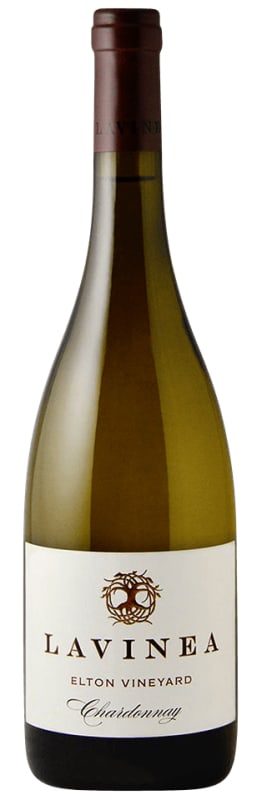


Winemaker Notes
Aromatically the wine has notes of minerally wet rocks, fresh citrus, orange cream soda and a hint of anise. On the palate, the wine has a delicate, creamy core with ripe pears and white peaches as well as honeysuckle and a flinty, mineral-driven finish.
Professional Ratings
-
Jeb Dunnuck
Spritely and vibrant, the 2021 Chardonnay Elton Vineyard comes from vines planted in 1993 and pours a bright medium straw hue. Lifted notes of lemon-lime citrus zest, crushed stones, and green apple are followed by a focused white with a balanced, ripe core within a linear and medium frame. Rounded with a delicate lacy and custardy texture and fresh notes of salted citrus lift on the finish, it’s attractive now but will be great to hold on to and drink over the coming 10 years.
-
Wine Enthusiast
This is my favorite Elton since John. Incredibly racy acidity casts a spotlight on aromas and flavors of orange blossoms, slices of Mandarin orange, green apples, lemon icing and saline. It is unabashedly tart and svelte, with a crisp mouthfeel. It’s only showing a glimpse of its potential.
-
Wine Spectator
This attractive Chardonnay is rich and precise, with detailed apple and pear flavors underlined by notes of jasmine blossom and fresh ginger. Drink now. 130 cases made.
-
James Suckling
Warm apple, peach and sweet spice aromas. Medium-bodied with a mellow character on the palate and a fruity, creamy finish.


One of the most popular and versatile white wine grapes, Chardonnay offers a wide range of flavors and styles depending on where it is grown and how it is made. While it tends to flourish in most environments, Chardonnay from its Burgundian homeland produces some of the most remarkable and longest lived examples. California produces both oaky, buttery styles and leaner, European-inspired wines. Somm Secret—The Burgundian subregion of Chablis, while typically using older oak barrels, produces a bright style similar to the unoaked style. Anyone who doesn't like oaky Chardonnay would likely enjoy Chablis.

Running north to south, adjacent to the Willamette River, the Eola-Amity Hills AVA has shallow and well-drained soils created from ancient lava flows (called Jory), marine sediments, rocks and alluvial deposits. These soils force vine roots to dig deep, producing small grapes with great concentration.
Like in the McMinnville sub-AVA, cold Pacific air streams in via the Van Duzer Corridor and assists the maintenance of higher acidity in its grapes. This great concentration, combined with marked acidity, give the Eola-Amity Hills wines—namely Pinot noir—their distinct character. While the region covers 40,000 acres, no more than 1,400 acres are covered in vine.