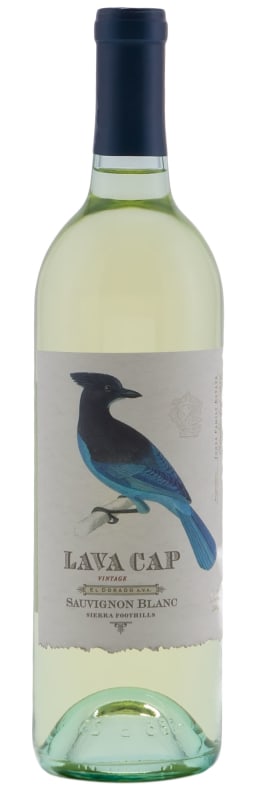


Winemaker Notes
The resulting wine is a Sauvignon Blanc with distinctive notes of fresh-cut cantaloupe and honeydew melon that opens to vibrant tropical fruit notes of pineapple and kiwi. The lengthy body on the palate is a symphony of bright, crisp flavors (a result of the stainless fermentation and aging) that transition to a crisp and clean finish with hints of ripe Bartlett pear.
Professional Ratings
-
Wilfred Wong of Wine.com
COMMENTARY: One seldom hears much about Sauvignon Blancs from the El Dorado AVA. This growing region, most notable for its Zinfandels and other red wines, has surprises that escape even the most fastidious of wine professionals. The 2017 Lava Cap Sauvignon Blanc is a top performer competing with the best efforts in the marketplace. TASTING NOTES: This wine is solid and well-built. Its aromas and flavors—far different (showing more core and stone fruits) from known entities such as Dry Creek Valley, Lake County, Napa Valley, and others—exhibiting ripe melon, maybe some candied fruit and stone fruits should provide an excellent pairing with grilled peaches, a fresh, mild cheese, and seasonal greens. (Tasted: August 6, 2018, San Francisco, CA)


Capable of a vast array of styles, Sauvignon Blanc is a crisp, refreshing variety that equally reflects both terroir and varietal character. Though it can vary depending on where it is grown, a couple of commonalities always exist—namely, zesty acidity and intense aromatics. This variety is of French provenance. Somm Secret—Along with Cabernet Franc, Sauvignon Blanc is a proud parent of Cabernet Sauvignon. That green bell pepper aroma that all three varieties share is no coincidence—it comes from a high concentration of pyrazines (herbaceous aromatic compounds) inherent to each member of the family.

As home to California’s highest altitude vineyards, El Dorado is also one of its oldest wine growing regions. When gold miners settled here in the late 1800s, many also planted vineyards and made wine to quench its local demand.
By 1870, El Dorado County, as part of the greater Sierra Foothills growing area, was among the largest wine producers in the state, behind only Los Angeles and Sonoma counties. The local wine industry enjoyed great success until just after the turn of the century when fortune-seekers moved elsewhere and its population diminished. With Prohibition, winemaking and grape growing was totally abandoned. But some of these vines still exist today and are the treasure chest of the Sierra Foothills as we know them.
El Dorado has a diverse terrain with elevations ranging from 1,200 to 3,500 feet, creating countless mesoclimates for its vineyards. This diversity allows success with a wide range of grapes including whites like Gewurztraminer and Sauvignon Blanc, as well as for reds, Grenache, Syrah, Tempranillo, Barbera and especially, Zinfandel.
Soils tend to be fine-grained volcanic rock, shale and decomposed granite. Summer days are hot but nights are cool and the area typically gets ample precipitation in the form or rain or snow in the winter.