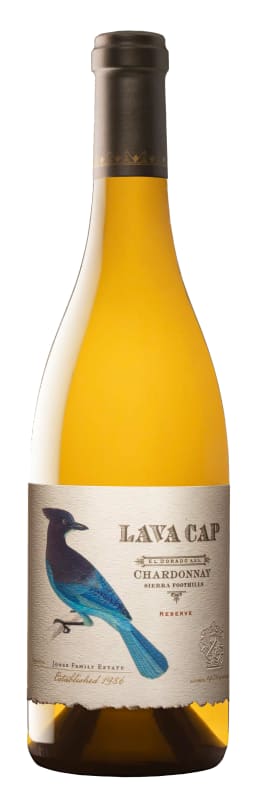


Winemaker Notes
Growing premium mountain fruit is the keystone to the production of their unique Chardonnay. The vineyards are planted at varying elevations and aspects to capture an array of flavors and complexities.
Professional Ratings
-
Decanter
Fermented and aged 50% in French and Slavonian oak and 50% in stainless steel, with half the wine undergoing malolactic fermentation. The result is a zesty, racy Chardonnay with lovely depth of fruit and layered, silky texture. The oak character is perfectly integrated, adding a subtle honeyed richness that complements rather than overshadows. From nose to finish, it offers aromas and flavours of green apple, white peach, creamy pear, jasmine, and a cool wet river rock character, all carried through to a long, saline-mineral finish. Quite a fashionable white.
-
Tasting Panel
Sourced from six Chardonnay blocks ranging from 2,400 to 2,700 feet in elevation on estate vineyards planted in volcanic soil, this is intriguing on those grounds even before the wine hits the bottom of one’s glass. Medium-bodied, it displays very pure fruit notes of Golden apples and orchard fruits, fresh acidity, and a nice suggestion of saline minerality that one rarely finds in California Chardonnay.
-
James Suckling
This partially barrel-fermented wine offers aromas of green apples and Meyer lemons that are modestly spiced by nutmeg, toast and butter. Full-bodied but well balanced and lively, countering good fruit ripeness with acidity. Only 6% new oak is used. Drink now or hold.
-
Jeb Dunnuck
One of the winery’s bigger bottlings, the 2024 Chardonnay Reserve is medium-bodied, barrel-fermented and aged in French, Hungarian, and Slovenian oak, as well as stainless steel. The grapes are grown at 2,400- to 2,700-feet elevation. The crisp acidity girds layers of Meyer lemon, pear, and melon, with baking spice from the oak.


One of the most popular and versatile white wine grapes, Chardonnay offers a wide range of flavors and styles depending on where it is grown and how it is made. While it tends to flourish in most environments, Chardonnay from its Burgundian homeland produces some of the most remarkable and longest lived examples. California produces both oaky, buttery styles and leaner, European-inspired wines. Somm Secret—The Burgundian subregion of Chablis, while typically using older oak barrels, produces a bright style similar to the unoaked style. Anyone who doesn't like oaky Chardonnay would likely enjoy Chablis.

As home to California’s highest altitude vineyards, El Dorado is also one of its oldest wine growing regions. When gold miners settled here in the late 1800s, many also planted vineyards and made wine to quench its local demand.
By 1870, El Dorado County, as part of the greater Sierra Foothills growing area, was among the largest wine producers in the state, behind only Los Angeles and Sonoma counties. The local wine industry enjoyed great success until just after the turn of the century when fortune-seekers moved elsewhere and its population diminished. With Prohibition, winemaking and grape growing was totally abandoned. But some of these vines still exist today and are the treasure chest of the Sierra Foothills as we know them.
El Dorado has a diverse terrain with elevations ranging from 1,200 to 3,500 feet, creating countless mesoclimates for its vineyards. This diversity allows success with a wide range of grapes including whites like Gewurztraminer and Sauvignon Blanc, as well as for reds, Grenache, Syrah, Tempranillo, Barbera and especially, Zinfandel.
Soils tend to be fine-grained volcanic rock, shale and decomposed granite. Summer days are hot but nights are cool and the area typically gets ample precipitation in the form or rain or snow in the winter.