


Winemaker Notes
Aromatically this wine how jammy fruit perfumes of blueberries and blackberries, as well as notes of crushed rocks and dried flowers. On the palate, the wine has higher acidity to balance out the flavors of dark chocolate, pie filling, and elegantly smooth tannins.
Professional Ratings
-
Wine Enthusiast
With a complex structure of firm tannin and substantial length, this youthful wine shows a juiciness of currant, a complement to the wealth of sage, cedar and pencil shaving that more impactfully define it. Entirely varietal, it will age well; enjoy best from 2027 through 2035.
Cellar Selection -
Wilfred Wong of Wine.com
COMMENTARY: The 2017 Laurel Glen Vineyard Estate Cabernet Sauvignon is powerful and steady from start to finish. TASTING NOTES: This wine shines with concentrated berries and hints of oak. Try it with the first cut from a prime rib. (Tasted: May 11, 2023, San Francisco, CA)
-
Wine & Spirits
When Bettina Sichel and her partners acquired Laurel Glen in 2011, she asked Phil Coturri to work toward organic certification, which he gained for the vineyard in 2014. This latest release is a powerful wine, focused on its structure, a crush of tannins that leave volcanic mineral savor in their wake. There’s an equally savory note of black olives standing in for the fruit that will be revealed with bottle age. This should reward patient cellaring.
-
Wine Spectator
Bright plum, cassis and blackberry fruit flavors drive along nicely, flanked by a violet note. Finish has a nicely buried graphite edge for support. Solid. Drink now through 2027.


A noble variety bestowed with both power and concentration, Cabernet Sauvignon enjoys success all over the globe, its best examples showing potential to age beautifully for decades. Cabernet Sauvignon flourishes in Bordeaux's Medoc where it is often blended with Merlot and smaller amounts of some combination of Cabernet Franc, Malbecand Petit Verdot. In the Napa Valley, ‘Cab’ is responsible for some of the world’s most prestigious, age-worthy and sought-after “cult” wines. Somm Secret—DNA profiling in 1997 revealed that Cabernet Sauvignon was born from a spontaneous crossing of Cabernet Franc and Sauvignon Blanc in 17th century southwest France.
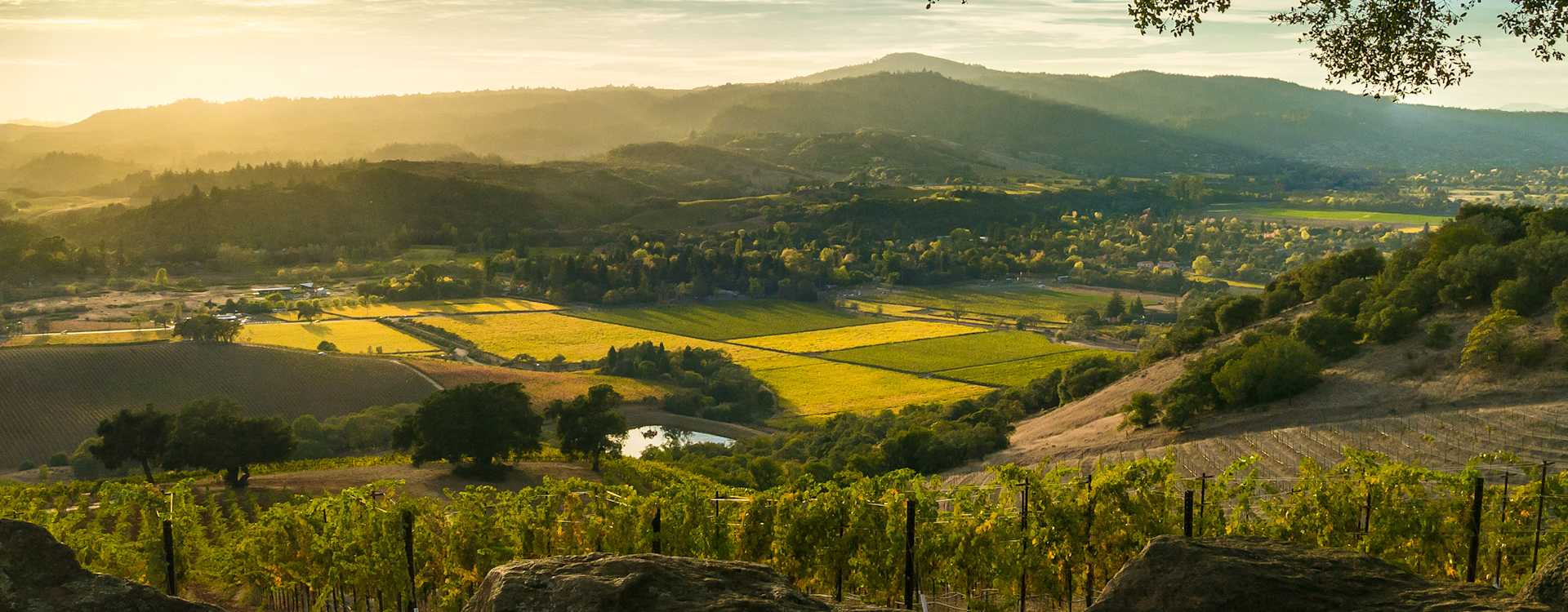
Defined more by altitude than geographical outline, the Sonoma Mountain appellation occupies elevations between 400 and 1,200 feet on the northern and eastern slopes of the actual Sonoma Mountain and is part of the greater Sonoma Valley appellation. The mountain reaches 2,400 feet; its hills separate the cooling winds of Petaluma Gap from the Sonoma Valley.
On a cooler western flank, Pinot noir, Chardonnay and Syrah enjoy a great deal of success. Vineyards on its warmer, eastern side, interspersed with heavily forested areas, tend to include Cabernet Sauvignon, Sauvignon Blanc, Zinfandel, and Syrah. Given its complexity of topography and mesoclimates, Sonoma Mountain excels with a wide range of grape varieties.