


Winemaker Notes
Very perfumed aromas of blackberry and blueberry creating a jammy palate impression. The acidity in the wine lifts the big complex flavors, with a hint of dark chocolate, giving the wine an unexpected freshness. All culminating in a long finish with pronounced, yet elegant, tannins.
Professional Ratings
-
Jeb Dunnuck
The grand vin is the 2015 Cabernet Sauvignon Laurel Glen Vineyard Estate and it’s a regal, balanced, complete wine from this team that offers beautiful minerality as well as notes of crème de cassis, crushed rocks, violets, and tobacco. Medium to full-bodied, incredibly elegant and seamless, it’s not a blockbuster and shines for awesome purity and balance. It’s going to benefit from 2-4 years of bottle age and keep for 15-20 years. The 2015 is all Cabernet Sauvignon that was brought up in 55% new French Taransaud barrels, with the balanced in once used barrels.
-
Wine Enthusiast
This classically styled wine has pretty opening aromas of black currant, cherry and berry, with a slight tease of vanilla and dark chocolate. High toned and supple on the palate, the tannins are well integrated and structured, with a good tension of acidity.
Cellar Selection
-
Wine Spectator
This delivers a solid core of red and black currant preserve flavors, showing good energy, with flecks of savory and tobacco running throughout. Exhibits nice freshness on the finish.


A noble variety bestowed with both power and concentration, Cabernet Sauvignon enjoys success all over the globe, its best examples showing potential to age beautifully for decades. Cabernet Sauvignon flourishes in Bordeaux's Medoc where it is often blended with Merlot and smaller amounts of some combination of Cabernet Franc, Malbecand Petit Verdot. In the Napa Valley, ‘Cab’ is responsible for some of the world’s most prestigious, age-worthy and sought-after “cult” wines. Somm Secret—DNA profiling in 1997 revealed that Cabernet Sauvignon was born from a spontaneous crossing of Cabernet Franc and Sauvignon Blanc in 17th century southwest France.
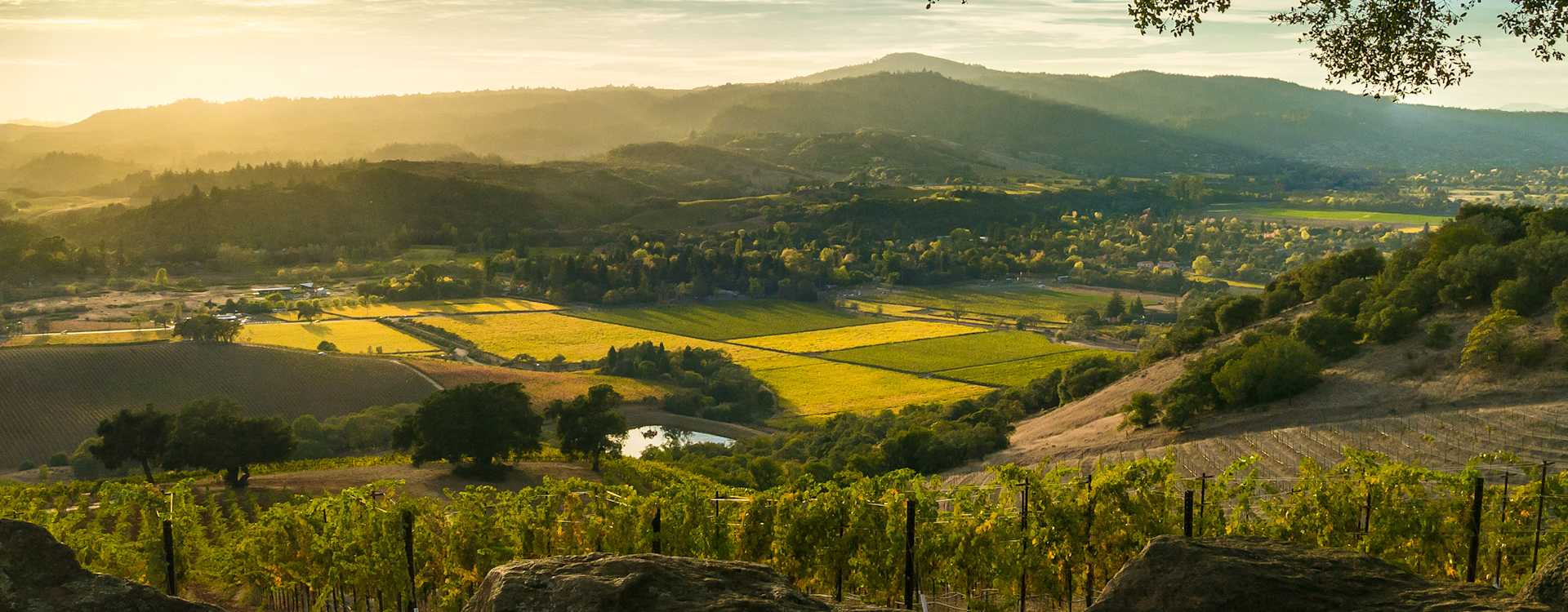
Defined more by altitude than geographical outline, the Sonoma Mountain appellation occupies elevations between 400 and 1,200 feet on the northern and eastern slopes of the actual Sonoma Mountain and is part of the greater Sonoma Valley appellation. The mountain reaches 2,400 feet; its hills separate the cooling winds of Petaluma Gap from the Sonoma Valley.
On a cooler western flank, Pinot noir, Chardonnay and Syrah enjoy a great deal of success. Vineyards on its warmer, eastern side, interspersed with heavily forested areas, tend to include Cabernet Sauvignon, Sauvignon Blanc, Zinfandel, and Syrah. Given its complexity of topography and mesoclimates, Sonoma Mountain excels with a wide range of grape varieties.