


Winemaker Notes
Professional Ratings
-
Wine & Spirits
Rainy and unseasonably cold, the 2011 vintage wasn’t a year for beginners, but for better or worse it was Bettina Sichel’s first vintage at Laurel Glen, after she purchased the property from Patrick Campbell. In March of that year she brought in Phil Coturri to manage the vineyard, which he began cultivating organically while dialing back the irrigation. The vineyard, perched on a saddle of volcanic soil above the fog line yet sheltered from the coastal wind, did manage to fully ripen, just later than normal. The final grapes were harvested on November 1. Sonoma Mountain is one of California’s cooler areas for cabernet, so you might be surprised at how expansive this wine feels. Made by Randall Watkins, with input from David Ramey, this is tight with mineral tannins and flashes of minty black-currant tang. With a day of air, the tannins turn more supple and the floodgates open into a clean line of cassis flavor that’s driven by fresh acidity, energizing a wine with the lilting complexity of a string quartet, scents of violet and Christmas spices and bay-infused meat stock intertwining in a finish that goes on for minutes. Give this ten years in the cellar; it’s a classical mountain cabernet with a profound structural integrity, build to last.


A noble variety bestowed with both power and concentration, Cabernet Sauvignon enjoys success all over the globe, its best examples showing potential to age beautifully for decades. Cabernet Sauvignon flourishes in Bordeaux's Medoc where it is often blended with Merlot and smaller amounts of some combination of Cabernet Franc, Malbecand Petit Verdot. In the Napa Valley, ‘Cab’ is responsible for some of the world’s most prestigious, age-worthy and sought-after “cult” wines. Somm Secret—DNA profiling in 1997 revealed that Cabernet Sauvignon was born from a spontaneous crossing of Cabernet Franc and Sauvignon Blanc in 17th century southwest France.
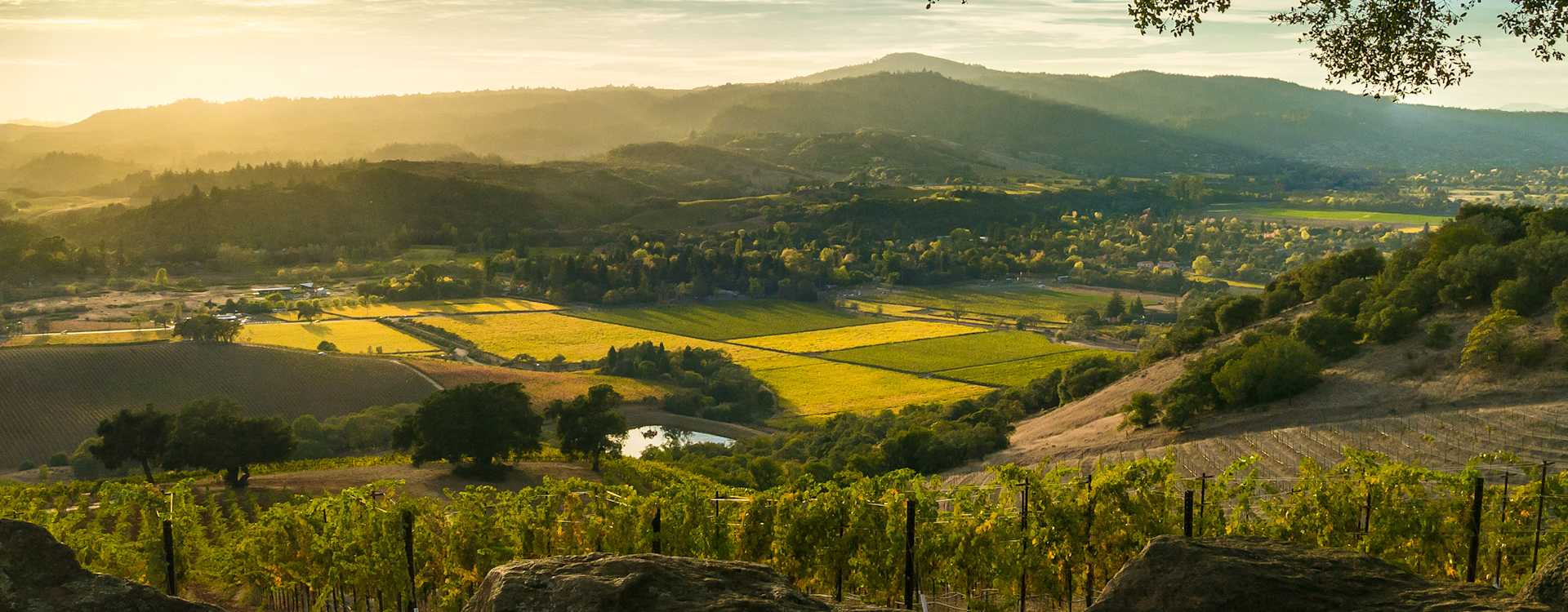
Defined more by altitude than geographical outline, the Sonoma Mountain appellation occupies elevations between 400 and 1,200 feet on the northern and eastern slopes of the actual Sonoma Mountain and is part of the greater Sonoma Valley appellation. The mountain reaches 2,400 feet; its hills separate the cooling winds of Petaluma Gap from the Sonoma Valley.
On a cooler western flank, Pinot noir, Chardonnay and Syrah enjoy a great deal of success. Vineyards on its warmer, eastern side, interspersed with heavily forested areas, tend to include Cabernet Sauvignon, Sauvignon Blanc, Zinfandel, and Syrah. Given its complexity of topography and mesoclimates, Sonoma Mountain excels with a wide range of grape varieties.