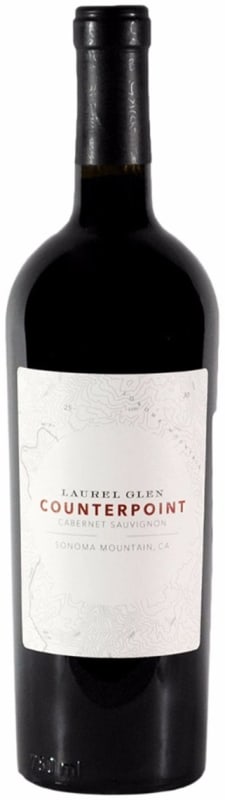


Winemaker Notes
The fruit for the 'Counterpoint' bottling comes from Laurel Glen Vineyard, which is 14 acres of Cabernet Sauvignon planted in 1968, CCOF Certified Organic and Pickberry Vineyard, which is 30 acres of Merlot, Cabernet Sauvignon, Cabernet Franc, Petit Verdot, and Malbec. The blend is predominately Cabernet Sauvignon from the Laurel Glen Vineyard, with the remainder consisting of Merlot and Malbec from the Pickberry Vineyard. The wine ages for 20 months in French oak, of which roughly 40% is new.
Blend: 81% Cabernet Sauvignon, 19% Merlot
Professional Ratings
-
Wine Enthusiast
From the vaunted producer, this soft, approachable wine is supple and plush in its youth, ready to unfurl on the palate in baked plum and dark cherry. Baking spice and toasted oak add to the length and grace.
-
Wine & Spirits
This wine combines estate-grown cabernet with merlot from Pickberry Vineyards, melding into velvety raspberry flavors and smoky depths of earthen savor. It’s plummy fruit married seamlessly with oak, delivering power without weight.
-
Jeb Dunnuck
The 2019 Cabernet Sauvignon Counterpoint takes on a touch more purple in its color and a more youthful tone in its layers of blackberry, violets, graphite, and fresh leather. It offers more plushness on the palate, where this full-bodied wine reveals a velvety texture and notes of black plum, sweet soil, and tobacco. It’s lush and long on the palate, with good freshness, and it’s not heavy. Despite its attractive, youthful appeal, it certainly has some longevity ahead. Drink 2024-2034.


A noble variety bestowed with both power and concentration, Cabernet Sauvignon enjoys success all over the globe, its best examples showing potential to age beautifully for decades. Cabernet Sauvignon flourishes in Bordeaux's Medoc where it is often blended with Merlot and smaller amounts of some combination of Cabernet Franc, Malbecand Petit Verdot. In the Napa Valley, ‘Cab’ is responsible for some of the world’s most prestigious, age-worthy and sought-after “cult” wines. Somm Secret—DNA profiling in 1997 revealed that Cabernet Sauvignon was born from a spontaneous crossing of Cabernet Franc and Sauvignon Blanc in 17th century southwest France.
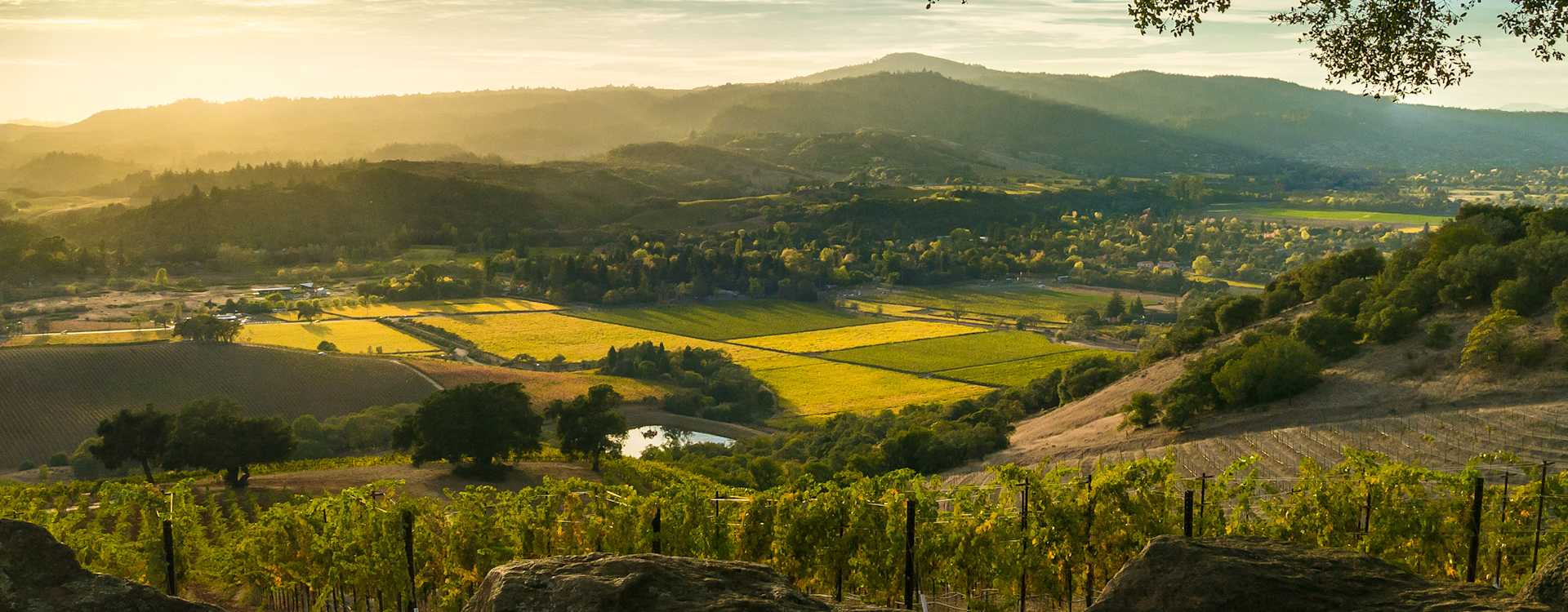
Defined more by altitude than geographical outline, the Sonoma Mountain appellation occupies elevations between 400 and 1,200 feet on the northern and eastern slopes of the actual Sonoma Mountain and is part of the greater Sonoma Valley appellation. The mountain reaches 2,400 feet; its hills separate the cooling winds of Petaluma Gap from the Sonoma Valley.
On a cooler western flank, Pinot noir, Chardonnay and Syrah enjoy a great deal of success. Vineyards on its warmer, eastern side, interspersed with heavily forested areas, tend to include Cabernet Sauvignon, Sauvignon Blanc, Zinfandel, and Syrah. Given its complexity of topography and mesoclimates, Sonoma Mountain excels with a wide range of grape varieties.