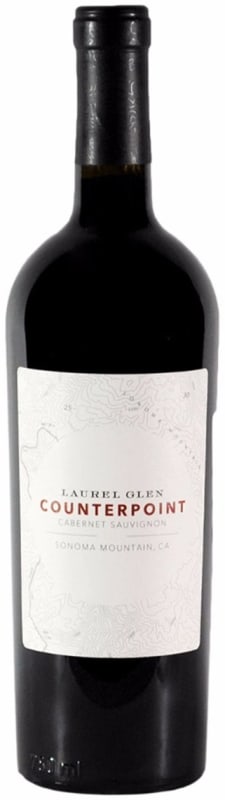


Winemaker Notes
This Cabernet Sauvignon blend presents layer upon layer of ripe currant flavors, licorice and smoky spicy oak. The finish is fresh and bright with a focused minerality and tannins that are firm, round and delicious.
Professional Ratings
-
Jeb Dunnuck
Laurel Glen has turned out a fabulous 2016 Cabernet Sauvignon Counterpoint, which can be thought of as the second wine of the estate and comes from three separate Sonoma Mountain vineyards and is based on 80% Cabernet Sauvignon and 10% each of Merlot and Malbec, raised in 30% new French oak. Lots of red currants, black cherries, dried flowers, bouquet garni, and tobacco leaf notes all flow to a medium to full-bodied, rounded, beautiful wine that has upfront appeal yet the balance and class to evolve for 15+ years.


A noble variety bestowed with both power and concentration, Cabernet Sauvignon enjoys success all over the globe, its best examples showing potential to age beautifully for decades. Cabernet Sauvignon flourishes in Bordeaux's Medoc where it is often blended with Merlot and smaller amounts of some combination of Cabernet Franc, Malbecand Petit Verdot. In the Napa Valley, ‘Cab’ is responsible for some of the world’s most prestigious, age-worthy and sought-after “cult” wines. Somm Secret—DNA profiling in 1997 revealed that Cabernet Sauvignon was born from a spontaneous crossing of Cabernet Franc and Sauvignon Blanc in 17th century southwest France.
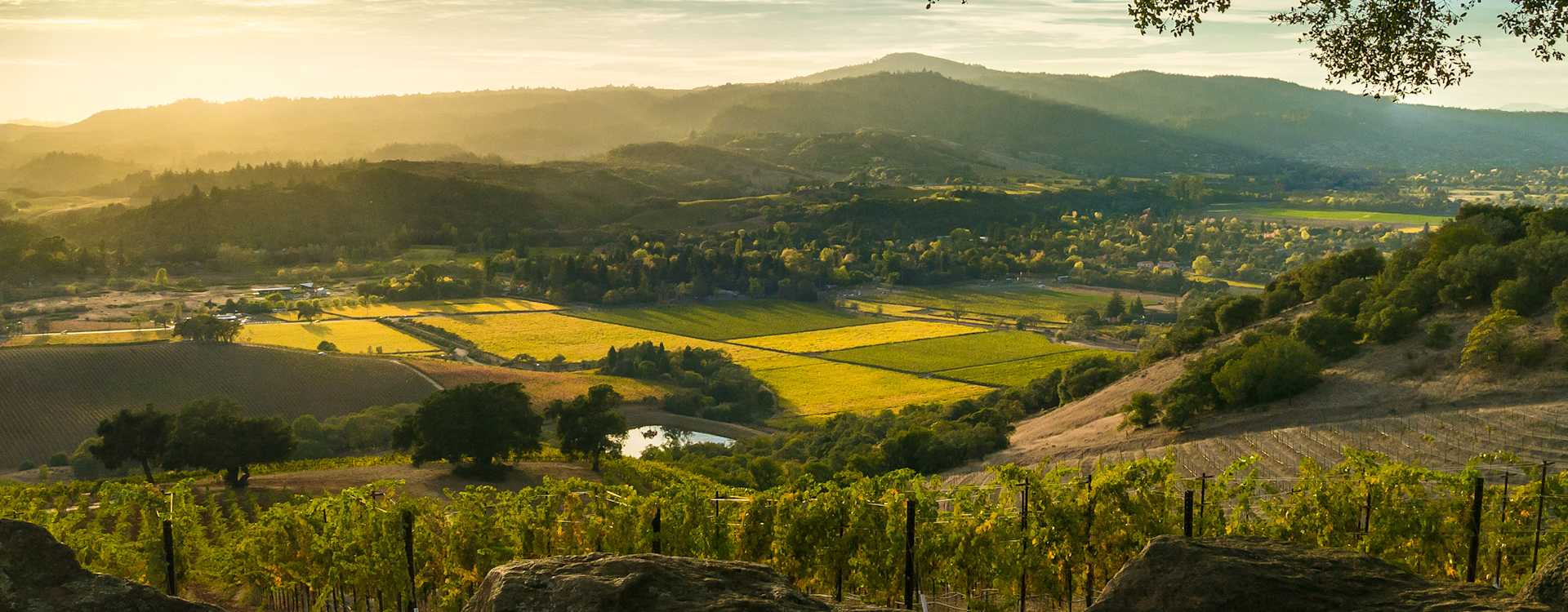
Defined more by altitude than geographical outline, the Sonoma Mountain appellation occupies elevations between 400 and 1,200 feet on the northern and eastern slopes of the actual Sonoma Mountain and is part of the greater Sonoma Valley appellation. The mountain reaches 2,400 feet; its hills separate the cooling winds of Petaluma Gap from the Sonoma Valley.
On a cooler western flank, Pinot noir, Chardonnay and Syrah enjoy a great deal of success. Vineyards on its warmer, eastern side, interspersed with heavily forested areas, tend to include Cabernet Sauvignon, Sauvignon Blanc, Zinfandel, and Syrah. Given its complexity of topography and mesoclimates, Sonoma Mountain excels with a wide range of grape varieties.