


Winemaker Notes
Professional Ratings
-
Wine Enthusiast
This is an approachable release from the mountain estate that is known for ageworthy Cabernet. Earthy and herbal, it offers clove, cedar and peppery notes. The structure is rounded and concentrated in balanced black fruit. Editors’ Choice
-
Wine & Spirits
The 2015 is a floral celebration with earthiness driving its flavors. The fruit is ripened to the point of fatness, juicy black plum and tart-sweet blackberry flavors tasting bright and fresh . . . You'd be hard pressed to find many California cabernets of this quality for $50.
-
Jeb Dunnuck
The 2015 Cabernet Sauvignon Counterpoint is 85% Cabernet Sauvignon and 15% Merlot from a handful of sites in the Sonoma Mountains and spent 18 months in 30% new French and 10% new American oak. It offers more blue fruits, lots of pine and herbal notes, medium body, and a juicy, elegant style on the palate. It has nicely integrated acidity, terrific purity of fruit, and a seamlessness that has it already drinking nicely. It should keep for 10-12 years, although there's no harm in drinking this today.
-
Robert Parker's Wine Advocate
Deep garnet-purple colored, the 2015 Cabernet Sauvignon Counterpoint gives up fragrant cassis, crushed plums and blueberry scents with hints of Chinese five spice, camphor and lilacs. Medium to full-bodied, the palate is filled with juicy black fruits, with a plush frame and oodles of freshness, finishing with a lively lift.


A noble variety bestowed with both power and concentration, Cabernet Sauvignon enjoys success all over the globe, its best examples showing potential to age beautifully for decades. Cabernet Sauvignon flourishes in Bordeaux's Medoc where it is often blended with Merlot and smaller amounts of some combination of Cabernet Franc, Malbecand Petit Verdot. In the Napa Valley, ‘Cab’ is responsible for some of the world’s most prestigious, age-worthy and sought-after “cult” wines. Somm Secret—DNA profiling in 1997 revealed that Cabernet Sauvignon was born from a spontaneous crossing of Cabernet Franc and Sauvignon Blanc in 17th century southwest France.
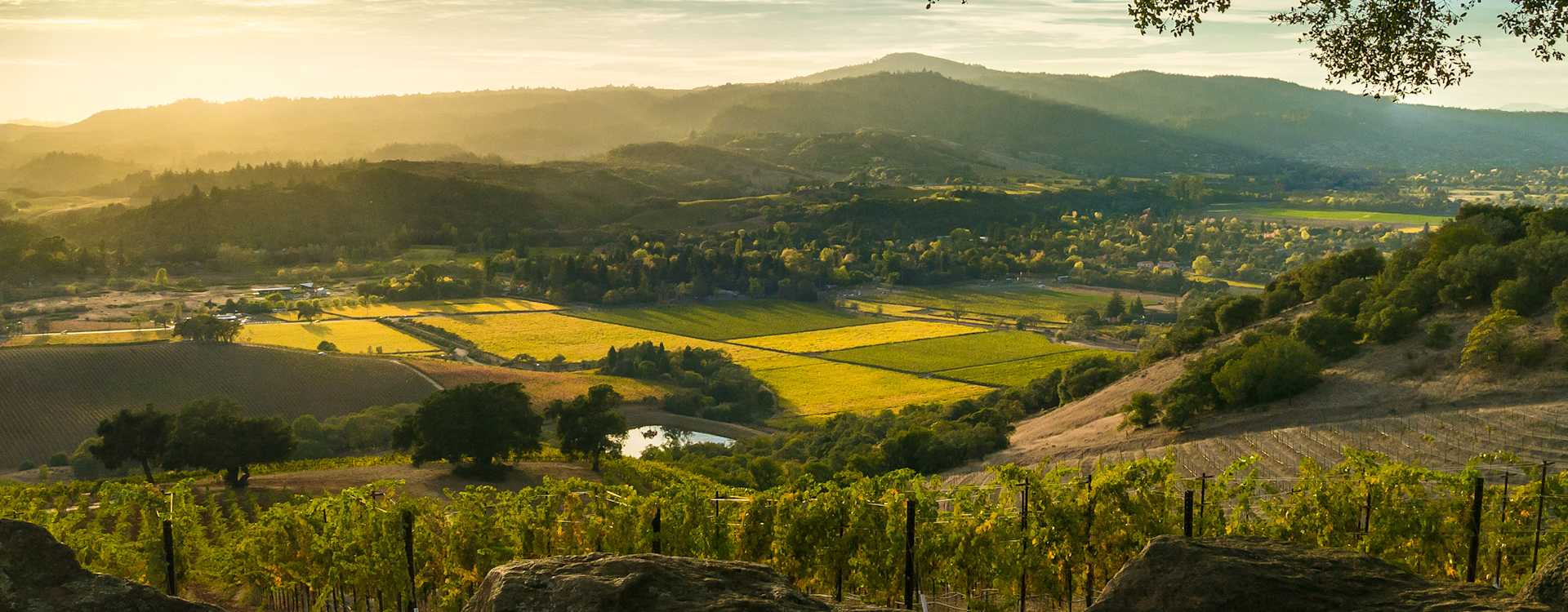
Defined more by altitude than geographical outline, the Sonoma Mountain appellation occupies elevations between 400 and 1,200 feet on the northern and eastern slopes of the actual Sonoma Mountain and is part of the greater Sonoma Valley appellation. The mountain reaches 2,400 feet; its hills separate the cooling winds of Petaluma Gap from the Sonoma Valley.
On a cooler western flank, Pinot noir, Chardonnay and Syrah enjoy a great deal of success. Vineyards on its warmer, eastern side, interspersed with heavily forested areas, tend to include Cabernet Sauvignon, Sauvignon Blanc, Zinfandel, and Syrah. Given its complexity of topography and mesoclimates, Sonoma Mountain excels with a wide range of grape varieties.