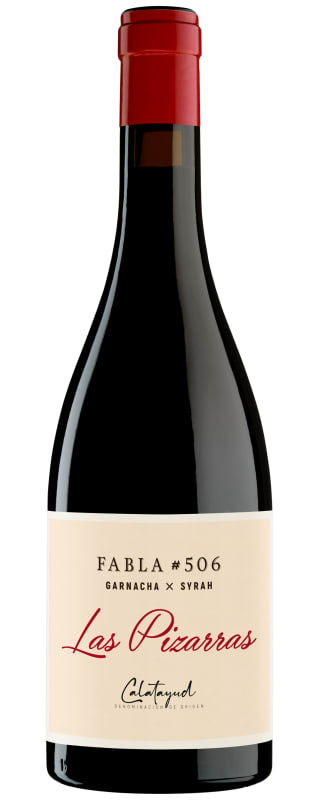


Winemaker Notes
#65 Wine Spectator Top 100 of 2025
Fabla is the language that has been used in different places in the north of the autonomous community of Aragon for more than a thousand years.
Blend: 90% Garnacha, 10% Syrah
Professional Ratings
-
Wine Spectator
A fruit-forward red, loaded with ripe mulberry, boysenberry and plum fruit, with accompanying aromatics of rosemary, anise, graphite and peppercorn. Thick and creamy on the palate, with bright, blood orange–infused acidity and lightly chalky tannins firming the finish. Garnacha and Syrah. Drink now through 2030.


With bold fruit flavors and accents of sweet spice, Grenache, Syrah and Mourvèdre form the base of the classic Rhône Red Blend, while Carignan, Cinsault and Counoise often come in to play. Though they originated from France’s southern Rhône Valley, with some creative interpretation, Rhône blends have also become popular in other countries. Somm Secret—Putting their own local spin on the Rhône Red Blend, those from Priorat often include Merlot and Cabernet Sauvignon. In California, it is not uncommon to see Petite Sirah make an appearance.

Calatayud DO is a wine region tucked into northern Spain’s regions just south of Rioja, about 55 miles (90km) from the provincial capital, Zaragoza. When Calatayud attained DO status in the 90s, it rapidly became Aragon’s second largest quality wine-producing region after its neighbor, Cariñena. Since then, it has focused on upgrading and perfecting its wines with progressive improvements in both cooperatives and private bodegas. Similarly, there has been substantial investment in new technology, winemaking system, and vineyard research. Thanks to this, Calatayud wines are now beginning to show their true potential.
The principle red grape varieties grown are Garnacha Tinta, Tempranillo, Syrah, Bobal, Monastrell.
Many of the new wineries are exploring the potential of the Garnacha grape. A new category of red wines called Calatayud Superior is made from red Garnacha from low yield vines that are at least 50 years old.
The principal white grape varieties in Calatayud are Macabeo, Garnacha Blanca, Malvasía and Chardonnay.