


Winemaker Notes
Le Rosé is inspired by memories of family summers in Provence. The finest Cinsault, Syrah, Grenache, and Mourvédre grapes are harvested early to produce a wine with bright acidity and a fresh fruit expression. This elegant, delicate wine has strawberry, sweet cucumber, and subtle herbal aromas. It has a refreshing mouthfeel with a long-lasting finish.
Serve Le Rosé as an aperitif or with fresh salads, spicy seafood, empanadas, or pasta with cream sauce.
Blend: 39% Cinsaut, 32% Grenache, 22% Syrah, 7% Mourvedre
Professional Ratings
-
James Suckling
Pale salmon hue. Elegant nose showing stone, grapefruit and a touch of cherries. Pure, pithy and textured, with very good weight in the middle and a bone-dry finish. Nice phenolics in the finish, but nothing grippy. Always pure and gastronomic.
-
Wine Spectator
Pale salmon hue. Elegant nose showing stone, grapefruit and a touch of cherries. Pure, pithy and textured, with very good weight in the middle and a bone-dry finish. Nice phenolics in the finish, but nothing grippy. Always pure and gastronomic. Fruit from Apalta. 39% cinsaut, 32% grenache, 22% syrah and 7% mourvedre.
-
Vinous
The 2023 Le Rosé is primarily Cinsault with a dash of Syrah, Mourvèdre and Grenache. Displaying a copper sheen in the glass, it offers aromas of cherries and flowers, unfolding into a dry, refreshing glou glou Rosé
-
Wine Enthusiast
A delicate floral nose is attractive and leads to a structured palate. Flavors of strawberry and watermelon are balanced. This rosé has weight and lovely acidity, leading to bright fruity notes in the finish.
Best Buy



Lapostolle was founded in 1994 by Alexandra Marnier Lapostolle and her husband Cyril de Bournet upon their discovery of a unique clos in the Apalta Valley sheltering 100-year-old pre-phylloxera vines. They quickly realized its potential for producing world-class wines and embarked on their family’s next chapter in the New World. Alexandra brought generations of French winemaking tradition and expertise to the rugged landscape of the Colchagua Valley.
Today, Charles de Bournet, the seventh generation, leads the winery in its newest chapter of innovation, punctuated by the official recognition of the Apalta DO in 2018. Together with Andrea León, Technical Director & Winemaker, Lapostolle continue to craft wines that honor the winery’s credo: French in essence, Chilean by birth.
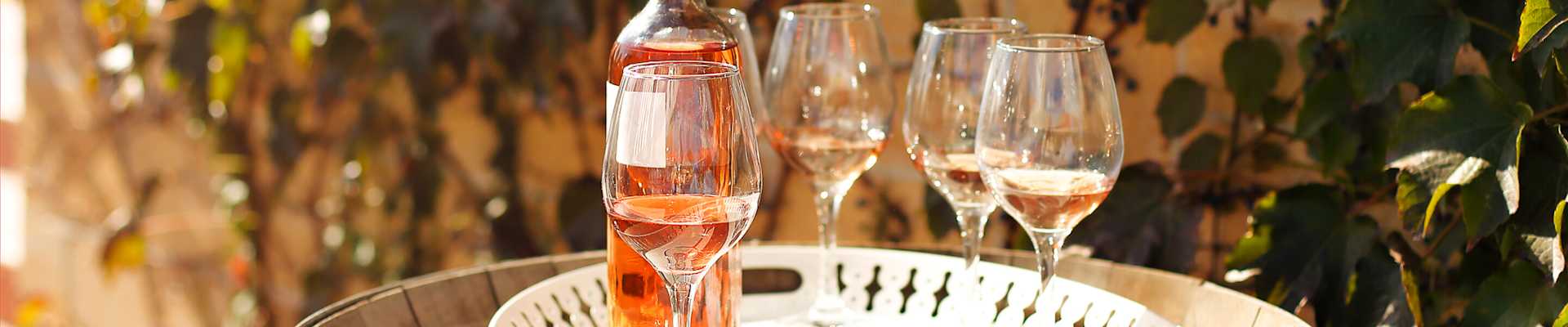
Whether it’s playful and fun or savory and serious, most rosé today is not your grandmother’s White Zinfandel, though that category remains strong. Pink wine has recently become quite trendy, and this time around it’s commonly quite dry. Since the pigment in red wines comes from keeping fermenting juice in contact with the grape skins for an extended period, it follows that a pink wine can be made using just a brief period of skin contact—usually just a couple of days. The resulting color depends on grape variety and winemaking style, ranging from pale salmon to deep magenta.

Dramatic geographic and climatic changes from west to east make Chile an exciting frontier for wines of all styles. Chile’s entire western border is Pacific coastline, its center is composed of warm valleys and on its eastern border, are the soaring Andes Mountains.
Chile’s central valleys, sheltered by the costal ranges, and in some parts climbing the eastern slopes of the Andes, remain relatively warm and dry. The conditions are ideal for producing concentrated, full-bodied, aromatic reds rich in black and red fruits. The eponymous Aconcagua Valley—hot and dry—is home to intense red wines made from Cabernet Sauvignon, Syrah and Merlot.
The Maipo, Rapel, Curicó and Maule Valleys specialize in Cabernet and Bordeaux Blends as well as Carmenère, Chile’s unofficial signature grape.
Chilly breezes from the Antarctic Humboldt Current allow the coastal regions of Casablanca Valley and San Antonio Valley to focus on the cool climate loving varieties, Pinot Noir, Chardonnay and Sauvignon Blanc.
Chile’s Coquimbo region in the far north, containing the Elqui and Limari Valleys, historically focused solely on Pisco production. But here the minimal rainfall, intense sunlight and chilly ocean breezes allow success with Chardonnay and Pinot Noir. The up-and-coming southern regions of Bio Bio and Itata in the south make excellent Riesling, Chardonnay and Pinot Noir.
Spanish settlers, Juan Jufre and Diego Garcia de Cáceres, most likely brought Vitis vinifera (Europe’s wine producing vine species) to the Central Valley of Chile sometime in the 1550s. One fun fact about Chile is that its natural geographical borders have allowed it to avoid phylloxera and as a result, vines are often planted on their own rootstock rather than grafted.