Winemaker Notes
We suggest you serve this beautiful wine with sauteed mushrooms, rillettes, chicken, duck and Port-Salut cheese.
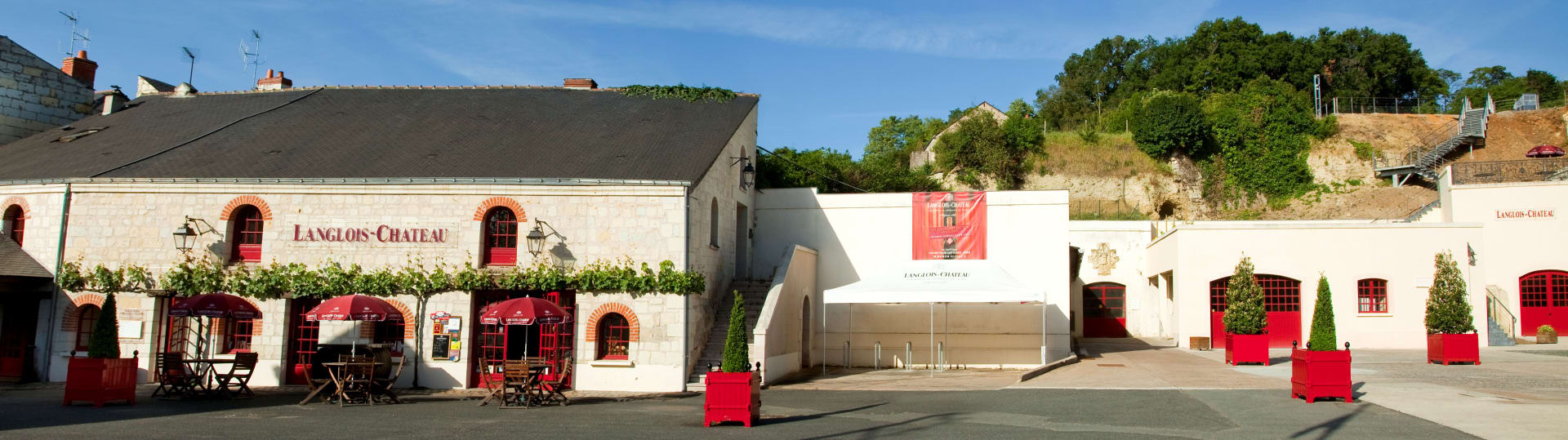


Langlois-Chateau has a rich history as one of the leading producers in the Loire Valley. Their Cremants are produced with standards far beyond the appellation requirements and even beyond Champagne AOC standards. The result is Méthode Champenoise wines of incredible finesse. The still Sancerres are equally notable and are benchmarks for the appellation, with brightness, intensity, depth and minerality.
Founded in 1885 by Edouard Langlois and Jeanne Chateau (hence the name). In 1973, the Bollinger family invested in Langlois, significantly revitalizing the vineyards and modernizing the cellar. Bollinger was naturally attracted by Langlois’ Crémant de Loire production, but the estate has become a leading quality producer in Sancerre, Saumur and other areas.
Langlois-Chateau owns and manages 175 acres of the best AOC vineyards in the Loire Valley. For the Crémants they have an intensely terroir-focused approach of drawing the best characteristics from 6 distinct vineyards areas and soil types in order to create and refined wines. Grapes are hand harvested in small bins, pressed gently, aging is at least 36 months (versus 12 month minimum), and reserve wines are incorporated. The crown jewel of their Sancerre holdings at Chateau de Fontain-Audon, from which they produce a single-vineyards Sancerre of the same name.

With hundreds of red grape varieties to choose from, winemakers have the freedom to create a virtually endless assortment of blended red wines. In many European regions, strict laws are in place determining the set of varieties that may be used, but in the New World, experimentation is permitted and encouraged resulting in a wide variety of red wine styles. Blending can be utilized to enhance balance or create complexity, lending different layers of flavors and aromas. For example, a red wine blend variety that creates a fruity and full-bodied wine would do well combined with one that is naturally high in acidity and tannins. Sometimes small amounts of a particular variety are added to boost color or aromatics. Blending can take place before or after fermentation, with the latter, more popular option giving more control to the winemaker over the final qualities of the wine.
How to Serve Red Wine
A common piece of advice is to serve red wine at “room temperature,” but this suggestion is imprecise. After all, room temperature in January is likely to be quite different than in August, even considering the possible effect of central heating and air conditioning systems. The proper temperature to aim for is 55° F to 60° F for lighter-bodied reds and 60° F to 65° F for fuller-bodied wines.
How Long Does Red Wine Last?
Once opened and re-corked, a bottle stored in a cool, dark environment (like your fridge) will stay fresh and nicely drinkable for a day or two. There are products available that can extend that period by a couple of days. As for unopened bottles, optimal storage means keeping them on their sides in a moderately humid environment at about 57° F. Red wines stored in this manner will stay good – and possibly improve – for anywhere from one year to multiple decades. Assessing how long to hold on to a bottle is a complicated science. If you are planning long-term storage of your reds, seek the advice of a wine professional.

An important red wine appellation in the Touraine district of the Loire, Chinon produces fanciful, light-bodied reds from the Cabernet Franc grape. Chinon also makes charming rosés from the same grape as well as white wines from Chenin blanc. But the reds give the area its fame. Often scented with fresh herbs, black tea and violets, Chinon reds show a lovely combination of fruit and acidity. However, styles have become more concentrated and ripe in recent years from improvements in vineyard management. Modern methods include planting grass between vineyard rows, using higher trellises and deleafing to increase sunlight to berries and therefore improve ripening. Even still, red Chinon is intended to be a light to medium bodied, refreshing wine to be enjoyed in its youth.
Fuller-bodied Chinons come from vineyard sites on the clay and tuffeau limestone slopes, usually from the southern exposed slopes of Cravant-les-Coteaux, and the plateau above Beaumont. Lighter styled wines come from the sand and gravel vineyards near the Loire or Vienne Rivers with the most refined examples coming from the area around Panzoult