


Winemaker Notes
Pale lemon yellow, with aromas of ripe lemon, yellow apple, pineapple, and toasted oak. Balanced and layered on the entry with ripe lemon, green apple and grilled ripe pineapple with attractive smoky oak and vanilla barrel notes. The crisp mid-palate shows savory chamomile flower and a pleasant mineral texture with sustained fruit that continues through the clean, textured finish.
Professional Ratings
-
Tasting Panel
Silky smooth and luscious with a creamy texture and fruit notes showing strongly on the palate; dense and ripe with a core of acidity.
-
Wine Spectator
Well-built and rich, with a solid core of apple pastry, fig and guava flavors that offer a creamy texture. Nutmeg and clove notes show on the spicy finish. Drink now through 2022.
-
Decanter
Complex and impressive with a seductive richness. Notes of toast, butter and cream are complemented by the freshness of pineapple, melon and apple, finished with wonderful nutty oak.
-
Jeb Dunnuck
Orchard fruits, honeysuckle, and a hint of creamed corn emerge from the 2016 Chardonnay Overlook, which is a solid value. Clean, balanced, and classy, drink it over the coming 2-3 years.


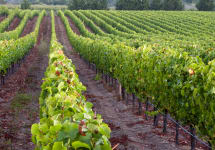

California’s most praised white wine, Chardonnay is also the state’s most planted white grape variety. Diverse terrain and microclimates allow for an incredible range of wine styles.
Chardonnay planted in the cooler, coastal zones takes on bright characteristics like lemon zest, key lime, green apple and wet flint. For this style, look to the chilly Sonoma Coast, Carneros, Santa Cruz Mountains, Santa Lucia Highlands and Edna Valley.
The inland zones of California’s coast, such as the Russian River, Sonoma, Napa and Livermore Valleys maintain a more Goldilocks-esque climate where both styles go. Early picking retains acidity and creates a leaner style but leaving the grapes to hang creates an approachable Chardonnay, balancing richness and finesse.
Chardonnay also plays a major part in the sparkling wine production of the Anderson Valley and Carneros.