

Winemaker Notes
Professional Ratings
-
Robert Parker's Wine Advocate
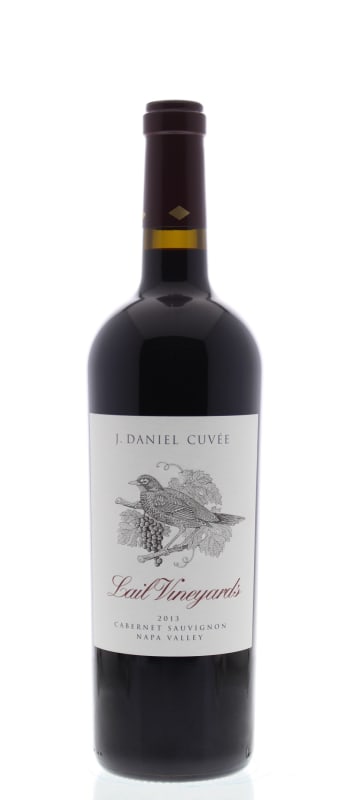
The 2013 Cabernet Sauvignon J. Daniel Cuvée is probably the qualitative equivalent of the 2012, but slightly more backward and coiled tight. Coming from three vineyards that Robin Lail uses in Napa Valley: one in Calistoga, one in Oakville and the other on Howell Mountain. This is 100% Cabernet Sauvignon aged 20 months in about three-fourths new French oak. Just under 1,000 cases are produced. The 2013 comes across like a Napa version of the famous Château Montrose in Bordeaux’s St.-Estephe. Earthy notes intermixed with chocolate, blackcurrant liqueur, grilled meats and spice are all present in this opaque purple wine. Graphite and floral notes are also present. It is full-bodied and ripe with beautiful purity and superbly integrated acidity, alcohol, wood and tannin. This wine needs another 4-5 years, as it’s less dramatic and flamboyant compared to the 2012. It should evolve and age beautifully for 30+ years. Rating: 99+ Points.
-
James Suckling
This is really rich and decadent with sweet-tobacco, blackberry and blueberry aromas that follow through to a full body with rich, juicy tannins that are pointed yet soft, giving nice tension to the wine. Firm and beautiful. Big and rich. Needs time to mellow a little, but impressive. Try after 2023.


One of the most prestigious wines of the world capable of great power and grace, Napa Valley Cabernet is a leading force in the world of fine, famous, collectible red wine. Today the Napa Valley and Cabernet Sauvignon are so intrinsically linked that it is difficult to discuss one without the other. But it wasn’t until the 1970s that this marriage came to light; sudden international recognition rained upon Napa with the victory of the Stag’s Leap Wine Cellars 1973 Cabernet Sauvignon in the 1976 Judgement of Paris.
Cabernet Sauvignon undoubtedly dominates Napa Valley today, covering half of the land under vine, commanding the highest prices per ton and earning the most critical acclaim. Cabernet Sauvignon’s structure, acidity, capacity to thrive in multiple environs and ability to express nuances of vintage make it perfect for Napa Valley where incredible soil and geographical diversity are found and the climate is perfect for grape growing. Within the Napa Valley lie many smaller sub-AVAs that express specific characteristics based on situation, slope and soil—as a perfect example, Rutherford’s famous dust or Stags Leap District's tart cherry flavors.