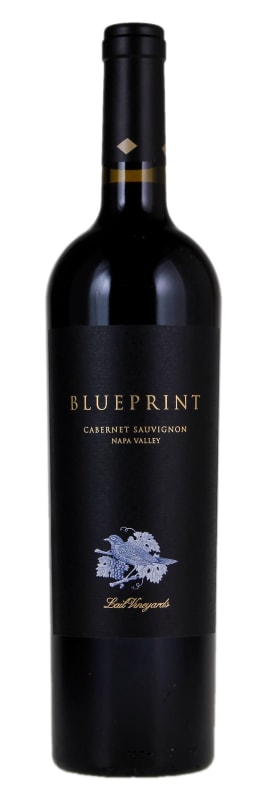


Winemaker Notes
Professional Ratings
-
Wine Enthusiast
From a range of sites and expertly blended by Philippe Melka and his team, this wine has 5% Petit Verdot and spent 18 months in French oak, half of it new. Black olive, pencil shaving, sage and cedar provide a savory context against which concentrated black cherry and plum play. Coffee makes an appearance on the finish. Enjoy 2028–2035. Cellar Selection.
-
Jeb Dunnuck
As with the whites, the 2018 Cabernet Sauvignon Blueprint is a larger production release that sports a dense purple color as well as classic Cabernet notes of blue and black fruits, green tobacco, graphite, and spring flowers. With a more fruit-forward style, it's still rich, medium to full-bodied, has classy tannins, and is a seriously good bottle of wine.
-
James Suckling
Medium-to full-bodied with notes of dark fruit, berries, fresh herbs, menthol and ink. The palate is savory and dry with an ink feel and firm tannins that will be benefit from aging. Long,elegant finish. Try after 2024.
-
Connoisseurs' Guide
A good and gutsy young Cabernet Sauvignon that is unsparing in very deep fruit and lavishly decked out in sweet oak without ever losing its very sure fruity bearings, Lail’s latest Blueprint flirts for now with a tempting bit of succulence, while it admittedly already offers a tantalizing look at the complexity and layering that mark eminently collectable Cabernets, it is also, as serious versions are wont to be, a wine that belongs in the cellar and not on the table for a good many years. Waiting for another halfdecade is sure to bring manifold rewards, and waiting for another after that will bring even more.
-
Robert Parker's Wine Advocate
Composed of 95% Cabernet Sauvignon and 5% Petit Verdot, the 2018 Cabernet Sauvignon Blueprint was aged 18 months in French oak (50% new). Deep garnet-purple in color, it delivers intense, wonderfully pure notes of crushed black currants, blackberries and black raspberries with suggestions of candied violets, charcoal and tobacco leaf with a waft of bay leaves. The medium to full-bodied palate is packed with crunchy black berry flavors, supported by approachable, grainy tannins and lovely freshness, finishing long and fruity.


One of the most prestigious wines of the world capable of great power and grace, Napa Valley Cabernet is a leading force in the world of fine, famous, collectible red wine. Today the Napa Valley and Cabernet Sauvignon are so intrinsically linked that it is difficult to discuss one without the other. But it wasn’t until the 1970s that this marriage came to light; sudden international recognition rained upon Napa with the victory of the Stag’s Leap Wine Cellars 1973 Cabernet Sauvignon in the 1976 Judgement of Paris.
Cabernet Sauvignon undoubtedly dominates Napa Valley today, covering half of the land under vine, commanding the highest prices per ton and earning the most critical acclaim. Cabernet Sauvignon’s structure, acidity, capacity to thrive in multiple environs and ability to express nuances of vintage make it perfect for Napa Valley where incredible soil and geographical diversity are found and the climate is perfect for grape growing. Within the Napa Valley lie many smaller sub-AVAs that express specific characteristics based on situation, slope and soil—as a perfect example, Rutherford’s famous dust or Stags Leap District's tart cherry flavors.